

Losing a tooth can significantly impact your confidence, your ability to chew, and your overall oral health. For many years, the primary solutions were bridges and dentures. Today, dental implants have become a popular and effective option for tooth replacement.
They offer a permanent solution that looks and feels like a natural tooth. However, they are not the right choice for everyone. Understanding the advantages and disadvantages is crucial before making a decision.
The Advantages of Dental Implants
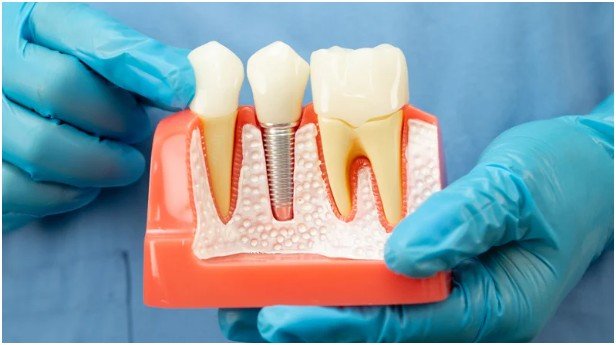
Dental implants provide numerous benefits that make them the preferred choice for many patients and dental professionals. They are designed to be a long-term solution that closely mimics natural teeth and natural smile.
Superior Durability and Functionality
One of the greatest pros of dental implants is their durability. Made from titanium, a material that fuses with the jawbone, an implant creates a strong and stable foundation for a replacement tooth. This process, known as osseointegration, allows the implant to function just like a natural tooth root.
You can eat your favorite foods without worrying about slippage or discomfort, which is a common issue with traditional dentures. With proper care, implants can last a lifetime.
Preservation of Jawbone and Facial Structure
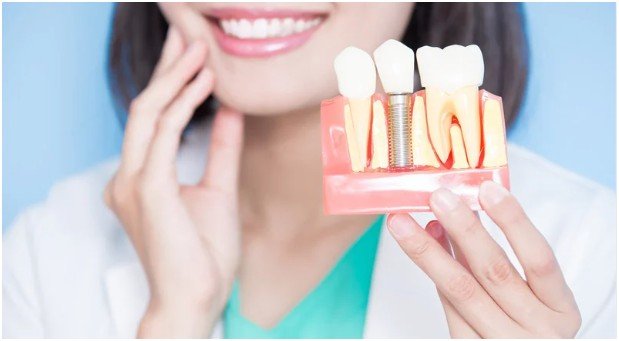
When you lose a tooth, the underlying jawbone begins to deteriorate due to lack of stimulation. This bone loss can alter your facial structure over time, leading to a sunken appearance. Dental implants are the only tooth replacement option that stimulates the jawbone, helping to maintain its density and strength.
By preserving the bone, implants help support your facial features and maintain a more youthful look. They also do not require altering adjacent healthy teeth, which is necessary when placing a dental bridge.
Enhanced Appearance and Confidence
Dental implants are crafted to match the color, shape, and size of your surrounding natural teeth. They blend in seamlessly, making it nearly impossible for anyone to tell you have a replacement tooth.
This realistic appearance can provide a significant boost to your self-esteem. You can smile, speak, and eat with renewed confidence, free from the concerns that often accompany removable dentures.
The Disadvantages of Dental Implants
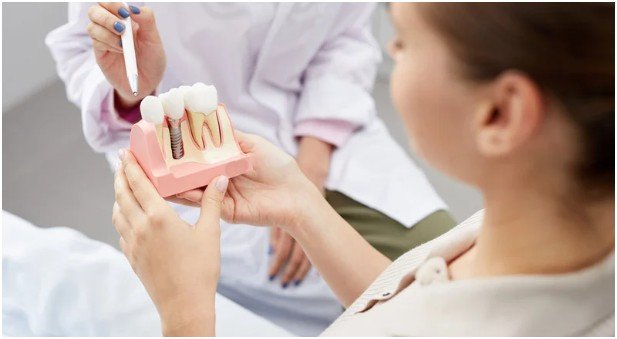
Despite their many benefits, dental implants come with a few drawbacks that you should consider. These factors can influence whether they are a suitable option for your specific situation.
The Surgical Process and Healing Time
Getting a dental implant involves a surgical procedure. The process typically requires multiple appointments over several months. After the implant post is placed in the jawbone, it needs time to fuse with the bone before the final crown can be attached.
This healing period can take anywhere from three to six months. Like any surgery, there are risks such as infection, nerve damage, or sinus problems if implants are placed in the upper jaw. Candidates must be in good general and oral health to undergo the procedure successfully.
The Financial Investment
The cost is a significant factor for many people. Dental implants are a more expensive tooth replacement option upfront compared to bridges or dentures. The price can vary widely based on several factors, including the number of implants needed, the materials used, and your geographic location.
For example, the dental implants cost in Schererville IN may differ from that in a major metropolitan city. While many see it as a worthwhile long-term investment, the initial expense can be a substantial barrier.
Not Suitable for Everyone
Not everyone is an ideal candidate for dental implants. Successful implantation requires sufficient jawbone density to support the implant post. Patients who have experienced significant bone loss may need a bone graft before they can proceed, which adds complexity and cost to the treatment.
Additionally, chronic illnesses like diabetes or autoimmune diseases can affect the healing process. Heavy smoking can also increase the risk of implant failure. A thorough evaluation by a dental professional is necessary to determine your eligibility.
Making the Right Choice for Your Smile
Deciding whether dental implants are right for you involves weighing these pros and cons carefully. Consider your oral health, budget, and long-term goals.
Speak with your dentist to get a complete evaluation of your situation. They can provide personalized recommendations based on your unique needs.
While the process requires a commitment of time and money, the lasting benefits of a restored, functional, and beautiful smile make dental implants an excellent choice for many individuals.