
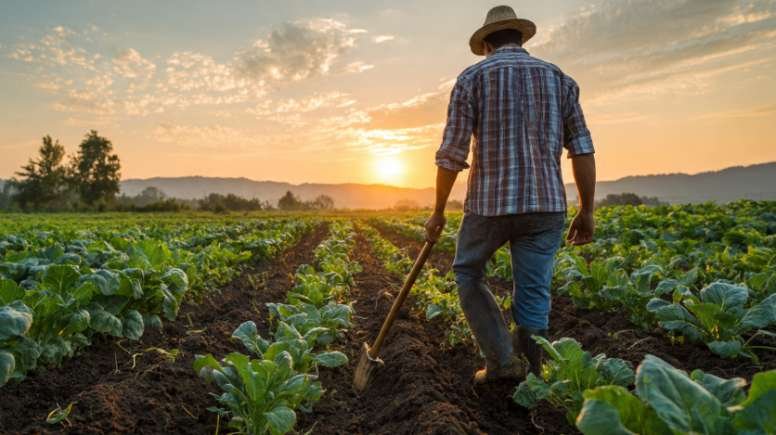
Agriculture remains one of the most vital industries in the world, feeding populations and sustaining economies. Yet behind every successful farm or agribusiness lies a combination of essential tools, practices, and strategies that keep operations running smoothly. Whether you manage a small family farm or a large commercial operation, understanding these essentials can make the difference between survival and long-term success.
1. Healthy Soil Management
At the heart of every productive farm is healthy soil. Soil is more than just dirt—it is a living ecosystem that supports plant growth. Farmers must prioritize soil testing, crop rotation, and organic matter enrichment to maintain fertility. Without balanced soil nutrients, even the best seeds and equipment will underperform. Sustainable soil management ensures consistent yields and long-term productivity.
2. Reliable Water Systems
Water is another critical resource in agriculture. Efficient irrigation systems such as drip irrigation or pivot systems help conserve water while ensuring crops receive adequate hydration. In some regions, access to groundwater is essential, making services like well drilling in Utah an important part of agricultural development. Proper water management not only boosts crop health but also reduces operational costs.
3. Modern Farming Equipment

Technology and machinery have transformed agriculture. Tractors, harvesters, seeders, and automated irrigation systems significantly increase efficiency and reduce labor demands. Investing in reliable equipment minimizes downtime and improves productivity. Regular maintenance is equally important to avoid costly breakdowns during peak seasons.
4. Quality Seeds and Inputs

The foundation of any crop-based business begins with high-quality seeds. Farmers should choose varieties suited to their climate, soil type, and market demand. Fertilizers, pesticides, and organic alternatives must also be carefully selected to ensure optimal plant growth without harming the environment.
5. Skilled Labor and Training
Even with advanced technology, human expertise remains irreplaceable. Skilled farm workers who understand planting cycles, machinery operation, and livestock care contribute significantly to farm success. Continuous training programs help workers stay updated on best practices and safety standards.
6. Financial Planning and Risk Management
Agriculture is heavily influenced by unpredictable factors such as weather, pests, and market fluctuations. Effective financial planning helps farmers prepare for uncertainties. Budgeting, insurance coverage, and diversification of crops or livestock are key strategies to reduce risk and maintain stability.
7. Sustainable Practices
Modern agricultural success increasingly depends on sustainability. Practices such as crop rotation, reduced chemical usage, water conservation, and renewable energy integration help preserve natural resources. Sustainable farming not only protects the environment but also enhances long-term profitability by maintaining soil and ecosystem health.
8. Market Access and Distribution
Producing crops is only half the challenge; getting them to market is equally important. Farmers must develop strong distribution channels, whether through local markets, cooperatives, or direct-to-consumer sales. Understanding consumer demand and pricing trends helps maximize profits.
9. Data and Technology Integration
Digital tools such as farm management software, satellite imaging, and weather forecasting apps are becoming essential in modern agriculture. These technologies allow farmers to make informed decisions, optimize resource use, and improve yields with greater precision.
10. Bonus: Biosecurity and Climate Resilience
In today’s agricultural landscape, biosecurity and climate resilience have become increasingly important. Farms face threats from invasive pests, plant diseases, and extreme weather events that can significantly reduce productivity. Implementing strong biosecurity measures—such as controlled farm access, proper sanitation of equipment, and regular health monitoring of crops and livestock—helps prevent outbreaks.
At the same time, climate resilience strategies like drought-resistant crop varieties, improved drainage systems, and weather-adaptive planning ensure farms can withstand environmental changes. Investing in early warning systems and diversified production further strengthens stability.
By preparing for both biological and environmental risks, farmers protect not only their yields but also the long-term sustainability of their operations in an unpredictable world.
In Conclusion
Agricultural success is not built on a single factor but on a combination of essential elements working together. From soil health and water management to technology and financial planning, each component plays a vital role.
Farmers who invest in these fundamentals position themselves for long-term resilience and growth in an ever-changing industry. Adaptation and continuous learning will also be crucial as global agriculture evolves with new technologies and shifting climate patterns.
In addition to maintaining a healthy environment for crops, it’s equally important to ensure your home and surroundings are safe from environmental triggers like mold. Learn more about why mold appears and environmental household triggers to keep your farming operations and living spaces safe from potential hazards.