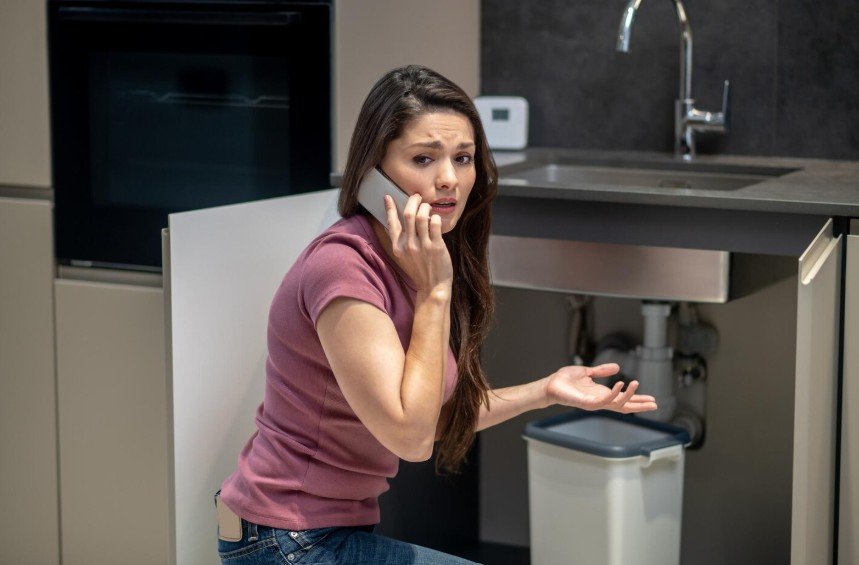

It is the scenario every homeowner dreads. You wake up in the middle of a freezing January night, not because of a noise, but because of the silence. The gentle hum of the furnace or the boiler has stopped, and the air inside your bedroom feels uncomfortably crisp. You pull the covers up, hoping it’s just a temporary cycle, but deep down, you know the heat is gone.
Heating failures rarely happen at convenient times. They seem to prefer holidays, weekends, or the coldest nights of the year. When the mercury drops, a broken heating system isn’t just an inconvenience; it is a genuine emergency. Your home is your sanctuary against the elements, and when that barrier fails, the safety of your family and the integrity of your home are at risk.
Understanding emergency heat recovery is about more than just knowing who to call. It is about knowing how to mitigate damage, stay safe, and make smart decisions under pressure.
Why Speed Matters: The Risks of No Heat

When your heating system fails during a severe cold snap, the temperature inside your home can drop rapidly. This creates two primary categories of risk: health and structural.
Health Concerns
For healthy adults, a cold house is miserable. For young children, the elderly, or those with compromised immune systems, it can be dangerous.
Hypothermia doesn’t only happen outdoors; it can occur indoors if temperatures drop low enough and individuals are not properly dressed or insulated. The stress of the cold can also aggravate respiratory conditions and cardiovascular issues.
Structural Damage
Your house suffers in the cold, too. The most immediate and expensive threat is frozen pipes. When water freezes, it expands with tremendous force.
This can cause pipes to burst, leading to catastrophic water damage once the ice thaws. Recovering from a heating failure is often cheaper and faster than recovering from a flooded basement caused by a burst pipe.
Signs You Need Emergency Service
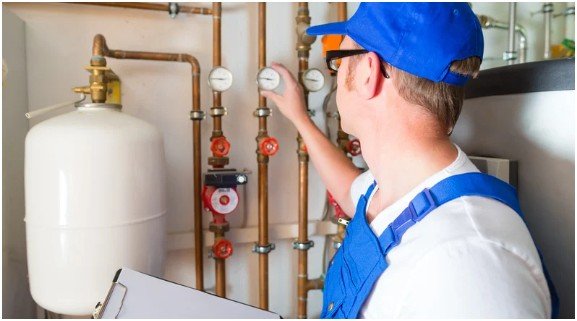
Sometimes the heat goes out all at once. Other times, your system gives you a warning. Recognizing these signs can be the difference between a scheduled repair and a 2:00 AM emergency call.
- Strange Noises: Furnaces and boilers should be relatively quiet. Banging, clanking, or high-pitched squealing usually indicates a mechanical failure is imminent.
- Rapid Cycling: If your heater turns on and off frequently without ever reaching the set temperature, it is “short cycling.” This puts immense stress on the components and often leads to burnout.
- Yellow Pilot Light: If you have a gas furnace, the flame should be blue. A yellow flame indicates incomplete combustion, which could mean a carbon monoxide leak. If you see this, turn it off and evacuate immediately.
- Uneven Heating: If some rooms are freezing while others are sweltering, your system is struggling to distribute heat, indicating a potential blockage or ductwork failure.
Immediate Steps to Take When the Heat Dies
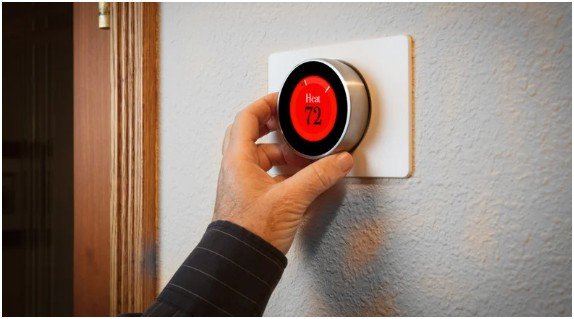
Before you panic, take a few troubleshooting steps restore indoor comfort in cold winter. You might save yourself an expensive service call fee.
- Check the Thermostat: It sounds obvious, but ensure it is set to “Heat” and the fan is on “Auto.” Sometimes batteries die, or settings get bumped.
- Check the Breaker: A power surge might have tripped the circuit breaker connected to your HVAC system. Flip it off and back on.
- Check the Filter: A severely clogged filter can cause a furnace to overheat and shut down as a safety precaution.
If these steps don’t work, it is time to implement your emergency plan. Call your HVAC professional immediately. While you wait, focus on heat retention.
Keep all doors and windows closed. Gather the family into one central room—ideally one with sunlight during the day—and close off the rest of the house. Use towels to block drafts under doors.
Staying Safe While Waiting for Help
If you must use alternative heating sources while waiting for repairs, safety is paramount. Space heaters are a common solution, but they are also a leading cause of house fires. Never plug a space heater into an extension cord, and keep it at least three feet away from anything flammable, like curtains or bedding.
Never, under any circumstances, use a gas stove or oven to heat your home. This creates a severe risk of carbon monoxide poisoning. If you have a wood-burning fireplace, this is its time to shine, but ensure the flue is open and the chimney is clear.
Repair vs. Replacement: Making the Hard Call
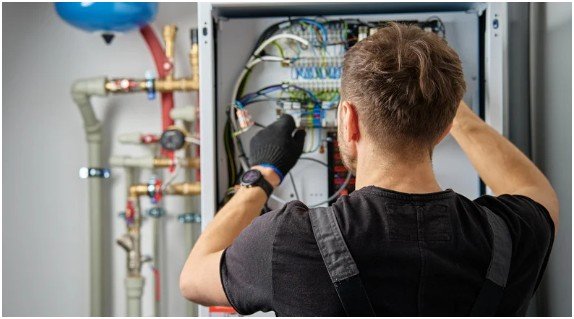
Once the technician arrives, they will diagnose the issue. In an emergency scenario, the goal is often “heat recovery”—getting the system running again to ensure safety. However, a quick fix isn’t always the best long-term solution.
If your system is over 15 years old and requires expensive parts, you might be throwing good money after bad. The technician might recommend a replacement. While this is a significant investment, a modern system offers better efficiency and reliability. For homeowners in areas with harsh winters, this reliability is non-negotiable.
For example, if you live in a region with heavy snowfall and freezing temperatures, you need a system that can keep up. If your current unit is constantly breaking down, it might be time to look into a new boiler installation in Park City or your local area to ensure your home can handle the next blizzard without skipping a beat.
Stay Warm and Safe This Winter
Winter storms are unpredictable, but the reliability of your heating system shouldn’t be. Emergency heat recovery services exist to be your safety net when mechanical systems fail, but the best defense is always a good offense.
Regular maintenance—checking filters, scheduling annual tune-ups, and listening to your system—can prevent most midnight emergencies. But if the worst happens, stay calm.
Prioritize safety, preserve the heat you have, and rely on certified professionals to restore warmth to your home. Don’t wait until the first frost to think about your furnace; a little preparation now ensures a cozy, safe winter for everyone.