
Understanding the difference between secured and unsecured loans is key when seeking financing, as it impacts your interest rate, repayment terms, and financial risk. Whether you’re buying a home, consolidating debt, or covering an emergency, the loan type you choose shapes your financial flexibility.
What Is a Secured Loan?
A secured loan is a type of credit that is backed by an asset. This asset, known as collateral, acts as a security measure for the lender. If you default on the loan—meaning you fail to make payments as agreed—the lender has the legal right to seize the collateral to recoup their losses.
Because the lender has a safety net, secured loans are generally considered less risky for financial institutions. This lower risk often translates into more favorable terms for the borrower, such as lower interest rates or higher borrowing limits.
Common examples of secured loans include:
- Mortgages: The home itself serves as collateral.
- Auto Loans: The vehicle you are purchasing secures the loan.
- Secured Credit Cards: A cash deposit acts as collateral against the credit limit.
- Home Equity Lines of Credit (HELOCs): Your home equity secures the revolving credit line.
What Is an Unsecured Loan?
An unsecured loan is a loan that does not require any physical asset to back it up. Instead of relying on collateral, lenders approve these loans based on the borrower’s creditworthiness. They look at your credit score, income, debt-to-income ratio, and repayment history to determine if you are a reliable candidate.
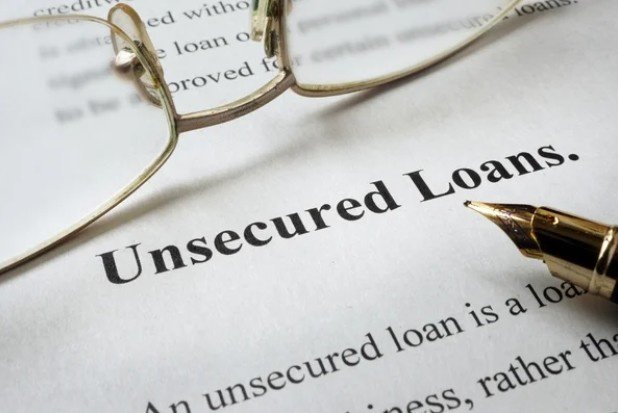
Since there is no asset to seize if you default, unsecured loans represent a higher risk for lenders. To offset this risk, these loans typically come with higher interest rates and stricter eligibility requirements compared to their secured counterparts.
Common examples of unsecured loans include:
- Personal Loans: Used for debt consolidation, medical bills, or major purchases.
- Student Loans: Federal and private loans used for education expenses.
- Credit Cards: Most standard credit cards are unsecured.
- Personal Lines of Credit: A revolving credit limit based on credit history.
Key Differences At a Glance
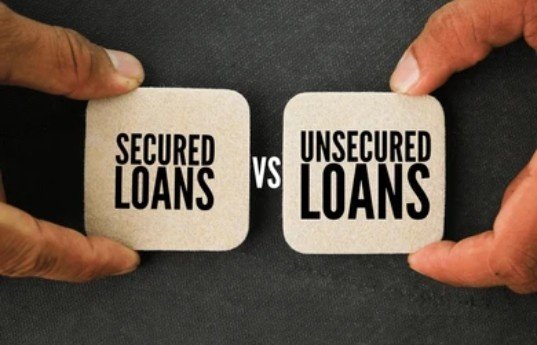
While the primary difference lies in the requirement of collateral, several other factors set these two loan types apart:
- Collateral: Secured loans require an asset; unsecured loans do not.
- Interest Rates: Secured loans generally offer lower rates due to lower lender risk. Unsecured loans usually carry higher rates.
- Borrowing Limits: You can typically borrow larger amounts with secured loans (like a mortgage) than with unsecured options.
- Approval Process: Unsecured loans often have a faster approval process since there is no need to appraise an asset.
- Credit Score Impact: Both affect your credit score, but defaulting on a secured loan results in asset loss and credit damage, whereas defaulting on an unsecured loan primarily damages your credit and may lead to a lawsuit or wage garnishment.
The Pros and Cons of Secured Loans
Before committing your assets, it is vital to understand the benefits and potential downsides of secured financing.
Pros
- Lower Interest Rates: Because the lender has collateral, they are often willing to offer significantly lower APRs.
- Easier Qualification: Borrowers with lower credit scores may find it easier to get approved for a secured loan because the collateral reduces the lender’s risk.
- Higher Loan Limits: If you need a substantial amount of money (e.g., for buying a house), secured loans are often the only option that provides sufficient funds.
- Longer Repayment Terms: Lenders are often willing to extend repayment periods, which can lower monthly payments.
Cons
- Risk of Asset Loss: The biggest drawback is that if you fall behind on payments, you could lose your home, car, or savings.
- Slower Application Process: Valuing the collateral (like a home appraisal) takes time, delaying the release of funds.
- Restrictions on Asset Use: You may not be able to sell or significantly alter the collateral until the loan is paid off.
The Pros and Cons of Unsecured Loans
Unsecured loans offer flexibility and speed, but they come at a cost.
Pros
- No Risk to Assets: You don’t have to pledge your home or car. If you default, your credit will suffer, but the lender cannot immediately seize your property without a court order.
- Faster Funding: Without the need for appraisals, approval and funding can happen quickly—sometimes within 24 hours. This includes various online personal loan services like those offered in Missouri or through major national banks.
- Flexibility: Funds from unsecured personal loans can typically be used for almost any purpose.
Cons
- Higher Interest Rates: Without collateral, lenders charge more to mitigate their risk.
- Stricter Credit Requirements: You generally need a good to excellent credit score to qualify for the most competitive rates.
- Lower Borrowing Limits: Lenders typically cap unsecured loans at lower amounts compared to secured loans.
Factors to Consider When Choosing a Loan Type
Making the right choice depends on your specific financial situation. Here are the main factors to weigh:
1. Your Credit Score
If your credit score is excellent (720+), you may qualify for an unsecured loan with a rate that rivals secured options. If your credit needs work, a secured loan might be your best path to approval and a manageable interest rate.
2. The Purpose of the Loan
What are you buying? If you are purchasing a specific asset, like a car or a house, a secured loan is standard. If you are looking to consolidate credit card debt or pay for a wedding, an unsecured personal loan is usually more appropriate.
3. Repayment Timeline
Consider how long you need to pay back the funds. Secured loans often allow for repayment over 15 to 30 years (for mortgages). Unsecured loans typically have shorter terms, usually ranging from two to seven years.
4. Risk Tolerance
Ask yourself: Can I afford to lose the collateral? If losing your car would mean losing your job because you can’t get to work, securing a loan with your vehicle carries a very high operational risk for your life.
Who Are Secured Loans Best For?
Secured loans are generally the best fit for individuals who:
- Are making a large purchase (home, land, vehicle).
- Need to rebuild their credit score (via a secured credit card or builder loan).
- Want the lowest possible interest rate and are confident in their ability to repay.
- Have valuable assets but a less-than-perfect credit history.
Who Are Unsecured Loans Best For?
Unsecured loans are typically ideal for individuals who:
- Need money quickly for emergencies or time-sensitive expenses.
- Do not own significant assets or do not want to risk the assets they do own.
- Have a strong credit history and stable income.
- Are looking to consolidate high-interest debt into a single, fixed payment.
Conclusion
Choosing between secured and unsecured loans comes down to your personal financial situation. Secured loans are more affordable and accessible but require you to risk your assets as collateral. Unsecured loans are faster and protect your assets but come with higher borrowing costs and require a better credit history.