
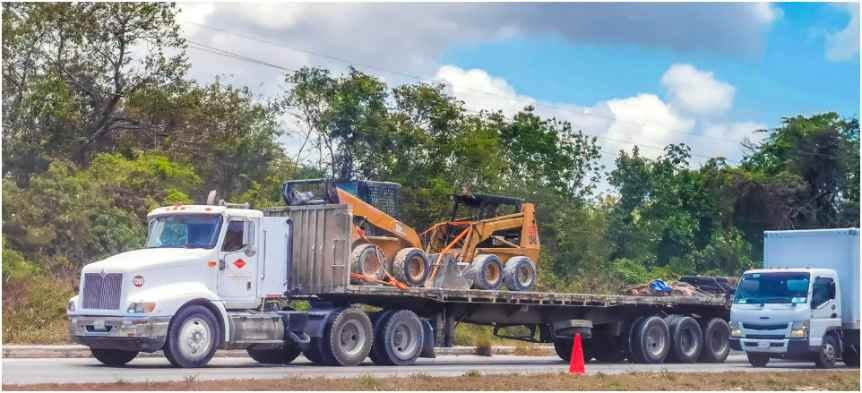
Transporting heavy equipment is a complex process that requires careful planning and specialized knowledge. Unlike standard freight, moving large machinery involves unique challenges, from selecting the right transport vehicle to navigating a web of regulations.
For anyone new to this field, understanding the fundamentals is crucial for a successful and safe shipment. This guide provides a foundational overview of heavy equipment shipping to help you navigate the process with confidence.
Understanding the Basics of Heavy Haul
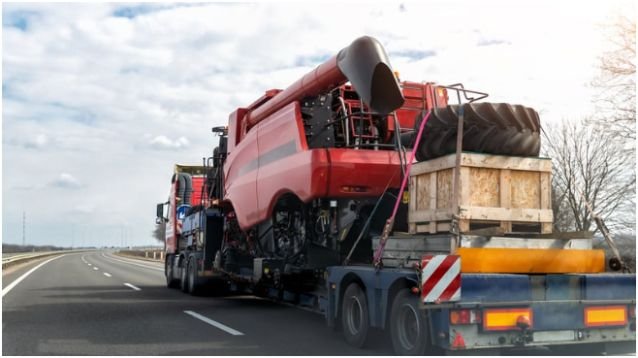
Heavy equipment shipping, often called heavy haul or oversized load transport, refers to moving machinery that exceeds standard legal dimensions and weight limits.
This can include anything from construction vehicles like excavators and bulldozers to agricultural machinery and industrial components. The process is far more involved than simply loading an item onto a truck; it demands meticulous coordination and adherence to strict safety protocols.
Key Considerations Before Shipping
Before you can move your equipment, you need to gather specific information. The first step is to know the exact dimensions and weight of your machinery.
- Dimensions: Measure the height, width, and length of the equipment. Be precise, as these measurements determine the type of trailer needed and the route that can be taken.
- Weight: The gross weight of the equipment is critical for compliance with road and bridge limits.
- Manuals: Have the manufacturer’s manual on hand. It often contains specific instructions for transport, including tie-down points and components that may need to be disassembled.
Choosing the Right Type of Trailer
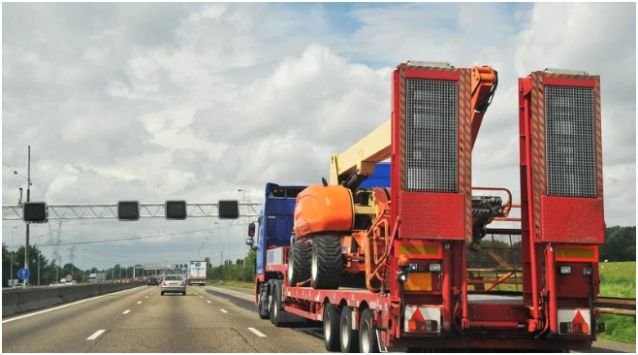
The type of trailer used is one of the most important decisions in the shipping process. The choice depends entirely on the size, shape, and weight of your equipment. A professional shipping partner can help you determine the best option, but it is helpful to be familiar with the common types.
Common Trailer Options
- Flatbed Trailers: These are the most common and versatile trailers. They are suitable for loads that are not overly tall or wide and can be loaded from the side, top, or rear.
- Step-Deck Trailers: Also known as drop-decks, these trailers have a lower main deck, which allows for transporting taller equipment without exceeding height restrictions.
- Removable Gooseneck (RGN) Trailers: RGNs are designed for hauling the tallest and heaviest loads. The front of the trailer can be detached, creating a ramp that allows equipment to be driven directly onto the deck. This is ideal for machinery like pavers and combines.
- Lowboy Trailers: Similar to RGNs, lowboy trailers sit very close to the ground, making them perfect for extremely tall and heavy cargo.
Selecting the right equipment is essential. For instance, securing a durable gooseneck flatbed trailer in Utah might be the ideal solution for moving a mid-sized excavator across the state, providing both stability and appropriate capacity.
Navigating Permits and Regulations
Shipping oversized loads is governed by a complex set of federal, state, and local regulations. Failure to comply can result in significant fines and delays. Each state has its own rules regarding maximum dimensions, weight limits, and required travel times.
Permitting Process
Any load that exceeds standard legal limits will require a special permit. Your transportation provider will typically handle the acquisition of these permits.
The process involves submitting detailed information about the load and the proposed route to the relevant Department of Transportation. Some loads may also require pilot cars or escort vehicles to ensure safety on the road, especially when navigating tight turns or busy highways.
Preparing Your Equipment for Transport
Properly preparing your equipment is vital for preventing damage during transit and ensuring the safety of everyone involved.
Pre-Shipment Checklist
- Clean the Equipment: Remove all dirt, mud, and debris. This provides a clear view for inspection and prevents loose material from falling off during transport.
- Secure Loose Parts: Latch and secure all doors, covers, and articulated sections. If any components can be easily removed, such as buckets or blades, consider shipping them separately.
- Fluid Levels: Check for any fluid leaks and address them. In some cases, you may need to drain fluids like fuel or hydraulics to reduce weight and fire hazards.
- Protect Vulnerable Components: Cover any sensitive parts, like exhaust stacks or electronic controls, to protect them from the elements.
- Document Condition: Take detailed photos of the equipment from all angles before it is loaded. This documentation is crucial for insurance purposes in the unlikely event of damage.
Shipping heavy construction equipment for storage can seem daunting, but breaking it down into manageable steps makes it achievable. By understanding your equipment’s specifications, selecting the appropriate trailer, and preparing the machinery correctly, you can ensure a smooth and secure transport process.