

Owning a home is a bit like running a small corporation. You are the CEO, the janitor, and the head of maintenance all rolled into one. While it’s easy to focus on the cosmetic upgrades—a fresh coat of paint here, new landscaping there—the true health of your property lies in the systems you don’t see every day.
When these invisible networks fail, they don’t just cause a minor inconvenience; they can lead to catastrophic damage that costs thousands of dollars to repair. Water damage, structural issues, and electrical fires are often the result of small problems that were left unattended for too long.
The key to preserving your property’s value isn’t just about renovation; it’s about prevention. By keeping a close eye on the “boring” stuff, you can avoid the nightmare scenarios that keep homeowners up at night. Here are six crucial systems that often get overlooked but demand your attention.
1. The Gutter and Downspout System
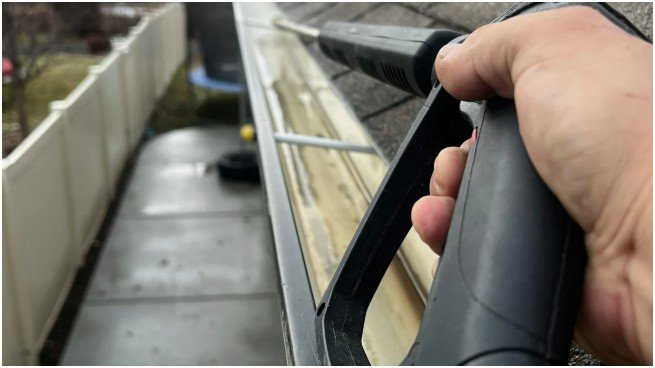
It is easy to forget about your gutters until you see a miniature waterfall cascading over the side of your roof during a storm. However, gutters are your home’s first line of defense against water damage. Their primary job is to divert rainwater away from your foundation.
When gutters clog with leaves, twigs, and debris, water has nowhere to go but up and over. This overflow can rot your fascia boards, damage your siding, and, most critically, pool around your foundation. Over time, this excess moisture can cause cracks in the foundation, leading to basement flooding and structural instability.
Maintenance Tip: Clean your gutters at least twice a year—once in the spring and once in the fall. Check that downspouts extend at least five feet away from the house to ensure water is moving far enough away from the foundation.
2. The Septic System
For homes not connected to a municipal sewer line, the septic system is the unsung hero of daily life. Because it is buried underground, it is the definition of “out of sight, out of mind.” Unfortunately, neglecting this system is one of the messiest and most expensive mistakes a homeowner can make.
A failing septic system can lead to sewage backing up into your drains, lush green patches of grass (a sign of leaking sewage), and foul odors in your yard. The solids in the tank need to be removed regularly to prevent them from clogging the drain field. If the drain field fails, you are looking at a massive excavation project.
Maintenance Tip: Have your system inspected every three years. Even if you are in new homes designed for Utah County, scheduling regular septic tank pumping in Spanish Fork is essential to keep things running smoothly and avoid a hazardous backyard disaster.
3. The HVAC Ductwork
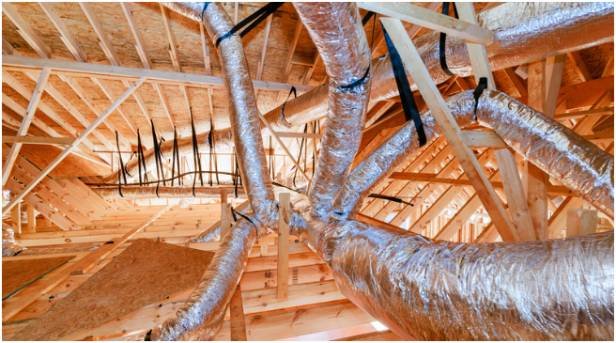
You likely change your air filters (hopefully), but when was the last time you thought about the ducts themselves? Leaky or dirty ductwork is a silent energy thief and a potential hazard to your home’s air quality.
Over time, ducts can develop gaps or disconnect entirely. This forces your HVAC system to work overtime, pumping conditioned air into your attic or crawlspace rather than your living room.
Furthermore, neglected ducts can accumulate massive amounts of dust, mold, and allergens, which are then circulated throughout your home every time the fan kicks on. In severe cases, moisture buildup in ducts can lead to mold growth that requires professional remediation.
Maintenance Tip: Schedule a professional duct cleaning and inspection every 3 to 5 years. Ask the technician to seal any leaks they find to improve energy efficiency immediately.
4. The Sump Pump
The sump pump is a fail-safe device designed to protect your basement from flooding. It sits quietly in a pit, waiting for the water table to rise or for a heavy storm to strike. The problem is that you won’t know it’s broken until you actually need it—and by then, your basement is already underwater.
Common reasons for failure include power outages, stuck switches, or simply old age. A flooded basement can destroy flooring, ruin drywall, and destroy personal possessions, not to mention the risk of mold growth that follows water intrusion.
Maintenance Tip: Test your sump pump every quarter by pouring a bucket of water into the pit to ensure the float rises and triggers the pump. Consider installing a battery backup system so the pump continues to work even if the power goes out during a storm.
5. The Water Heater
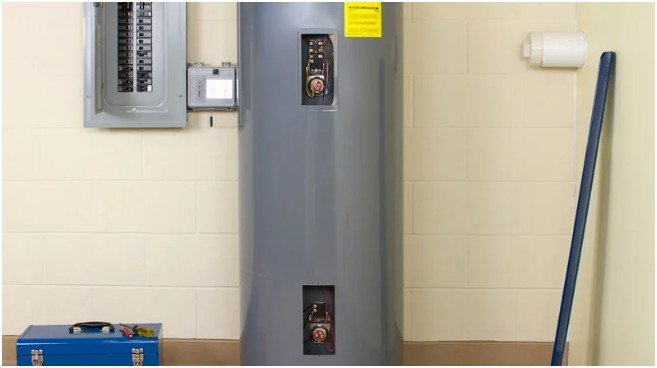
We rely on hot water for showers, laundry, and dishes, yet the water heater is often ignored until the shower runs cold. Traditional tank-style water heaters are prone to sediment buildup. Minerals in the water settle at the bottom of the tank, creating a layer of sludge.
This sediment layer acts as an insulator between the burner and the water, forcing the heater to run longer to reach the desired temperature. This not only wastes energy but can also overheat the tank bottom, leading to cracks and leaks. A burst water heater can release 40 to 50 gallons of water into your home in minutes.
Maintenance Tip: Flush your water heater once a year to remove sediment. Also, check the anode rod (a sacrificial metal rod that prevents the tank from rusting) every two years and replace it if it is corroded.
6. Attic Ventilation and Insulation
Your attic ecosystem plays a massive role in the health of your roof. Proper ventilation allows heat and moisture to escape. Without it, heat builds up in the summer, cooking your shingles from the bottom up and shortening their lifespan.
In the winter, poor ventilation combined with inadequate insulation can lead to ice dams. This happens when heat escapes the living space, melts the snow on the roof, and the water refreezes at the eaves. This ice barrier forces water under the shingles and into your home.
Maintenance Tip: Inspect your attic annually. Look for signs of moisture on the underside of the roof sheathing (like dark spots or rust on nails). Ensure your insulation isn’t blocking the soffit vents, which are crucial for air intake.
Protect Your Investment
Your home is a complex machine with many moving parts. While it is tempting to focus on the visible aesthetics, the longevity of your property depends on the health of these hidden systems.
Ignoring them doesn’t save time or money; it simply defers maintenance until it becomes a crisis. By adding these six systems to your regular checklist, you can catch issues early, extend the lifespan of your home’s components, and save yourself from the stress of emergency repairs.
Whether it’s clearing the gutters or arranging for septic tank pumping in Spanish Fork, a little proactive care goes a long way toward protecting your biggest investment.