
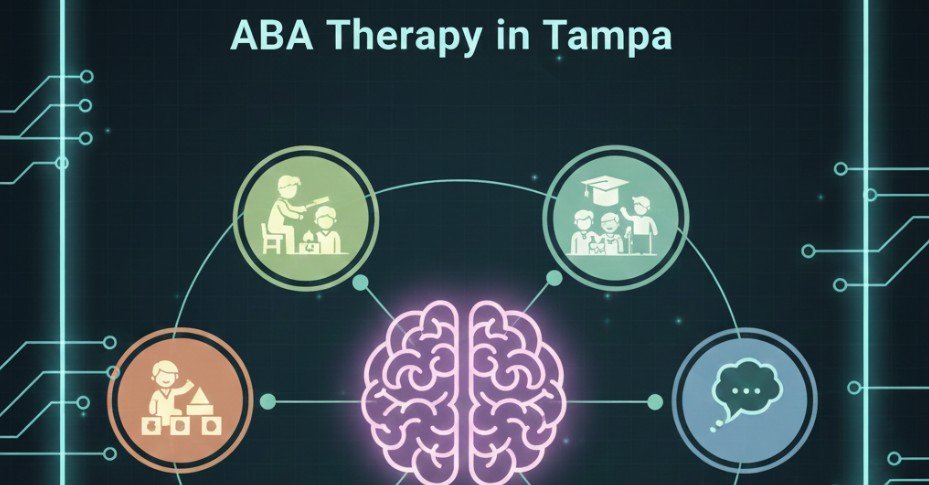
As a behavioral therapy specialist who has seen hundreds of families transform their daily lives, I can confidently say that ABA therapy is one of the most effective paths to long-term independence for children. And when we ask the central question—How does ABA therapy in Tampa promote lasting independence for children?—the answer lies in a blend of structured teaching, positive reinforcement, and personalized life-skill development that helps children grow beyond therapy sessions.
Tampa is home to a growing number of experienced ABA providers who use evidence-based strategies to help children master self-care, communication, social interaction, and problem-solving. These skills don’t just improve the present—they prepare children for lifelong independence.
Below, I’ll break down exactly how ABA works, what makes Tampa’s approach unique, and how these strategies build confidence, capability, and long-term self-reliance.
Why Independence Matters in Childhood Development
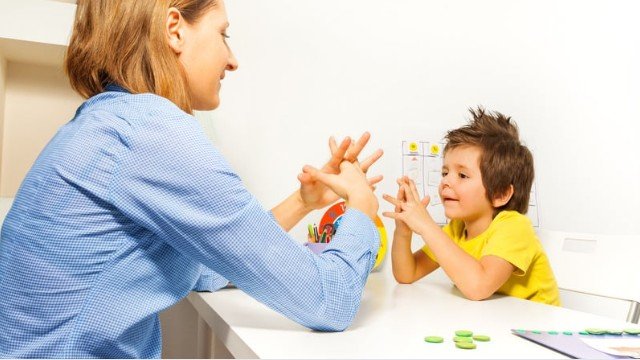
Independence is more than performing tasks alone—it’s the foundation for confidence, emotional regulation, and problem-solving throughout life.
For many children, especially those with autism or developmental delays, independence must be taught in small, structured steps. ABA therapy excels in this area because it focuses on teaching practical, functional skills that children can use every day.
Whether it’s brushing teeth, tying shoes, cleaning up toys, or managing emotions during stressful moments, independence gives children a sense of control and dignity. ABA therapy ensures they build these abilities at a pace that feels achievable and empowering.
How ABA Builds Independence: The Core Strategies
Breaking Down Skills with Task Analysis
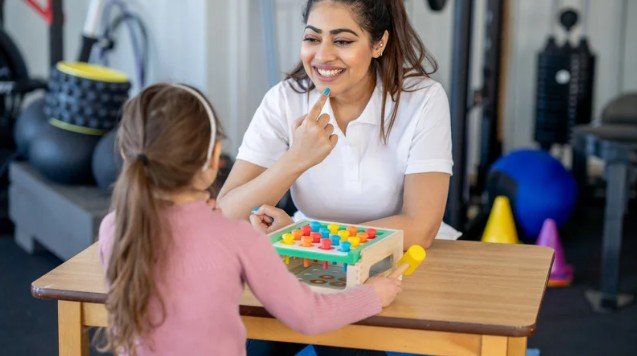
ABA therapists start by breaking big tasks into small, manageable steps. This method, called task analysis, makes skills easier to learn and less overwhelming.
For example:
- Brushing teeth becomes: pick up toothbrush → apply toothpaste → brush top teeth → brush bottom teeth → rinse.
- Getting dressed becomes: choose clothes → put on shirt → pull it down → button or zip → put on pants → pull to waist.
Children learn one step at a time, which builds momentum and confidence. Over time, these steps combine into a fully independent routine.
Building Confidence with Positive Reinforcement
Positive reinforcement is the heart of ABA therapy. When a child succeeds at a step—no matter how small—they receive praise or a reward. This makes learning both fun and motivating.
Reinforcement may include:
- Verbal praise
- Stickers or tokens
- Access to a favorite toy or activity
- High-fives
- Extra playtime
This method strengthens the desired behavior and helps children feel proud of their accomplishments. Over time, the reinforcement fades as independence becomes natural.
Fading Prompts to Encourage Self-Sufficiency
In the beginning, children may need help through:
- Verbal cues
- Physical guidance
- Visual supports
- Gesture prompts
ABA therapy gradually fades these prompts, allowing the child to perform tasks independently. This prevents over-reliance on guidance and builds true self-reliance—not just task completion with help.
Life Skills Children Learn Through ABA Therapy in Tampa

ABA programs in Tampa are highly individualized and target skills that matter most for daily life. The goal is always to prepare the child to participate more fully at home, school, and in the community.
Self-Care and Personal Hygiene
Therapists help children master essential routines such as:
- Brushing teeth
- Bathing
- Dressing
- Toileting
- Eating independently
These abilities reduce reliance on caregivers and contribute to daily confidence.
Household Routines and Chores
Children also learn practical home skills that prepare them for real-world living:
- Cleaning up toys
- Organizing items
- Carrying laundry
- Setting the table
- Helping with simple chores
Parents frequently report that their child becomes more engaged and responsible at home after consistent ABA practice.
Communication and Social Interaction
Communication is one of the strongest predictors of long-term independence. ABA supports:
- Making requests
- Using words, gestures, or AAC devices
- Taking turns
- Maintaining eye contact
- Engaging in conversations
- Understanding social norms
Improved communication reduces frustration and opens doors to meaningful social connections.
Community Navigation and Safety
In Tampa, many therapists incorporate real-life community practice, including:
- Walking safely across streets
- Staying with an adult in public spaces
- Grocery store routines
- Handling money
- Waiting in line
These skills empower children to engage confidently in the world beyond home and school.
Building Problem-Solving and Resilience
Developing Problem-Solving Skills
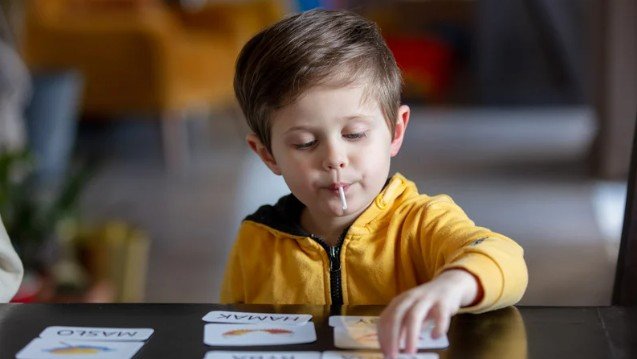
ABA therapy teaches children how to think through challenges rather than relying on others. Therapists create controlled scenarios such as:
- A favorite toy breaking
- A change in routine
- A missing item
- A puzzle that’s difficult to complete
Children learn to pause, think, and choose an appropriate response, skills essential for future independence.
Strengthening Cognitive Flexibility
Children sometimes struggle with unexpected changes. ABA therapy helps build flexibility by gradually introducing small adjustments and teaching coping strategies.
This improves:
- Transition skills
- Adaptability
- Emotional regulation
- Stress tolerance
The result is a child who can handle real-life surprises with more confidence and less anxiety.
Quick Comparison: How ABA Skills Support Independence
Below is a simplified table that shows how ABA components directly connect to independent functioning.
| ABA Strategy | What It Teaches | Long-Term Independence Benefit |
| Task Analysis | Completing multi-step routines | Mastery of daily life skills |
| Positive Reinforcement | Motivation and confidence | Consistent self-driven behavior |
| Prompt Fading | Performing tasks without help | Avoids dependency on caregivers |
| Self-Care Training | Hygiene, dressing, feeding | Personal independence at home |
| Communication Skills | Requesting, socializing | Reduced frustration, stronger relationships |
| Community Safety | Navigation, money skills | Increased real-world independence |
| Problem-Solving | Handling challenges | Emotional resilience |
| Cognitive Flexibility | Adapting to change | Lower anxiety and better transitions |
Why Tampa’s ABA Approach Stands Out
Tampa has a growing network of ABA clinics and in-home services that focus on customized treatment plans. Many providers emphasize:
- Family involvement
- Real-world practice in community environments
- Evidence-based programs
- Multidisciplinary teams
- Culturally sensitive care
Because Tampa offers diverse community settings—parks, beaches, schools, shops—children get natural opportunities to practice new skills in real-life situations, which strengthens generalization and long-term independence.
FAQs
1. How long does it take for ABA therapy to show independence-related improvements?
Progress varies by child, but many families begin noticing improvements in daily routines within a few weeks. Significant independence often develops over months of consistent practice.
2. Is ABA therapy in Tampa personalized for each child’s needs?
Yes. Tampa ABA providers typically create individualized treatment plans based on assessments, goals, and home-life priorities. No two programs look exactly alike.
3. Can parents reinforce independence at home?
Absolutely. Parent training is a core part of effective ABA. Therapists teach families how to continue skills at home to ensure progress continues outside sessions.
4. Does ABA therapy improve social independence as well?
Yes. Social and communication skills are major areas within ABA, helping children initiate play, follow group instructions, and build peer relationships.
Final Thoughts
So, how does ABA therapy in Tampa promote lasting independence for children? The answer lies in its structured, evidence-based approach that focuses on teaching functional skills, reinforcing positive behavior, and building resilience.
Tampa’s ABA community provides the perfect blend of expert guidance and real-world practice opportunities to help children grow into confident, capable individuals.
With consistent support, personalized programs, and ongoing parent involvement, ABA doesn’t just help children succeed today—it prepares them for independence throughout their lives.