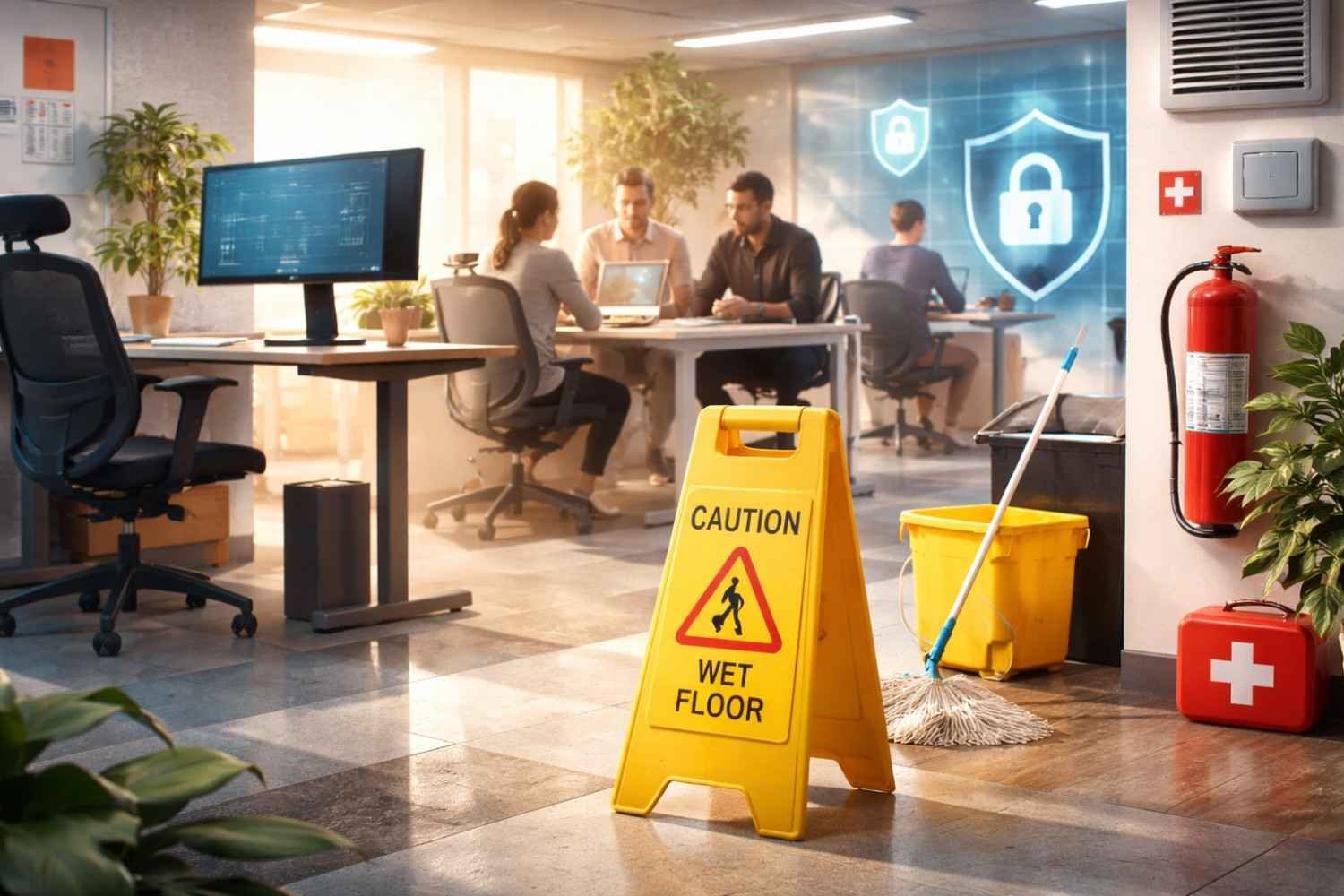
When we think of workplace hazards, our minds often jump to construction sites with heavy machinery, chemical plants, or high-voltage electrical work. We picture hard hats, high-visibility vests, and caution tape. While those environments certainly carry elevated risks, the reality is that every workplace—from a quiet corporate office to a bustling retail store—harbors potential dangers.
Safety is often treated as a compliance checklist, something to be reviewed once a year and then filed away. However, a safe environment is the foundation of a productive business. When employees feel secure, they focus better, collaborate more effectively, and stay with the company longer. Conversely, ignoring potential hazards can lead to injuries, costly legal battles, and a significant drop in morale.
Identifying these risks isn’t always straightforward. Some are physical and obvious, while others are psychological or invisible to the naked eye. Here are six common workplace risks that every manager should know, along with practical strategies to manage them.
1. Ergonomic Strain and Repetitive Motion

It might not look dangerous, but sitting at a desk for eight hours a day is one of the leading causes of workplace injury. Poor ergonomics can lead to musculoskeletal disorders, including carpal tunnel syndrome, chronic back pain, and severe eye strain. These injuries develop slowly over time, making them easy to ignore until they become debilitating.
How to Manage It:
- Invest in Equipment: Provide adjustable chairs, standing desks, and monitor risers. An employee’s screen should be at eye level to prevent neck strain.
- Encourage Movement: Implement the “20-20-20” rule: every 20 minutes, look at something 20 feet away for 20 seconds. Encourage staff to stretch or walk around the office hourly.
- Training: Teach employees how to set up their workstations correctly. A fancy chair is useless if it isn’t adjusted to the user’s body.
2. Slips, Trips, and Falls
According to OSHA, slips, trips, and falls cause the majority of general industry accidents. They account for 15% of all accidental deaths and are second only to motor vehicles as a cause of fatalities. In an office setting, these are rarely caused by dramatic drops but rather by mundane hazards: a wet floor in the breakroom, a loose carpet tile, or a laptop charger snaking across a walkway.
How to Manage It:
- Housekeeping: Enforce a clean-desk and clean-floor policy. Clutter is a primary culprit for trips.
- Cable Management: Use cable ties, covers, or floor channels to keep cords out of foot traffic areas.
- Immediate Action: If a spill happens, it must be marked and cleaned immediately. Do not wait for the cleaning crew.
3. Workplace Stress and Burnout
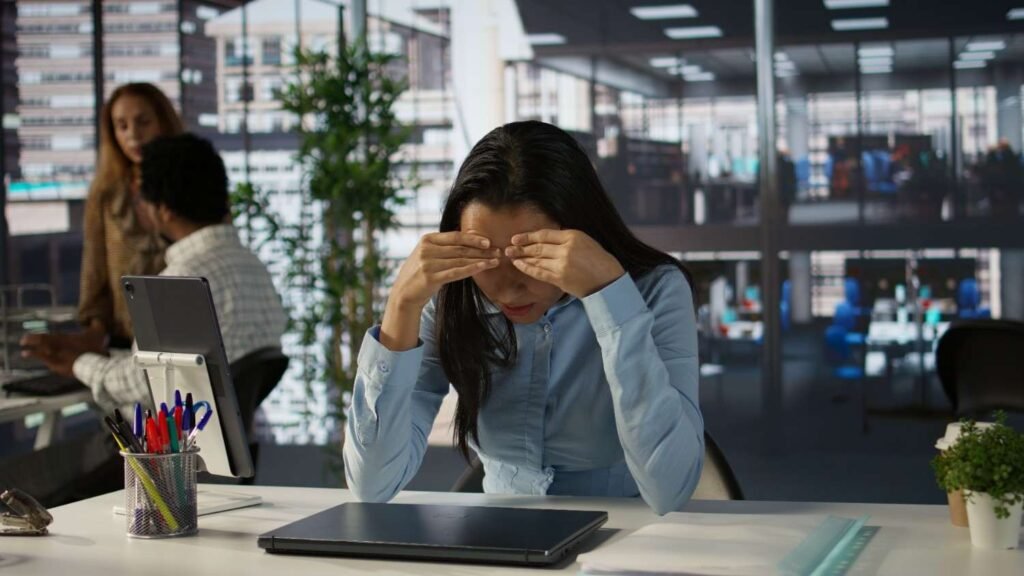
Safety isn’t limited to physical well-being. Psychosocial hazards, such as excessive workloads, lack of role clarity, and bullying, constitute a major risk in modern workplaces. Chronic stress leads to burnout, which manifests as exhaustion, cynicism, and reduced professional efficacy. Burned-out employees are also more likely to make errors that lead to physical accidents.
How to Manage It:
- Open Communication: Create channels where employees can voice concerns about their workload without fear of reprimand.
- Clear Boundaries: Respect personal time. Avoid sending emails after hours or expecting immediate responses during weekends.
- Support Systems: Offer Employee Assistance Programs (EAPs) that provide access to mental health resources and counseling.
4. Indoor Air Quality and Chemical Hazards
We often assume the air inside our buildings is clean, but poor ventilation can lead to a buildup of CO2, dust, mold spores, and volatile organic compounds (VOCs) from cleaning supplies or new furniture. This is often referred to as “Sick Building Syndrome,” leading to headaches, fatigue, and respiratory issues among staff.
In environments where specific chemicals are used, the risk is even higher. If you are operating in a facility with complex environmental factors or hazardous materials, relying on basic HVAC maintenance might not be enough. In these cases, hiring industrial hygiene consulting firms is a smart move. These experts can conduct thorough air sampling and exposure assessments to ensure you are meeting safety standards.
How to Manage It:
- Regular HVAC Maintenance: Change filters frequently and ensure air ducts are clean.
- Source Control: Choose low-VOC paints and furniture. Store cleaning chemicals in ventilated areas.
- Plants: Introducing office plants can help filter the air and improve the general atmosphere.
5. Fire Safety Deficiencies
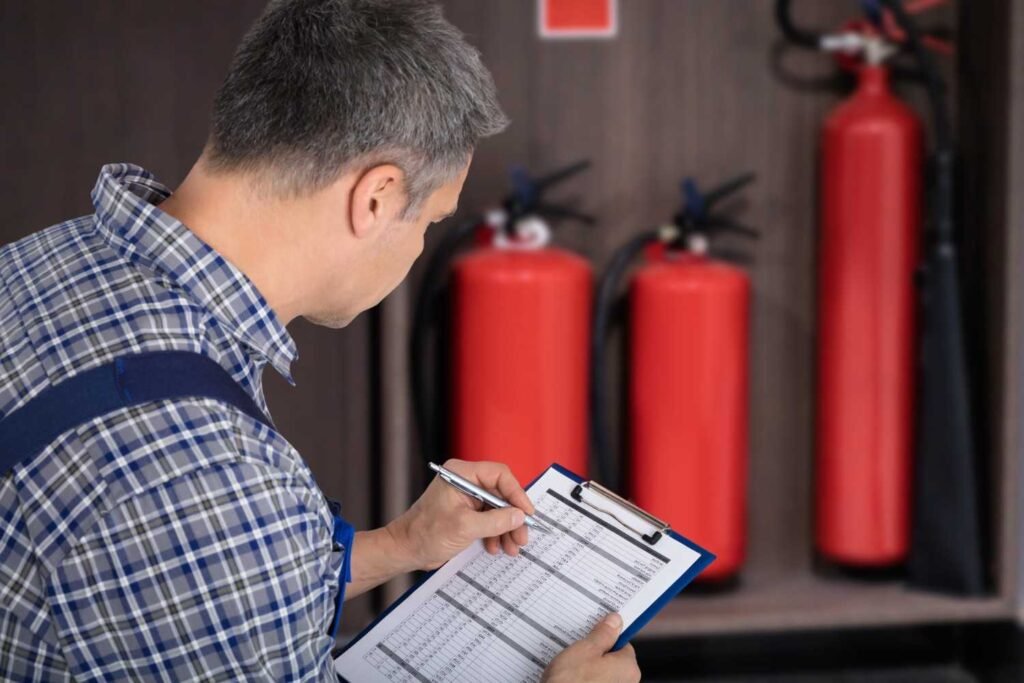
Fire safety is highly regulated, yet complacency is common. Fire doors get propped open for convenience, extinguishers are blocked by stacks of paper, and evacuation maps fade into the background. In an emergency, seconds matter, and these small oversights can have catastrophic consequences.
How to Manage It:
- Regular Drills: Conduct evacuation drills at least twice a year. Ensure everyone knows the assembly point.
- Clear Exits: Never allow emergency exits to be blocked, even “just for a minute.”
- Equipment Checks: Inspect fire extinguishers and smoke detectors monthly to ensure they are functional and accessible.
6. Cyber Security Threats
While this might seem like an IT issue, cyber security is a safety risk that threatens the livelihood of the entire company and its employees. Phishing attacks, ransomware, and data breaches can halt operations instantly, leading to financial ruin and loss of sensitive personal data. Human error is the leading cause of these breaches.
How to Manage It:
- Ongoing Education: Regular training on how to spot phishing emails and social engineering tactics is essential.
- Protocol Enforcement: Mandate strong, unique passwords and multi-factor authentication (MFA) for all company accounts.
- Access Control: Limit access to sensitive data. Employees should only have access to the files necessary for their specific role.
Building a Proactive Safety Culture
Managing workplace risks is an ongoing process, not a one-time project. It requires shifting the company mindset from reactive—fixing problems after an accident happens—to proactive.
The best source of information regarding workplace hazards is often the workforce itself. Your employees see the frayed wire, feel the drafty vent, and experience the stress of an understaffed shift. By fostering an environment where safety is discussed openly and feedback is acted upon, you protect your most valuable asset: your people. A safe workplace is a successful workplace, and the effort put into risk management pays dividends in health, happiness, and the bottom line.