
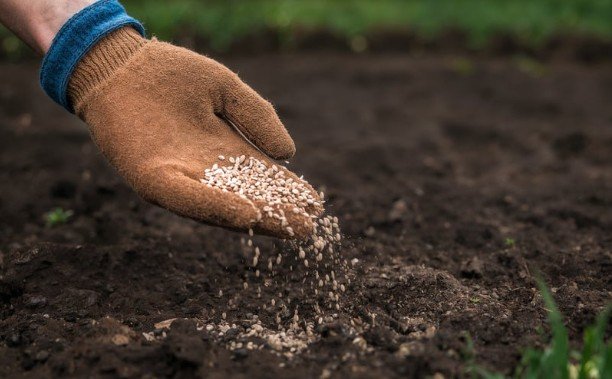
Sustainable farming is more than a method of agriculture; it’s a commitment to a set of principles designed to protect the environment, support rural communities, and produce food and fibres in a way that’s healthy for both the planet and its inhabitants. Mastering the essentials of sustainable farming requires a nuanced understanding of ecological systems, as well as the right resources and tools. One of the most critical components for achieving this is ensuring access to quality farm supply.
Understanding Sustainable Farming
Sustainable farming, at its core, aims to meet society’s present food and textile needs without compromising the ability of future generations to meet their needs. This involves a fine balance of environmental stewardship, farm profitability, and prosperous farming communities. It is a dynamic approach that can be adapted to any farm’s specific conditions and local ecosystems.
Environmental Stewardship in Farming
Environmental stewardship is the foremost pillar of sustainable farming. Protection of soil, water, and biodiversity is paramount. This involves the implementation of practices such as crop rotation, use of cover crops, conservation tillage, and integrated pest management. Each action is carefully considered with the health of the surrounding ecosystem in mind.
Economic Viability
For any farming practice to be sustainable, it must also be economically viable. Farmers need to make a living, and this requires access to markets, fair pricing, and the financial ability to invest in sustainable technologies and processes. The economic aspect of sustainability is where quality farm supply comes into sharp focus.
Social Responsibility
Social responsibility means maintaining safety and health at work practices, contributing to local communities, and ensuring that the benefits of sustainable practices are widespread. Rural communities thrive when local farms are successful, and this success is often underpinned by the availability of excellent farming resources and equipment.
The Role of Quality Farm Supply in Sustainable Farming
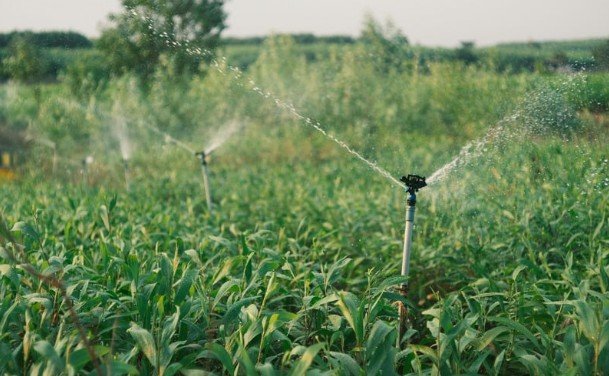
A fully-functioning, sustainable farm relies on quality supplies and materials that help minimise environmental impact. From seeds that are non-GMO or heirloom varieties to machinery that is energy-efficient, having the right supplies is crucial. Modern farmers are increasingly turning to suppliers that align with their sustainable values, recognising that every purchase decision affects their farm’s sustainability.
Every agricultural product and piece of equipment plays a role in the larger system. Consider the importance of durable farm tools that reduce the need for frequent replacement, or the benefits of using natural pest control products that avoid harm to non-target species and the soil biology and biochemistry. A reputable farm supply store will offer these, enhancing the farm’s sustainability.
Tools and Technology
Tools and technology sourced from a conscientious farm supply store can significantly advance a farm’s sustainable operations. Equipment designed for efficiency not only conserves energy but can also optimise labour, allowing farmers to allocate time toward other sustainable practices on the farm.
Seeds and Soil Health
Sustainable farming begins with the soil. The choices made regarding seeds and soil amendments have deep repercussions for soil health and the environment. Organic and heirloom seeds, as well as organic fertilisers and soil conditioners, are examples of products that support a sustainable system, fostering healthy crop growth without the reliance on harmful chemicals.
Building a Sustainable Farm with the Right Supplies
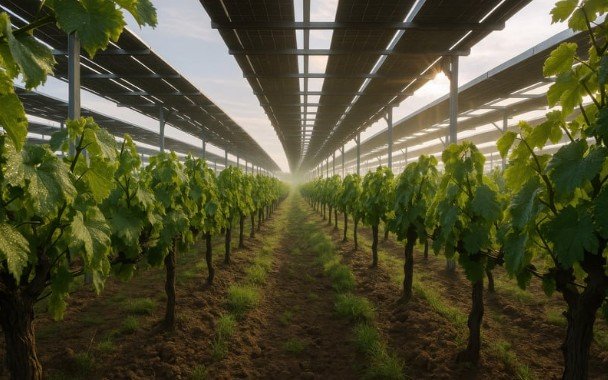
Building a sustainable farm doesn’t happen overnight. It is an iterative process that involves ongoing learning and adaptation. The selection of supplies is critical in this journey. With an extensive array of essential items for farming, a dedicated farm supply store can be a partner in sustainability.
When sourcing supplies, it’s important to consider the full lifecycle of the products. Reusable, repairable, and recyclable tools and products are more sustainable options. Moreover, the best suppliers will be knowledgeable about their products, offering advice on the most sustainable choices for particular farming operations.
Collaboration for Sustainability
A network is equally essential in sustainable farming as the physical supplies. Collaborating with local farmers, agricultural advisors, and suppliers can lead to shared knowledge and resources, reducing overheads and improving sustainability across the board.
Education and Advocacy
Quality farm supply stores often also serve as centres for education and advocacy, encouraging sustainable practices through workshops, information sharing, and community engagement. This not only aids individual farms but fosters a wider movement towards sustainable agriculture.
Choosing a Farm Supply Partner for Sustainability
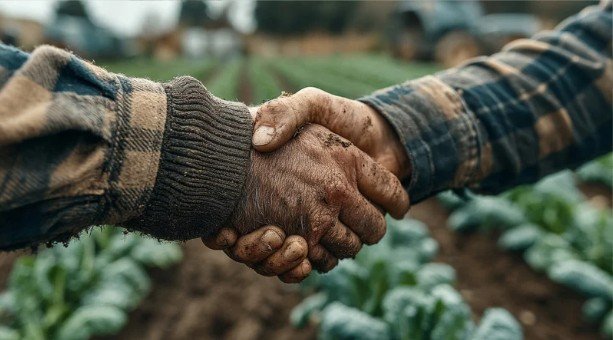
Choosing the right farm supply partner is about more than price and product availability; it’s about aligning with a supplier who understands and supports the principles of sustainable farming. It requires a partner who shares the commitment to environmental, economic, and social sustainability.
A good supplier will offer products that are sourced responsibly, made with sustainable materials, and designed to support sustainable farming practices. They will also be committed to the long-term success of their farming customers, understanding that the health of the farming community is deeply connected to the health of the environment.
Conclusion
Sustainable farming is a complex, multifaceted endeavour that necessitates a holistic approach to agricultural practices and resources. Access to quality farm supply is a foundational element of this approach, enabling farmers to foster environmental stewardship, economic viability, and social responsibility. By selecting the right supplies—and the right supplier—farmers can ensure their operations are as sustainable as they are productive, paving the way for a healthier planet and a secure food future.
As the world continues to grow more conscious of the impact farming has on the environment, the role of farm supply cannot be overstated. It is an essential partner in sustainable agriculture, helping to master the essentials of a farming approach that will safeguard our planet for generations to come.