
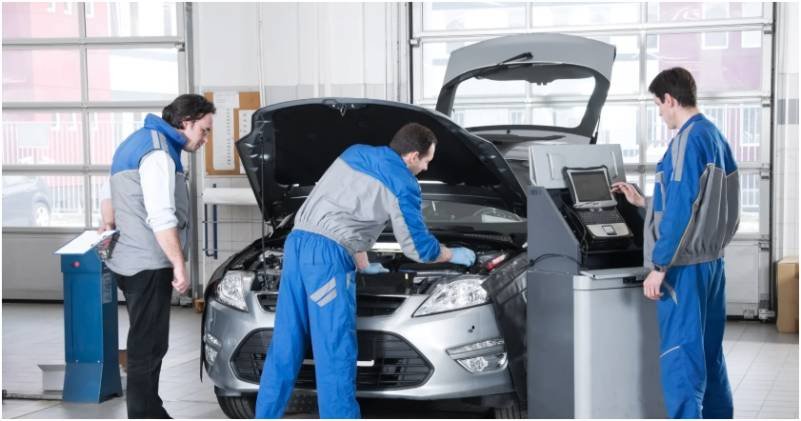
Embarking on a long trip brings excitement and anticipation. Whether you plan to visit national parks or drive cross-country to see family, the success of your adventure relies heavily on the reliability of your vehicle. A breakdown far from home can quickly turn a relaxing vacation into a stressful ordeal.
Proper preparation ensures your car is up to the task, keeping you safe and helping you avoid costly repairs along the way. By following a structured maintenance routine before you leave, you can enjoy peace of mind as the miles roll by.
Checking Vital Fluids
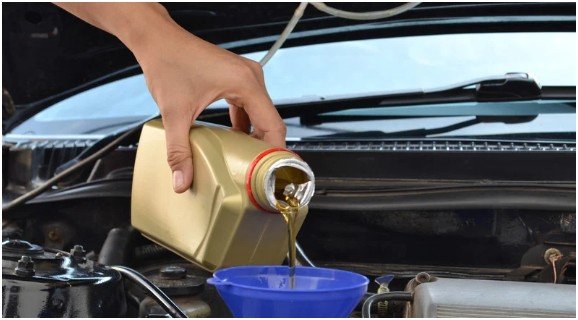
Fluids are essential for the smooth operation of your engine and other critical systems. Before a long drive to page az or any other place want to explore, you must verify that all fluid levels are sufficient and that the fluids themselves are clean.
Engine Oil
Oil lubricates the moving parts of your engine, reducing friction and preventing overheating. Check the oil level using the dipstick when the engine is cool. If the level is low, add the recommended type of oil.
Also, look at the color. Amber or light brown is good, but black or gritty oil suggests it needs changing. Starting a trip with fresh oil is one of the best ways to protect your engine during sustained highway driving.
Coolant and Transmission Fluid
Coolant prevents your engine from freezing in winter and overheating in summer. Ensure the reservoir is filled to the appropriate line. Transmission fluid is equally important for shifting gears smoothly.
Low levels can lead to slipping gears or transmission failure. If you are unsure how to check these, consult your owner’s manual for guidance on location and proper procedures.
Inspecting Tires and Alignment
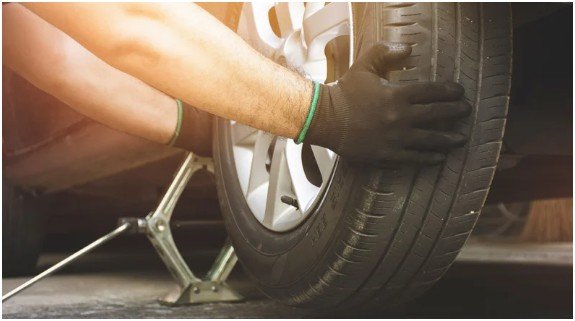
Your tires are the only contact point between your vehicle and the road. Their condition dictates how well your car handles, stops, and accelerates.
Tread Depth and Pressure
Worn tires are dangerous, especially in rain or snow where traction is reduced. Use a tread depth gauge or the penny test to ensure you have enough rubber remaining.
Tire pressure is another critical factor. Under-inflated tires generate excess heat, which can lead to blowouts, while over-inflated tires reduce grip.
Check the pressure in all four tires and the spare, adjusting them to the manufacturer’s specifications found on the driver’s door jamb.
Alignment and Balance
If your car pulls to one side or the steering wheel vibrates at highway speeds, you may have alignment or balance issues. Correcting these problems before you leave prevents uneven tire wear and makes driving less fatiguing. A smooth ride reduces driver stress and keeps passengers comfortable for hours at a time.
Examining the Braking System
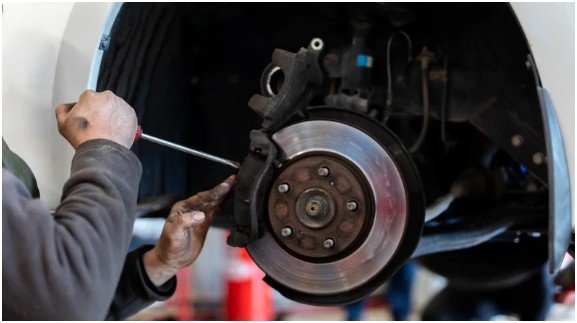
Being able to stop effectively is more important than being able to go fast. Your braking system must be in top condition to handle sudden stops or steep descents.
Pads and Rotors
Listen for squeaking or grinding noises when you apply the brakes. These sounds often indicate that the brake pads are worn down to the metal indicators.
Visually inspect the thickness of the pads through the wheel spokes if possible. If they look thin, have them replaced.
Rotors should be smooth and free of deep grooves. Vibrations when braking usually suggest warped rotors that need resurfacing or replacement.
Brake Fluid
Brake fluid transfers the force from your pedal to the wheel hub. Over time, this fluid can absorb moisture, lowering its boiling point and reducing effectiveness.
Ensure the fluid is clear and at the correct level. If you suspect any issues with stopping power or pedal feel, scheduling a service for brakes in Salem Utah or a shop near your location is a smart precautionary step before heading out.
Testing Lights and Electrical Components

Visibility is crucial for safety, particularly if you end up driving at night or in poor weather. A quick walk-around can identify simple issues that are easy to fix.
Exterior Lighting
Test every light on your vehicle. This includes headlights, high beams, brake lights, turn signals, and reverse lights. Ask a friend to stand outside while you operate the controls, or park near a reflective surface to check them yourself.
Replace any burnt-out bulbs immediately. Clean the headlight lenses if they are cloudy to improve brightness and range.
Battery and Wipers
A dead battery is a common cause of roadside calls. Check the battery terminals for corrosion and ensure cables are tight. If the battery is old, have it tested to see if it holds a sufficient charge.
Additionally, inspect your windshield wipers. If they leave streaks or chatter against the glass, replace them. Good visibility during a sudden downpour is vital for safe driving.
Final Preparations
Pack an emergency kit containing jumper cables, a flashlight, basic tools, and a first-aid kit. Having these items on hand prepares you for minor issues that might otherwise cause major delays.
With your fluids topped off, tires checked, and mechanical systems inspected, you are ready to hit the road. Taking these proactive steps transforms uncertainty into confidence, allowing you to focus entirely on the journey ahead.