
If you’ve ever wondered how to start a medical courier business, you’re probably drawn to two things: stable demand and meaningful work. Medical couriers don’t just move boxes—they help move lab samples, medications, and critical supplies that literally impact patient care. When you set up this type of business properly, you combine steady income with real purpose.
In this guide, I’ll walk you through the essential steps, from research and licensing to equipment, pricing, and getting your first contracts.
What does a medical courier business actually do?
Before you launch, you need to understand how a medical courier business operates day to day.
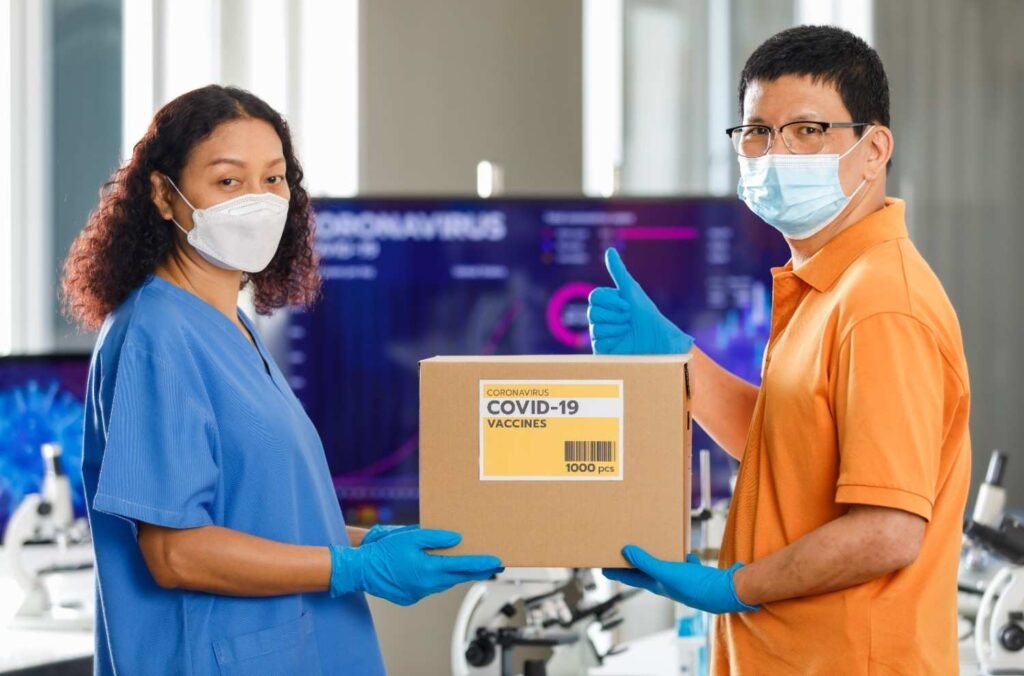
Medical couriers transport time-sensitive and often temperature-sensitive items: lab specimens, blood and urine samples, biopsy tissue, vaccines, prescription meds, medical records, and small pieces of equipment. Deliveries usually run between hospitals, clinics, labs, pharmacies, long-term care facilities, and patients’ homes.
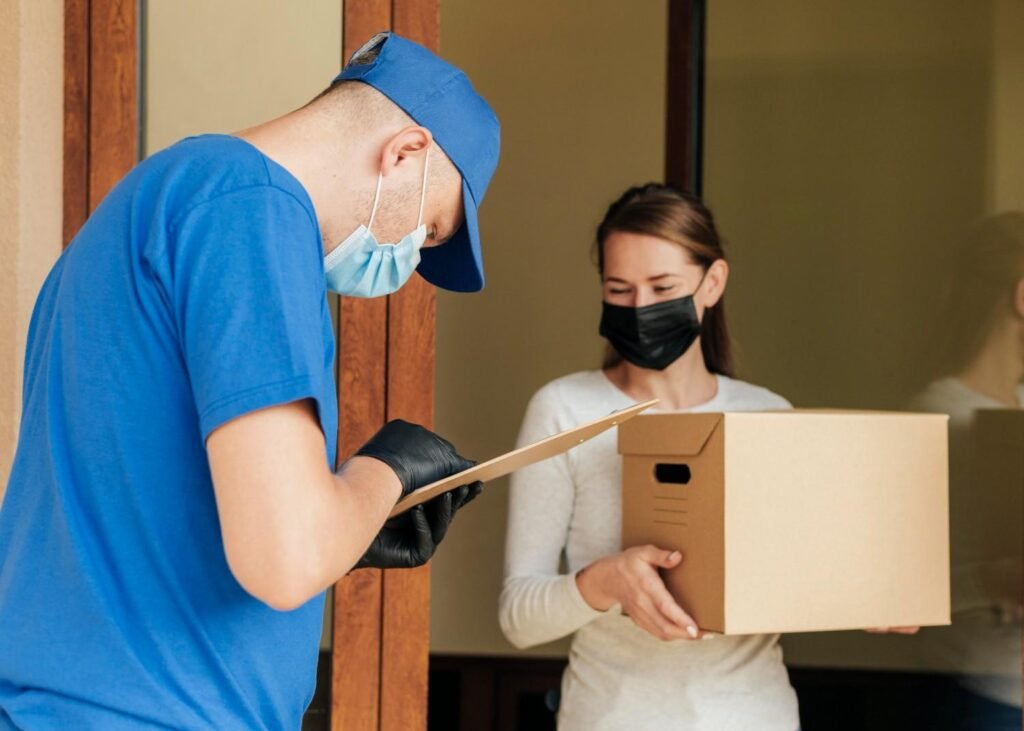
Because these items affect diagnosis and treatment, you must follow strict protocols: sealed packaging, temperature control, chain-of-custody logs, and on-time delivery windows. Many clients require proof of delivery, signatures, and digital tracking for every stop.
So even though it’s a courier business, it sits closer to healthcare than e-commerce. That means higher expectations—and more opportunity if you build a reputation for accuracy and reliability.
How big is the opportunity for a medical courier business?
The medical courier market links directly to healthcare, which continues to grow as populations age and outpatient services expand. One industry analysis projects medical courier services to grow at roughly 5.5% annually over the next several years, driven by demand for lab testing, home delivery of prescriptions, and just-in-time medical logistics.
That growth doesn’t guarantee success, but it does mean you’re not trying to invent demand from scratch. In many cities, smaller independent operators still win contracts because they’re responsive, local, and willing to customize routes.
Like any business, profitability depends on your location, route density, vehicle costs, and how efficiently you plan deliveries.
What licenses and permits do you need to start a medical courier business?
Legal and compliance steps are non-negotiable in this niche.
At a minimum, you typically need:
- Business registration – Register a legal entity (often an LLC for liability protection) with your state.
- General business license – Many cities or counties require a basic business operating license.
- EIN – An Employer Identification Number from the IRS for taxes and payroll.
- Commercial auto insurance – If you operate branded vehicles or have employees driving in your name.
- Cargo / inland marine insurance – To cover the value of specimens and medical supplies.
- Liability insurance – General and professional liability to protect against claims.
Depending on what you transport and your state’s rules, you may also need:
- Permits for handling biological specimens or medical waste
- OSHA-compliant bloodborne pathogen training
- HIPAA training and policies if you handle protected health information (PHI)
Because requirements vary by state, it’s worth speaking with a small-business attorney or using your state’s small business development center (SBDC) as a starting point.
How much does it cost to start a medical courier business?
Start-up costs depend heavily on whether you already own a reliable vehicle and how big you want to launch.
If you already have a good car, basic insurance, and some coolers, some medical couriers report starting in the $5,000–$7,000 range—covering licensing, upgraded insurance, containers, technology, and initial marketing.
If you plan to purchase a dedicated van, wrap it, buy specialized temperature-controlled containers, and pay for routing software and a small team, your budget can easily climb into the $15,000–$30,000+ range.
Major cost buckets include:
- Vehicle purchase or lease, maintenance, fuel
- Commercial auto and liability insurance
- Insulated coolers, temperature loggers, PPE, label printers, scanners
- Dispatch / route-optimization software
- Website, branding, and basic marketing
Start small and reinvest as routes and contracts grow.
How to start a medical courier business step by step
Here’s a practical roadmap you can follow.
1. Research your local healthcare market
Map out hospitals, labs, imaging centers, dialysis clinics, pharmacies, and home health agencies in your service radius. Check how many existing medical couriers operate there, what services they offer, and where gaps might exist (after-hours service, rural coverage, stat deliveries, etc.).
2. Define your niche and services
Decide what you want to specialize in:
- Routine lab specimen pickup and delivery
- Pharmacy and home prescription delivery
- On-demand “stat” runs for hospitals
- Long-distance routes between regional labs
A clear niche makes it easier to price, market, and compete.
3. Create a detailed business plan
Top-performing medical courier businesses almost always have a written plan. Include your target customers, services, pricing model, projected income and expenses, route strategy, staffing plan, and technology stack. A solid plan is essential if you want a small business loan or line of credit.
4. Choose a business structure and register
Set up an LLC or corporation for liability protection, then register with your state and obtain your EIN and local business licenses. This step also includes setting up a business bank account and bookkeeping system so you don’t mix personal and business finances.
5. Get certified, insured, and compliant
Complete HIPAA training, OSHA bloodborne pathogen training, and any specialized courses your clients expect. Ensure your driver(s) meet minimum age and driving record requirements (many companies require 21+ and a clean record). Then secure the correct mix of commercial auto, cargo, and liability insurance.
6. Equip your vehicles professionally
Beyond a reliable car or van, you’ll need:
- Insulated coolers and biohazard containers
- Temperature monitoring devices for sensitive specimens
- Spill kits and PPE (gloves, masks, gowns where appropriate)
- Barcode scanners or a mobile app for proof of delivery
This equipment shows clients you take compliance seriously and helps you standardize processes.
7. Invest in routing and delivery software
Route-optimization and proof-of-delivery tools help you:
- Plan efficient multi-stop routes
- Track drivers in real time
- Capture signatures and time stamps
- Provide clients with delivery status updates
Many leading medical courier companies rely on delivery management platforms to keep costs down and service levels high.
8. Build relationships and win your first contracts
Start local and personal:
- Visit lab managers, clinic administrators, and pharmacy owners in person.
- Offer to handle overflow or trial routes to prove yourself.
- Join local healthcare networking groups or chambers of commerce.
Over time, you can respond to RFPs (requests for proposals) from larger health systems and reference labs, using your early success stories and on-time performance metrics as proof.
How do you get clients for a medical courier business?
Client acquisition can make or break your business, so treat it as a core function.
Effective strategies include:
- Professional website and Google Business Profile so local facilities can find you when searching for medical delivery services.
- Direct outreach to administrators at hospitals, clinics, labs, and pharmacies.
- Niche positioning (for example, “24/7 stat lab courier” or “rural route specialist”) to stand out from general couriers.
- Exceptional reliability during pilot runs, which often leads to longer contracts and referrals.
In many regions, reputation and word-of-mouth matter more than paid advertising.

Frequently Asked Questions
1. How much can I make with a medical courier business?
Income varies widely by market and how many routes you run. Individual medical couriers often earn around $40,000–$60,000 per year, while owners with multiple vehicles and drivers can earn more once they cover fuel, insurance, and payroll. Your margins will depend on dense routing, smart pricing, and tight cost control.
2. Do I need a medical background to start a medical courier business?
You usually don’t need a medical degree, but you do need to understand basic medical terminology, specimen handling rules, and privacy laws like HIPAA. Many new owners complete medical courier or bloodborne pathogen training to show clients they’re serious about compliance.
3. Can I start a medical courier business from home?
Yes. Many owners run dispatch and admin tasks from a home office, especially at the beginning. As long as your vehicles, equipment, and documentation meet regulatory and client requirements, you don’t need a storefront. Just make sure you’re allowed to run a home-based business under your local zoning rules.
4. Is a medical courier business still worth it with so much competition?
Competition has grown, especially after social media attention on courier side hustles, but demand from healthcare continues to expand as well. What usually separates profitable businesses from struggling ones is reliability, compliance, and customer service—not just being the cheapest. If you research your local market carefully and carve out a clear niche, the business can still be very worthwhile.
Final thoughts: Is now the right time to start a medical courier business?
Learning how to start a medical courier business isn’t just about buying a cooler and a car. It’s about understanding healthcare needs, respecting strict regulations, and building a lean, efficient delivery operation that clients trust with life-critical items.
If you take the time to research your market, set up the right legal and insurance structure, invest in professional equipment and software, and focus relentlessly on on-time, compliant deliveries, you give yourself a real shot at building a sustainable, profitable medical courier business.