
Your home should be your sanctuary, a place where the outside elements stay exactly where they belong—outside. Yet, many homeowners find themselves fighting a losing battle against drafts, cold spots, and escalating energy bills. You might crank up the furnace in January or blast the air conditioning in July, but if your home’s “envelope” is compromised, you are essentially paying to condition the outdoors.
The primary culprits for this energy loss are often the very features that make a house feel open and inviting: your windows and doors. Standard or aging openings act as thermal bridges, allowing heat to escape during winter and invade during summer.
Upgrading to high-efficiency openings is not just a renovation choice; it is a fundamental step toward reclaiming control over your indoor environment. By understanding the technology behind modern fenestration, you can transform a drafty house into a haven of consistent comfort.
The Weak Points in Your Walls
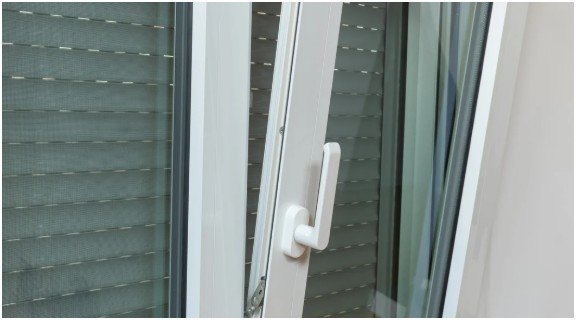
Architecturally, windows and doors are essentially holes in your building’s insulation barrier. While solid walls filled with fiberglass or foam do an excellent job of stopping heat transfer, glass is naturally conductive.
In older homes, single-pane windows offer virtually zero resistance to thermal transfer. When it’s freezing outside, the interior surface of that glass becomes cold, cooling the air inside your room and creating a convection current that feels like a draft, even if the window is sealed shut.
High-efficiency openings address this by engineering barriers that disrupt this transfer of energy. It isn’t just about thicker glass; it involves a complex system of components working together to trap air and reflect thermal energy.
The Anatomy of an Efficient Window
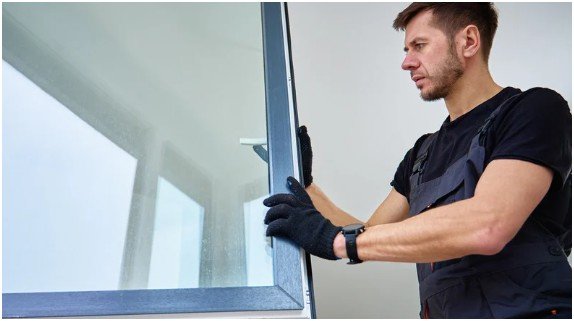
To understand why upgrading works, you have to look at the anatomy of an energy-efficient window. There are three critical components that separate a high-performance unit from a standard builder-grade window.
Multiple Panes and Gas Fills
The industry standard has moved far beyond single-pane glass. Double and triple-pane units create sealed chambers between the layers of glass.
These chambers are not just empty space; they are often filled with inert gases like argon or krypton. These gases are denser than air, which means they move slower and transfer less heat. This invisible barrier acts as an insulator, significantly reducing the amount of hot or cold air that can pass through the glazing.
Low-E Coatings
Low-emissivity (Low-E) coatings are microscopic, metallic layers applied to the glass surface. They are designed to reflect infrared light while allowing visible light to pass through.
In the winter, Low-E coatings reflect interior heat back into the room. In the summer, they reflect the sun’s punishing heat away from the house. This technology ensures that your window serves as a shield rather than a sieve.
Frame Construction and Thermal Breaks
The glass is only part of the equation. If the frame holding the glass conducts heat—like aluminum frames from the 1980s—you will still lose energy around the edges. Modern high-efficiency frames are constructed from materials like vinyl, fiberglass, or thermally broken aluminum. These materials are poor conductors of heat, ensuring that the edge of the window performs as well as the center.
The Superior Seal: Tilt and Turn Mechanics
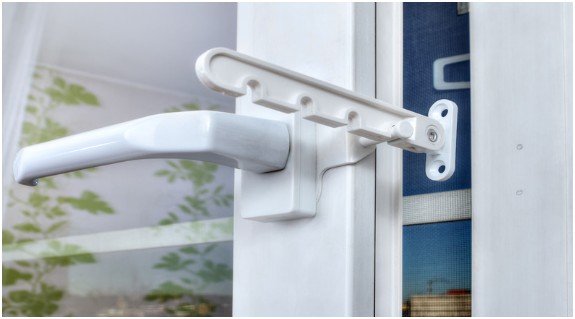
Beyond the materials, the operation of the window plays a massive role in efficiency. Traditional sliding windows (hung windows or sliders) rely on weather stripping that brushes against the track. Over time, this stripping wears down, and air infiltration increases.
This is where European-style engineering creates a distinct advantage. High-performance tilt and turn windows utilize a multi-point locking system. When the window is closed, the sash is physically compressed against the frame’s rubber gaskets, creating an air-tight seal similar to a refrigerator door. This compression prevents air leakage far better than sliding mechanisms ever could.
This level of engineering is particularly vital in regions with distinct four-season climates. For example, homeowners installing tilt turn windows in Salt Lake City find them indispensable because they provide robust protection against heavy winter snow loads and the intense high-altitude summer sun.
The ability to seal the home tight during extreme weather, while easily tilting the window inward for secure ventilation during mild days, offers a balance of efficiency and utility that standard windows struggle to match.
Understanding the Metrics
When shopping for high-efficiency openings, you will encounter labels from the National Fenestration Rating Council (NFRC). Two numbers matter most for indoor comfort:
- U-Factor: This measures how well the window prevents heat from escaping. A lower number is better. In colder climates, a low U-factor is the most critical spec to look for to keep heat inside during winter.
- Solar Heat Gain Coefficient (SHGC): This measures how much solar radiation creates heat inside the room. In hot climates, you want a lower SHGC to reduce cooling costs. In mixed climates, you might want a balanced rating to allow some passive solar heating in winter without overheating in summer.
Silence and Security

While the primary driver for high-efficiency openings is thermal comfort, the secondary benefits are equally impactful. The same heavy gas fills and multiple panes that stop heat transfer also stop sound waves. Residents living near busy streets or airports often notice a dramatic reduction in exterior noise immediately after installation.
Furthermore, the robust construction required to hold triple-pane glass often results in a sturdier, more secure entry point. The multi-point locking mechanisms found on high-efficiency doors and windows make forced entry significantly more difficult compared to standard latches.
Investing in Your Living Space
Upgrading your home’s openings is an investment in your daily quality of life. It eliminates the need to wear sweaters indoors during winter or suffer through hot spots in your living room during summer.
By focusing on U-factors, advanced sealing mechanisms, and quality frame materials, you create a building envelope that works with your HVAC system rather than against it.
If your home currently suffers from drafts or fluctuating temperatures, it is time to look past the thermostat and check the windows. The path to a truly comfortable home begins with closing the gaps in your defense.