

I still remember the morning I got my first summons and immediately Googled what to wear to jury duty. I stood in front of my closet feeling like I was dressing for a job interview, a school presentation, and a parent-teacher meeting all at once.
I wanted to look respectful, but I also wanted to survive a long day of sitting, waiting, and possibly freezing because every courthouse seems to keep the thermostat set to “December.” That experience taught me a lot—and now I want to help you avoid the same closet confusion.
I show up for jury duty like I’m stepping into a space that deserves maturity and calm energy. And trust me, the court staff notices when people dress thoughtfully.
Your outfit won’t earn you a gold medal, but it tells the judge you take the process seriously. Let me walk you through everything I learned so you can walk in confidently too.
What to Wear to Jury Duty if You Want to Look Respectful Without Feeling Stiff?

I always start with the simple rule: business casual. It strikes the perfect balance between looking put-together and staying comfortable during long hours. I reach for clothes that I’d wear to a meeting or a semi-formal event—not too intense, not too relaxed.
For men, a collared shirt works every time. Whether it’s a polo or a crisp button-up, you can pair it with chinos or dress pants and instantly look courtroom-ready. I sometimes add a blazer if the courthouse feels extra cold or if I want to lean toward the more professional side. A tie isn’t required, but it adds polish if you prefer that vibe.
For women, business casual offers plenty of flexibility. Blouses, sweaters, dress pants, and knee-length skirts or dresses always feel appropriate. I love pairing a tailored dress with a cardigan or light jacket because it keeps me warm without making me look overdressed. Muted or neutral colors like navy, black, beige, or gray always work well because they don’t pull attention or feel out of place.
The key is choosing clothing that respects the formality of the space while still keeping you comfortable, confident, and calm through the entire day.
What to Wear to Jury Duty If Your Biggest Worry Is Comfort?
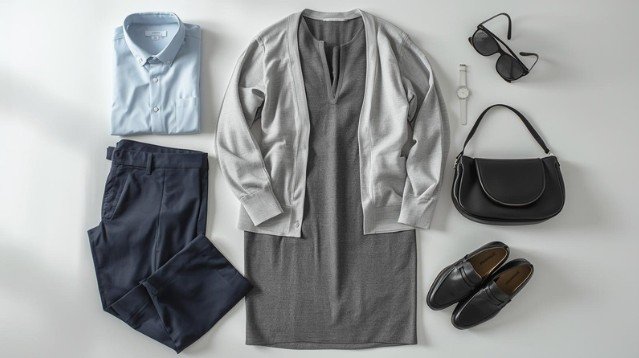
Comfort plays a huge role in how smoothly your day goes, and I learned that the hard way. Courthouse chairs don’t always win awards for being ergonomic, so soft, breathable fabrics make a difference. Avoid anything scratchy, overly tight, or stiff.
Closed-toe shoes matter more than people think. I choose loafers, flats, or simple dress shoes because they look clean and professional but let me walk around the courthouse without wobbling. Avoid flip-flops, sandals, or overly casual sneakers—you’ll draw attention, and most courts don’t allow them anyway.
I also pay close attention to temperature changes. Some areas feel warm, others feel cold, so layering saves the day. A cardigan, blazer, or light jacket keeps you comfortable without compromising the overall look.
When you prioritize comfort within the boundaries of business casual, your day feels smoother, calmer, and far less stressful.
What to Wear to Jury Duty to Avoid Getting Sent Home?
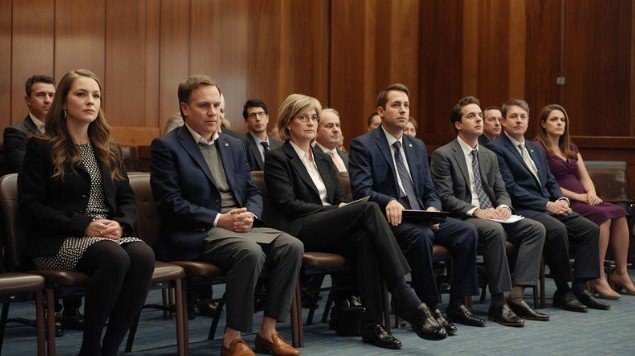
This part matters more than most people realize. I’ve seen people get excused because their outfits violated court rules. The courtroom isn’t the place for casual weekend wear, flashy graphics, or anything that distracts from the serious nature of legal proceedings.
Courts commonly prohibit shorts, tank tops, overly short skirts, revealing tops, ripped clothing, and anything with loud political or offensive slogans. I also avoid athletic shoes, flip-flops, or work uniforms because they send the wrong message or aren’t allowed. Even hats must come off once you enter the courtroom unless you’re wearing one for religious reasons.
If your outfit raises eyebrows, the judge can literally send you home, which delays the process for everyone. Dressing respectfully protects you from that and ensures the court views you as someone who takes the responsibility seriously.
What Should You Check Before Choosing What to Wear to Jury Duty?
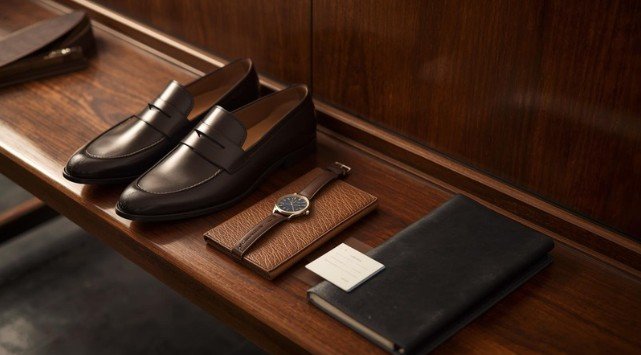
One thing I always do is check the website for my local court. Dress codes vary a little by county, so it helps to confirm any special rules. Some courts allow nice jeans; others don’t. Some are strict about graphic tees; others focus more on modesty and neutrality. A quick check saves confusion and prevents last-minute outfit panic.
I also think about grooming. Clean, neat clothes matter. Brushed hair, minimal accessories, and tidy grooming tell the court you respect the process. You don’t need to look perfect—just presentable.
A small amount of planning makes the entire experience smoother. You walk in looking calm and capable, and you walk out knowing you represented yourself well.
How Do You Choose What to Wear to Jury Duty Step-by-Step?
Here’s how I make the process simple every time:
Step 1: Start with business casual basics.
I pick a collared shirt or blouse and pair it with slacks, chinos, or a modest skirt.
Step 2: Choose closed-toe shoes that feel comfortable.
Walking and waiting take up most of the day, so I never gamble on uncomfortable footwear.
Step 3: Pick neutral or muted colors.
Navy, black, beige, gray—these always look clean and respectful.
Step 4: Add a layer.
A cardigan or blazer helps me handle courthouse temperature swings without struggling.
Step 5: Do a quick mirror check.
If the outfit feels respectful, tidy, and comfortable, then it’s jury-duty-approved.
FAQ: What Do People Really Ask About What to Wear to Jury Duty?
1. Can I wear jeans to jury duty?
Clean, dark, non-ripped jeans work in many places, and I’ve worn them when courts specifically allowed it. Still, some jurisdictions prefer dress pants. Check your courthouse website before deciding, and choose jeans only if they look neat and appropriate.
2. Do I need to wear a suit?
Not at all. A full suit feels too formal for most jury situations. Business casual meets expectations perfectly. If you prefer wearing a blazer or jacket, go for it—but you don’t need to dress like you’re attending a corporate board meeting.
3. Can I wear sneakers?
Simple, clean sneakers occasionally pass in some courts, but athletic or flashy ones don’t. I avoid them because they lean too casual. Closed-toe flats, loafers, or low-profile dress shoes work best and feel more respectful.
4. What happens if I wear something inappropriate?
Judges take courtroom rules seriously. If your outfit violates dress code guidelines, you might get asked to leave and return in more appropriate clothing. It delays your day and can disrupt the court’s schedule, so choosing the right outfit from the beginning saves stress.
The Verdict: Dress Smart, Feel Good, and Own the Day
Here’s my sassy truth: you never regret dressing a little better for jury duty, but you almost always regret dressing worse.
When you know what to wear to jury duty, you walk in feeling calm, confident, and capable. My best advice? Wear something respectful, comfortable, and true to your personality—just a quieter version of it.
You’re showing up as a citizen doing something important. Let your outfit reflect that, and the entire day feels a little easier.