

Mold is a common household problem that often goes unnoticed until it becomes a significant health or property issue. Understanding why mold appears is essential for prevention and remediation. Mold spores are everywhere, but they need the right conditions to grow. Recognizing the environmental and household triggers that encourage mold growth can help you protect your home and your health.
Environmental Triggers of Mold
Mold thrives in moist environments, making certain weather and environmental conditions prime triggers. High humidity is one of the main contributors. Homes in regions with frequent rain or high humidity are at greater risk. Even if your home is well-ventilated, consistently high humidity can provide enough moisture for mold to grow on walls, ceilings, and floors.
Household Triggers of Mold
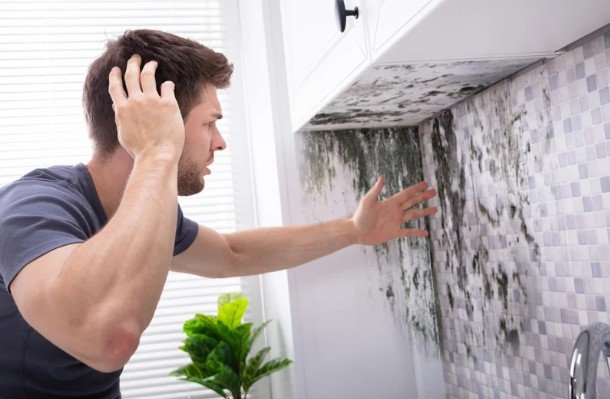
While environmental factors set the stage, everyday household conditions often trigger mold growth inside homes. Poor ventilation is a leading cause. Bathrooms, kitchens, laundry rooms, and basements that lack proper airflow trap moisture, creating a perfect environment for mold. Installing exhaust fans or opening windows when cooking or showering can reduce humidity levels significantly.
Plumbing issues are another common cause. Leaks in pipes, water heaters, or sinks provide constant moisture that encourages mold growth. Even slow leaks behind walls can result in mold that goes unnoticed for months, potentially causing damage to structural materials and furniture.
Appliances that generate moisture, such as refrigerators, washing machines, and dishwashers, can also be triggers if not maintained properly. Condensation around these appliances can settle on nearby surfaces, promoting mold growth. Regular cleaning and maintenance can help mitigate this risk.
Water damage from spills or flooding should never be ignored. Wet carpets, rugs, or upholstery left to dry slowly can become breeding grounds for mold. If left untreated, moisture can also affect nearby materials and household systems that damage your property over time. Immediate drying and proper cleaning are essential to prevent spores from taking hold.
Health Implications and Mycotoxins
Mold exposure can have serious health effects, especially for sensitive individuals. Allergic reactions, respiratory issues, and irritation of the eyes, nose, and throat are common. Certain types of mold produce mycotoxins, toxic compounds that can accumulate in the body. For those concerned about exposure, a mycotoxin urine test at home can provide insights into whether these toxins are present in your system and guide appropriate health measures.
Preventing Mold Growth
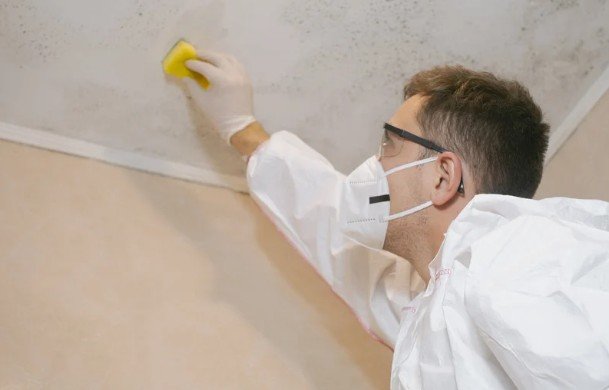
Prevention is far better than dealing with mold after it appears. Start by controlling moisture in your home. Use dehumidifiers in damp areas, repair leaks promptly, and ensure proper ventilation. Keeping gutters clean and directing water away from your foundation can also reduce environmental triggers.
Regular cleaning of high-risk areas, like bathrooms and kitchens, helps remove spores before they can establish colonies. Materials like drywall and insulation should be replaced if water damage occurs, as they are highly susceptible to mold.
Monitor your home for signs of mold, including musty odors, discoloration, or water stains on walls and ceilings. Early detection allows you to address the problem before it spreads and becomes a bigger health concern.
In Conclusion
Mold appears due to a combination of environmental and household triggers, primarily moisture, warmth, and poor ventilation. By understanding these factors, homeowners can take proactive measures to reduce mold risk. Whether addressing high humidity, fixing leaks, or monitoring indoor spaces, prevention is key.
For individuals concerned about health effects from mold exposure, considering tests like the mycotoxin urine test at home can provide valuable insights. Awareness, maintenance, and prompt action are the most effective strategies to keep your home mold-free and safe.