
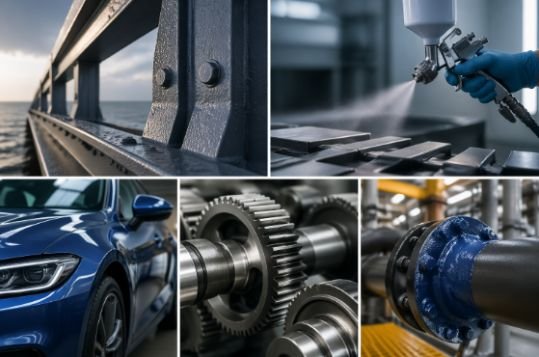
Manufacturing products that stand the test of time requires more than just high-quality raw materials. Components are constantly exposed to environmental stressors, friction, and chemical degradation that can drastically reduce their operational lifespan.
Specialized coatings serve as a critical line of defense, transforming ordinary materials into highly resilient assets. By applying precisely engineered finishes, manufacturers can prevent premature failure, reduce maintenance costs, and ensure consistent performance under extreme conditions.
This article explores five specific ways these advanced applications protect materials and significantly extend product longevity.
1. Superior Corrosion Resistance
Moisture, salt, and oxygen act as catalysts for oxidation, leading to rust and structural decay in metallic components. Specialized coatings create an impermeable barrier between the vulnerable substrate and the surrounding environment, effectively halting the electrochemical reactions that cause corrosion.
According to industrial engineering studies, utilizing appropriate anti-corrosive finishes can extend the lifespan of structural steel by up to 50 years, even in harsh marine environments.
Coatings formulated with zinc, polyurethane, or epoxy are particularly effective because they provide sacrificial protection or tight molecular cross-linking. When these barriers are applied correctly, they seal microscopic pores in the metal, preventing water and oxygen from penetrating the surface.
Tip: When selecting a coating for outdoor environments, prioritize zinc-rich primers followed by a robust topcoat to provide both galvanic and barrier protection against the elements.
2. Enhanced Abrasion and Wear Protection
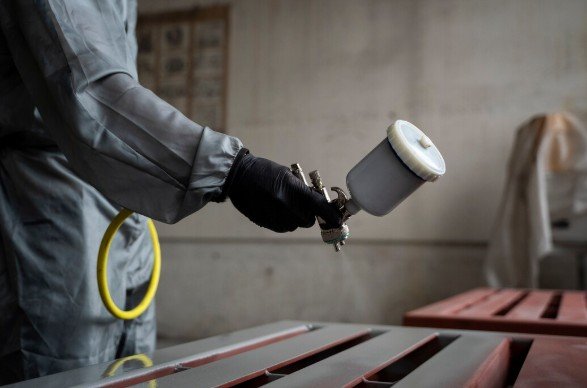
Mechanical friction is a primary cause of material degradation in moving parts, machinery, and high-traffic surfaces. Continuous rubbing, scraping, and impact can quickly wear down untreated materials, leading to dimensional changes and eventual mechanical failure. Hard-wearing protective finishes, such as ceramic coatings or specialized polymers, significantly lower the coefficient of friction and increase the surface hardness of the base material.
By utilizing contract coating services to apply these specialized finishes, manufacturers can ensure a highly uniform, durable layer that resists severe abrasion. This reduces the need for frequent part replacements and minimizes system downtime. These applications are incredibly valuable in industries like aerospace and automotive manufacturing, where parts are subjected to constant mechanical stress.
Tip: For components experiencing high levels of sliding friction, opt for polytetrafluoroethylene (PTFE) or molybdenum disulfide coatings to effectively lubricate the surface and minimize mechanical wear.
3. Defense Against UV Degradation
Prolonged exposure to ultraviolet (UV) radiation breaks down the molecular bonds in plastics, composites, and even certain metals. This degradation manifests as fading, chalking, embrittlement, and cracking, which compromise both the aesthetic and structural integrity of the product. Specialized UV-resistant coatings contain inhibitors and absorbers that intercept harmful radiation before it reaches the substrate.
These coatings work by converting UV energy into harmless thermal energy, which is then safely dissipated. This technology is crucial for outdoor architectural panels, automotive exteriors, and exterior signage. By applying a robust UV-stable clear coat or pigmented finish, products maintain their original appearance and mechanical properties for decades, despite constant sunlight exposure.
Tip: Always specify aliphatic polyurethane coatings over aromatic urethanes for outdoor applications, as aliphatic compounds naturally resist yellowing and UV degradation over extended periods.
4. Unyielding Chemical and Solvent Resistance
Industrial equipment, storage tanks, and pipelines frequently come into contact with harsh chemicals, aggressive solvents, and extreme pH environments. Without adequate protection, these substances quickly dissolve or degrade the underlying materials, leading to catastrophic leaks and equipment failure. Specialized chemical-resistant coatings are formulated using tightly cross-linked polymers, such as novolac epoxies or fluoropolymers, which are impervious to chemical attack.
These coatings form a dense, non-porous shield that prevents corrosive acids, alkalis, and industrial solvents from reaching the substrate. Because different chemicals require specific defensive properties, the formulation of the coating can be customized to match the exact chemical profile of the operating environment.
Tip: Before applying a chemical-resistant finish, always consult a chemical compatibility chart to ensure the specific polymer matrix of the coating can withstand the exact concentrations and temperatures of the chemicals involved.
5. Thermal Stability and Heat Insulation
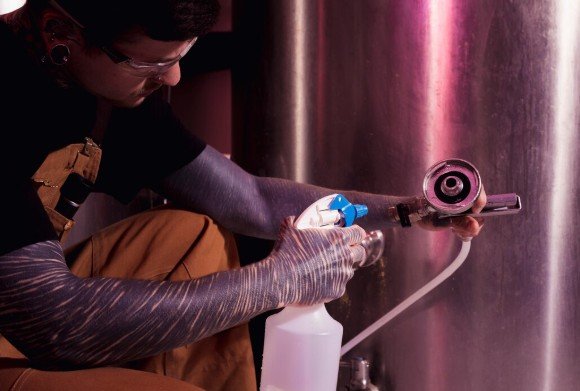
Components operating in high-temperature environments, such as engine manifolds, industrial ovens, and exhaust systems, are susceptible to thermal fatigue, warping, and melting. Specialized thermal barrier coatings (TBCs) are designed to withstand extreme heat, providing a crucial layer of insulation that protects the structural integrity of the base metal.
These coatings often incorporate ceramic materials, which possess excellent thermal insulation properties and high melting points. By reflecting heat away from the substrate and slowing the transfer of thermal energy, TBCs prevent the underlying material from reaching critical temperatures. This not only extends the life of the component but also improves the overall thermal efficiency of the system.
Tip: For high-heat applications, ensure the selected ceramic or silicone-based coating is rated for temperatures that exceed your maximum operating temperature by at least 20 percent to accommodate unexpected thermal spikes.
Maintaining a safe work environment is key to the longevity and performance of equipment. Learn how to manage workplace risks effectively by reading about common workplace risks and how to manage them to ensure operational safety and minimize downtime.