A Fragrant Revolution in Oral Healthcare
The modern dental practice has undergone a remarkable transformation over recent decades, evolving from sterile, clinical environments into welcoming spaces that prioritise patient comfort and wellbeing. Among the most intriguing developments in contemporary dentistry practiced by a dentist Coorparoo is the growing integration of aromatherapy techniques, which are quietly revolutionising the way patients experience dental care.
This gentle yet powerful approach harnesses the therapeutic properties of essential oils to create a more relaxed, pleasant atmosphere that can significantly improve treatment outcomes.
Traditional dental surgeries have long been associated with distinctive medicinal odours that can trigger anxiety in many patients. The sharp scent of antiseptics and dental materials often creates an immediate psychological barrier, causing stress before treatment even begins.
Forward-thinking practitioners are now recognising that addressing these sensory concerns can dramatically enhance the patient experience, leading to better cooperation and improved oral health outcomes.
The Science Behind Scent and Stress Reduction
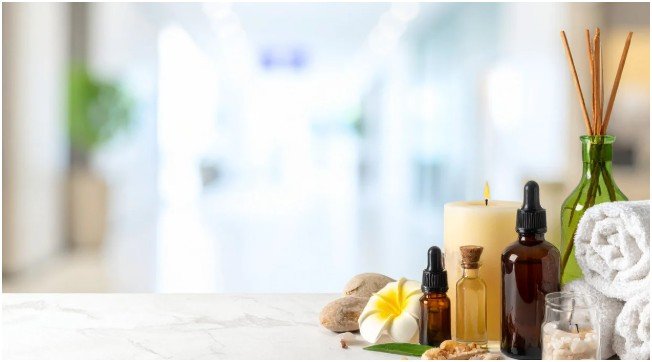
Research into the relationship between olfactory stimulation and psychological responses has revealed fascinating connections between specific aromas and measurable changes in stress levels. When patients enter a dental environment infused with carefully selected essential oils, their nervous systems often respond with reduced cortisol production and lowered heart rates.
This physiological relaxation response can make dental procedures more comfortable and manageable for individuals who might otherwise experience significant anxiety.
Lavender, chamomile, and bergamot are among the most frequently utilised essential oils in dental settings, each offering unique properties that contribute to patient comfort. These natural compounds work through the limbic system, directly influencing emotional responses and creating a sense of calm that extends throughout the treatment period.
Studies examining aromatherapy applications in dental care have documented notable improvements in patient satisfaction scores when these techniques are properly implemented.
Practical Implementation in Contemporary Practices
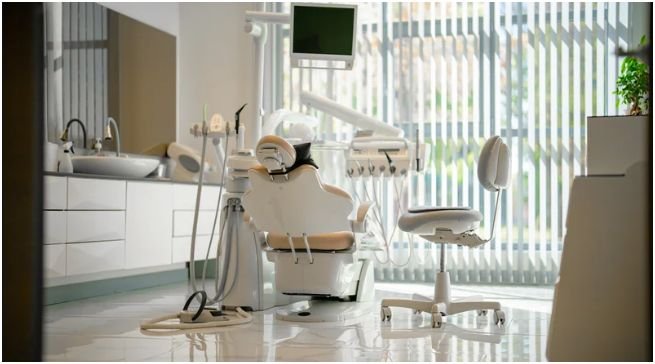
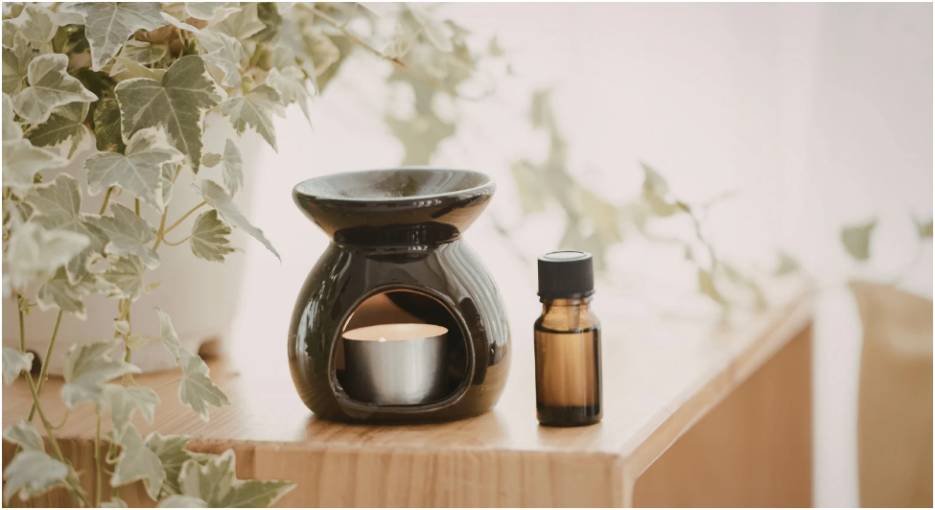
Modern dental practices are incorporating aromatherapy through various sophisticated delivery methods. Ultrasonic diffusers strategically placed throughout waiting areas and treatment rooms can disperse therapeutic scents without overwhelming sensitive patients or interfering with clinical procedures.
These systems allow precise control over concentration levels, ensuring that the aromatic environment enhances rather than distracts from professional care.
Patient-Centred Approaches to Aromatherapy
The implementation of aromatherapy in dental settings requires careful consideration of individual patient preferences and potential sensitivities. Progressive practitioners conduct brief consultations to identify any allergies or aversions to specific scents before beginning treatment.
This personalised approach ensures that aromatherapy enhances rather than complicates the dental experience, creating an environment where patients feel genuinely cared for and understood.
Some dental practices have developed sophisticated scent profiles for different types of procedures, recognising that various treatments may benefit from distinct aromatic environments. Routine cleanings might incorporate uplifting citrus oils to create an energising atmosphere, whilst more intensive procedures could utilise deeply relaxing floral essences to promote tranquillity and cooperation.
Addressing Traditional Dental Environment Concerns
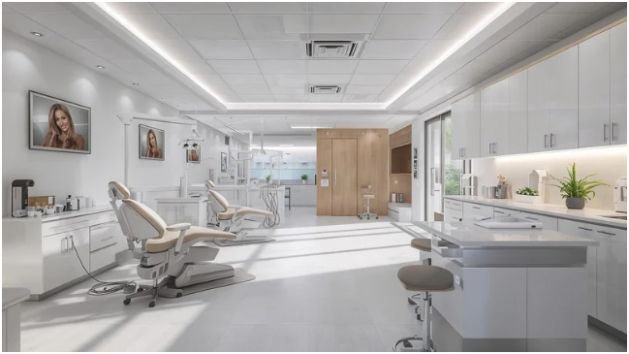
The challenge of managing traditional dental odours has prompted many practices to explore comprehensive aromatherapy solutions. Professional approaches to neutralising unpleasant dental office odours demonstrate how essential oils can transform the sensory landscape of clinical environments.
Rather than simply masking medicinal smells, properly designed aromatherapy systems work to create entirely new olfactory experiences that patients associate with comfort and care.
This transformation extends beyond mere pleasant fragrances, creating psychological anchors that help patients develop more positive associations with dental care. When individuals begin to connect dental visits with calming, spa-like experiences, they are more likely to maintain regular appointments and engage proactively with empowering their oral health care.
Integration with Holistic Care Philosophy
Many dental practices are embracing aromatherapy as part of a broader commitment to holistic patient care. Comprehensive aromatherapy programmes in dental offices often complement other comfort measures such as soft lighting, calming music, and ergonomic seating arrangements. This multi-sensory approach acknowledges that dental anxiety stems from various sources and requires thoughtful, comprehensive solutions.
The integration of aromatherapy techniques also reflects changing patient expectations regarding healthcare experiences. Contemporary patients increasingly seek practitioners who demonstrate genuine concern for their comfort and wellbeing, viewing such considerations as indicators of overall quality and professionalism.
The Future of Aromatic Dental Care
As aromatherapy continues to gain acceptance within dental communities, its subtle influence on patient experiences becomes increasingly apparent. This gentle integration of natural therapeutic techniques represents a thoughtful evolution in dental care delivery, demonstrating how traditional clinical excellence can be enhanced through innovative comfort measures that honour both scientific rigour and human sensibility.