Bad weather can quickly turn a normal drive into a dangerous situation. Heavy rain, thick fog, snow, dust, and strong winds can reduce visibility and make it harder for drivers to see the road ahead. These conditions can also hide stopped vehicles, lane markings, road hazards, and other drivers until it is too late to react safely.
Bright vehicle lights help drivers see more clearly while also making their vehicles easier for others to notice. For larger vehicles, work trucks, and service vehicles, light bars for trucks can provide added visibility in situations where standard headlights may not be enough. The right lighting system can help drivers identify hazards earlier, maintain safer distances, and respond more calmly when weather conditions suddenly change.
Rain Can Make Roads Difficult to See
Heavy rain affects visibility in several ways. Water on the windshield can blur a driver’s view, while dark clouds may make daytime conditions feel more like evening. Wet roads can also reflect headlights, streetlights, and traffic signals, creating glare that makes it difficult to judge distance. Bright lights can help drivers see lane markings, road edges, and nearby vehicles more clearly.
They can also make a truck easier to notice when it is traveling slowly, stopped on the shoulder, or assisting another vehicle. Drivers should still avoid using lighting that is too bright for the situation. Poorly aimed lights may reflect off wet surfaces and make visibility worse. Correct placement and responsible use help provide useful illumination without distracting other motorists.
Fog Requires Clear and Controlled Lighting
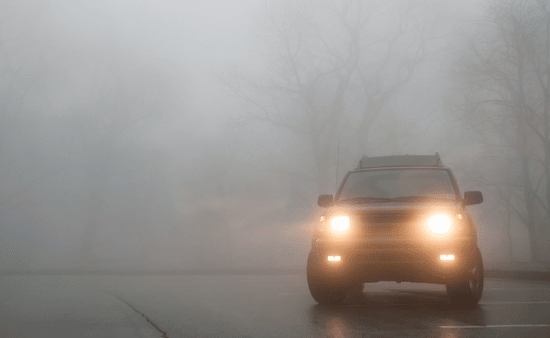
Fog is one of the most difficult weather conditions for drivers because it can reduce visibility within seconds. Thick fog may hide vehicles, intersections, signs, and curves until a driver is already close to them. Standard high beams are not always helpful in fog. Their light can reflect off the water droplets in the air and create a bright wall of glare.
Lower, properly directed lights often provide better visibility because they illuminate the road without shining directly into the fog. Truck safety lights can help other motorists recognize a vehicle’s position, especially when the truck is moving slowly or working near the roadside. Clear lighting gives approaching drivers more time to reduce speed and adjust their position safely.
Snow Can Hide Important Road Details
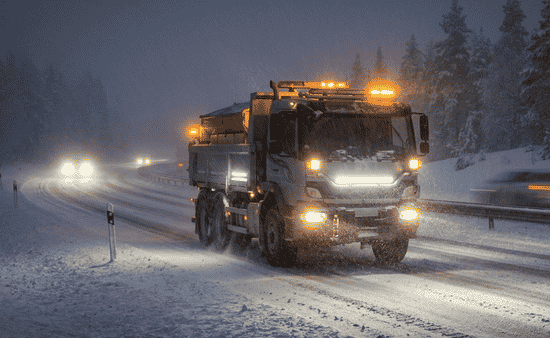
Snowfall can make roads difficult to navigate, particularly at night. Falling snow may reflect light back toward the driver, while accumulated snow can cover lane markings, curbs, and road edges. Snow-covered vehicles may also become harder to see from a distance. Bright lighting helps drivers identify changes in the road surface and notice obstacles that may be hidden by snow.
It can also improve visibility around the sides and rear of a truck when reversing, parking, or clearing an area. LED warning lights are often useful in cold and snowy conditions because they provide strong illumination while using relatively little power. Durable lighting equipment can help drivers maintain visibility even when temperatures drop and roads become more challenging.
Dust and Smoke Can Reduce Visibility Without Warning
Drivers may also face poor visibility caused by dust, smoke, or airborne debris. Construction zones, dry roads, wildfires, and strong winds can create conditions similar to fog. A clear road can suddenly become difficult to see within a short distance. Bright vehicle lights help other drivers understand where a truck is located inside a cloud of dust or smoke.
They may also help mark the presence of work crews, stopped vehicles, or roadside equipment. Drivers should reduce their speed and avoid sudden movements whenever visibility becomes limited. Reliable lighting supports these safe driving habits by improving awareness and making the vehicle more noticeable.
Work Trucks Often Need More Than Standard Headlights
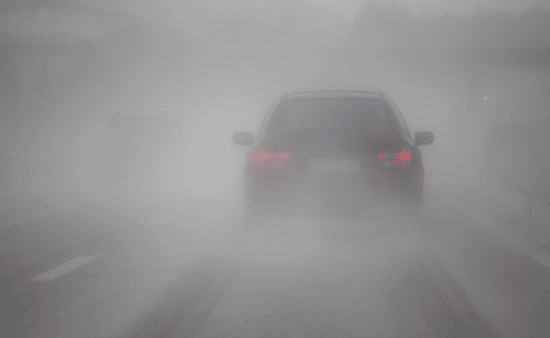
Many trucks are used for jobs that require travel during difficult conditions. Tow trucks, utility vehicles, construction trucks, maintenance vehicles, and roadside service trucks may need to operate before sunrise, after dark, or during severe weather. Standard headlights are mainly designed to illuminate the road in front of the vehicle. Work trucks may also need visibility around the sides, rear, cargo area, or nearby work zone.
Light bars for trucks can help provide wider coverage when drivers need to inspect equipment, load materials, reverse, or complete roadside tasks. Off-road lighting may also be useful on private property, job sites, farms, or remote roads where streetlights are not available. Proper lighting helps drivers complete necessary work without relying on handheld flashlights or limited factory-installed lights.
Bright Lights Help Other Drivers React Earlier
Vehicle lights do more than help the driver see. They also help other motorists notice the truck sooner. This is especially important during bad weather because reduced visibility limits reaction time. As part of preparing your vehicle for a stress free journey, ensuring that all headlights, taillights, and auxiliary lights are functioning properly can significantly improve visibility and safety. A driver approaching a slow-moving work truck may need extra time to brake or change lanes.
A truck stopped near the road should be visible from a safe distance so motorists can adjust their speed. Emergency vehicle lights can provide a clear warning that unusual activity is happening nearby. Early awareness is one of the most important benefits of bright vehicle lighting. A few additional seconds may help prevent sudden braking, unsafe turns, or collisions.
Proper Placement Matters
Even powerful lighting will not be effective if it is installed in the wrong position. Light bars should be placed where they can provide useful coverage without being blocked by equipment, cargo, or vehicle parts. The angle of the lights is also important. Lights aimed too high may shine into the eyes of other drivers.
Lights aimed too low may fail to illuminate enough of the road. Professional installation or careful adjustment can help achieve the best balance. Drivers should also consider whether they need front-facing, rear-facing, or side-facing lighting. The best setup depends on how the truck is used and the types of weather conditions it regularly encounters.
Regular Maintenance Keeps Lights Reliable
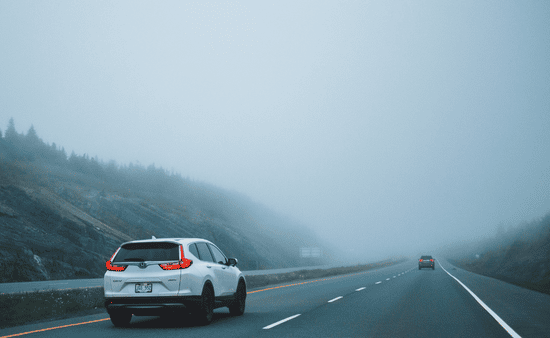
Bad weather can be hard on vehicle lighting equipment. Mud, snow, road salt, dust, water, and debris can collect on lenses and reduce brightness. Moisture may also enter damaged housings and cause electrical problems. Drivers should inspect their lights regularly and clean them when needed.
Wiring, switches, mounts, and connections should be checked for wear or damage. Loose components may shift while driving and change the direction of the light. Replacing damaged parts early helps prevent lighting failure during a storm or roadside emergency. Routine maintenance ensures that the system is ready when visibility becomes poor.
Drivers Must Use Bright Lights Responsibly
Bright lights can improve safety, but they must be used carefully. Some lighting systems are designed only for work sites, private property, emergency situations, or off-road use. Drivers should understand local rules before using additional lights on public roads.
Lights should not flash unnecessarily or create glare for oncoming traffic. Drivers should switch off work lighting when it is no longer needed and use the correct setting for each situation. Responsible operation allows vehicle lighting to provide a clear safety benefit without becoming a hazard. The goal is to improve visibility, not overwhelm other drivers.
Reliable Lighting Supports Safer Travel
Bad weather creates risks that drivers cannot always avoid. Rain, fog, snow, dust, and smoke may reduce visibility and make even familiar roads difficult to navigate. Bright, well-placed vehicle lights can help drivers recognize hazards earlier and make their trucks easier for others to see.
Light bars for trucks are especially valuable for work vehicles that operate in dark, remote, or unpredictable conditions. They can improve visibility around the vehicle, support roadside work, and help alert motorists to slow-moving or stopped trucks. Safe driving still requires reduced speed, careful positioning, proper following distance, and full attention. Reliable lighting adds another important layer of protection when weather conditions make the road harder to see.