A reliable maintenance program is one of the most valuable investments any construction, industrial, or equipment-driven operation can make. Well-maintained machinery operates more efficiently, experiences fewer unexpected failures, and contributes to safer working conditions.
Instead of reacting to costly breakdowns, organizations that prioritize maintenance can improve productivity, reduce expenses, and maximize the lifespan of their valuable assets through consistent planning and execution.
Establish Clear Maintenance Goals
Every successful maintenance program begins with clearly defined objectives. Without measurable goals, it becomes difficult to determine whether maintenance efforts are producing meaningful results. Organizations should identify priorities such as reducing equipment downtime, lowering repair costs, extending machine life, improving workplace safety, or increasing operational efficiency.
These objectives should align with broader business goals and project requirements. For example, a contractor managing multiple job sites may prioritize equipment availability, while a manufacturing facility may focus on maximizing production uptime.
Defining these goals provides direction for maintenance planning and helps allocate resources more effectively.
Facilities that depend on temperature-controlled systems require especially clear maintenance priorities because even a short equipment failure can damage inventory and disrupt operations. Businesses researching how to start a cold storage facility should include refrigeration inspections, emergency response planning, backup power, and preventive servicing in their maintenance goals from the beginning.
It is equally important to establish measurable performance indicators. Metrics such as equipment availability, maintenance completion rates, repair frequency, mean time between failures, and maintenance costs provide valuable insights into program performance.
Reviewing these indicators regularly allows managers to identify trends and adjust maintenance strategies before problems become more significant.
Develop Standard Maintenance Procedures
Consistency is essential for long-term success. Standardized maintenance procedures ensure every technician follows the same inspection processes, service intervals, and documentation requirements regardless of the equipment being maintained.
Written procedures reduce the likelihood of missed inspections or inconsistent repairs while helping new employees learn maintenance expectations more efficiently. Standardization also supports regulatory compliance and improves overall maintenance quality.
Maintenance procedures should also identify the protective gear required for inspections, repairs, lubrication, and component replacement. Understanding the importance of choosing reliable safety equipment suppliers helps organizations provide technicians with dependable protective equipment that supports workplace safety, regulatory compliance, and consistent maintenance practices.
Build a Preventive Maintenance Schedule
Preventive maintenance serves as the foundation of every reliable maintenance program. Rather than waiting for machinery to fail, preventive maintenance focuses on servicing equipment at planned intervals based on operating hours, usage conditions, or manufacturer recommendations.
Routine inspections allow technicians to identify worn components, fluid leaks, loose connections, and other developing issues before they lead to unexpected breakdowns. Addressing small problems early often prevents expensive repairs and minimizes disruptions to daily operations.
Maintenance schedules should be tailored to each piece of equipment rather than applying identical intervals across an entire fleet. Machines operating in dusty environments, under heavy loads, or for extended hours often require more frequent servicing than equipment used less intensively.
Balance Maintenance with Production Demands
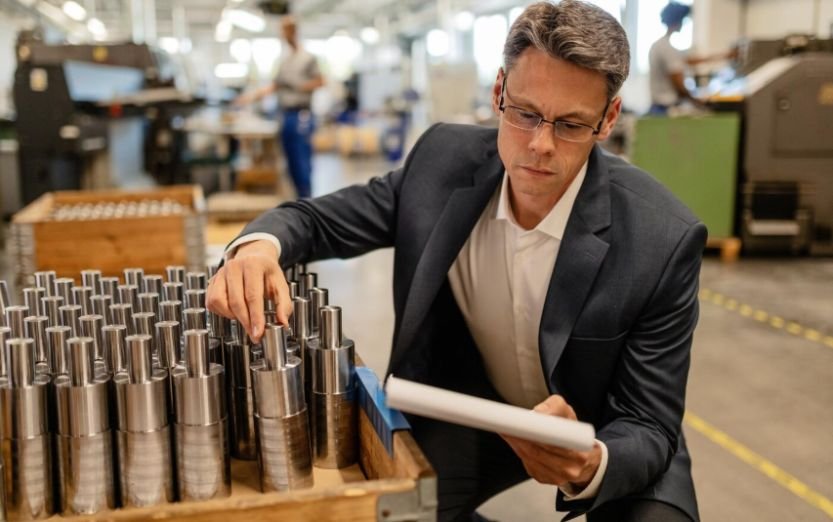
Scheduling maintenance can be challenging when equipment is needed daily. The most effective programs coordinate maintenance activities during planned downtime, weekends, or off-peak operating periods whenever possible.
Careful planning minimizes operational interruptions while ensuring technicians have adequate time to thoroughly complete inspections and repairs. Coordinating maintenance schedules with project managers also reduces conflicts between service needs and production deadlines.
Train Employees and Encourage Accountability

People play a critical role in the success of any maintenance program. Even the best maintenance schedule cannot deliver results if employees lack proper training or fail to follow established procedures.
Operators should understand how to perform routine daily inspections before equipment begins operating. Identifying warning signs such as unusual noises, leaks, excessive vibration, warning lights, or declining performance allows maintenance teams to respond before serious damage occurs.
Maintenance technicians should receive ongoing education to remain familiar with changing equipment technologies, diagnostic techniques, and repair methods. Continuous training improves repair quality while increasing technician confidence and efficiency.
Promote Shared Responsibility
Maintenance should never become the sole responsibility of mechanics. Operators, supervisors, managers, and maintenance personnel all contribute to equipment reliability through communication and accountability.
Encouraging employees to report developing issues immediately helps prevent minor concerns from becoming major failures. Establishing a workplace culture where equipment care is everyone’s responsibility leads to better maintenance outcomes and stronger overall performance.
Maintain Accurate Maintenance Records
Comprehensive documentation is one of the most valuable tools within a maintenance program. Detailed maintenance records provide historical data that supports better decision-making and long-term planning.
Every inspection, repair, replacement, lubrication service, and component failure should be documented. Recording maintenance dates, operating hours, technician observations, replacement parts, and repair costs creates a complete equipment history that becomes increasingly valuable over time.
These records help identify recurring problems, evaluate equipment reliability, forecast future maintenance needs, and determine whether replacing aging equipment is more cost-effective than continued repairs.
When specialized repairs exceed internal maintenance capabilities, partnering with professionals experienced in heavy equipment repair in Salt Lake City can help restore equipment efficiently while supporting long-term fleet reliability.
Analyze Maintenance Trends
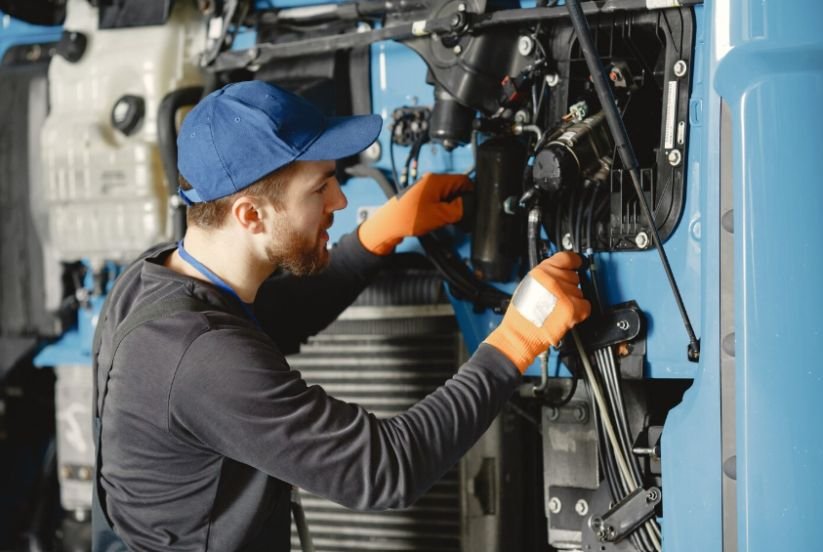
Historical maintenance data provides valuable insights that extend beyond individual repairs. Reviewing recurring failures may reveal design weaknesses, improper operating practices, environmental challenges, or maintenance scheduling gaps.
Trend analysis allows organizations to make informed improvements that reduce future breakdowns and optimize maintenance investments. Continuous evaluation transforms maintenance from a reactive activity into a strategic operational advantage.
Continuously Improve the Maintenance Program
An effective maintenance program should evolve alongside changing operational demands. Equipment ages, workloads shift, and new technologies introduce opportunities to improve maintenance practices. Regular program evaluations ensure maintenance strategies remain effective over time.
Managers should periodically review maintenance performance metrics, technician feedback, equipment reliability, and operational efficiency.
Identifying areas for improvement helps eliminate unnecessary maintenance activities while strengthening procedures that consistently produce positive results.
Employee feedback also plays an important role in continuous improvement. Operators and technicians often identify practical opportunities to streamline inspections, improve repair processes, or reduce recurring equipment problems.
Encouraging collaboration creates a culture focused on long-term reliability rather than simply responding to equipment failures.
Continuous improvement also includes reviewing inventory management for maintenance parts. Keeping commonly used replacement components readily available reduces repair delays and allows technicians to complete maintenance tasks more efficiently.
Proper inventory planning minimizes equipment downtime while avoiding excessive storage costs.
Organizations that regularly refine their maintenance programs remain better prepared to handle growing workloads, changing project requirements, and evolving equipment technologies. A commitment to ongoing improvement strengthens operational resilience and delivers measurable long-term value.
Conclusion
Building a reliable maintenance program requires planning, consistency, and organization rather than simply repairing equipment when problems occur.
Clear goals, preventive maintenance, employee training, accurate documentation, and continuous improvement all contribute to greater equipment reliability and operational efficiency.
By investing in proactive maintenance practices, organizations can reduce downtime, control costs, improve workplace safety, and maximize the long-term value of their equipment.