
When I first started traveling internationally, staying connected was one of my biggest challenges. I tried everything—local SIM cards, hotel WiFi, and even expensive roaming plans. Nothing felt consistent.
Then I discovered portable WiFi devices and eSIMs. At first, I didn’t know which one to choose. Both seemed useful, but they worked in completely different ways.
Understanding best portable wifi devices vs esim which is better helped me make smarter decisions depending on the type of trip. Now, I don’t rely on guesswork—I choose what actually fits my travel needs.
Key Takeaways
- Portable WiFi and eSIM serve different travel needs
- eSIM is more convenient for solo travelers
- Portable WiFi works better for multiple devices
- Cost depends on usage and trip duration
- Choosing the right option improves travel experience
What Is a Portable WiFi Device?
A portable WiFi device is like carrying your own internet hotspot.
I use it to connect multiple devices at the same time. It works by creating a private network using a data plan.
This is especially useful when traveling with others or using multiple gadgets like a laptop and phone.
It gives flexibility, but it also means carrying an extra device.
What Is an eSIM and How Does It Work?
An eSIM is a digital SIM that allows you to activate a mobile data plan without inserting a physical card.
I simply download a plan before traveling and activate it when I arrive. It connects directly to my phone.
This makes it incredibly convenient, especially when I want instant connectivity.
It removes the need to handle physical SIM cards.
Which Option Is More Convenient for Travelers?
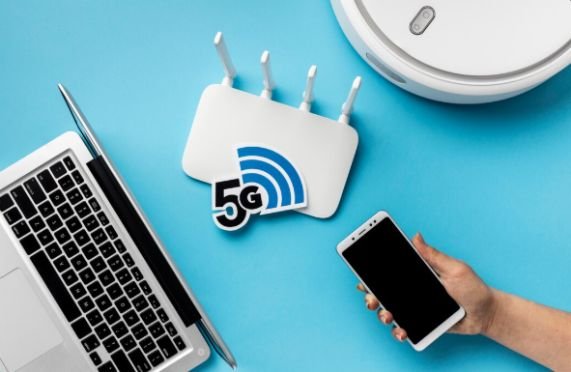
Convenience depends on your travel style.
For me, eSIM is the easiest option when traveling alone. There’s no extra device, no setup hassle, and everything works instantly.
Portable WiFi requires charging, carrying, and managing another device. But it becomes useful when more than one person needs internet.
If simplicity matters, eSIM usually wins.
How Do Speed and Reliability Compare?
Both options can provide good speed, but the experience can vary.
Portable WiFi often provides stable connections because it’s designed specifically for sharing internet.
eSIM depends on the local network, which can vary by location.
In most cases, both work well, but reliability depends on your destination and provider.
Which Is More Cost-Effective?
Cost depends on how you use it.
If I’m traveling solo, eSIM is usually more affordable. I only pay for what I use.
If I’m traveling with a group or using multiple devices, portable WiFi can be more cost-effective since it supports multiple connections.
This also connects with how to avoid unnecessary travel expenses, where choosing the right option prevents overspending.
Understanding your needs helps you save money.
How Do These Options Affect Daily Travel Convenience?
Daily convenience is where the difference becomes clear.
With eSIM, I don’t think about connectivity. It works in the background, allowing me to focus on my trip.
Portable WiFi requires charging and carrying, which adds a small layer of responsibility.
This also ties into how to stay connected while traveling internationally, where simplicity improves the overall experience.
Choosing the right option makes travel smoother.
Which Option Is Better for Remote Work While Traveling?
When I work while traveling, stability becomes important.
Portable WiFi works well when I need to connect multiple devices, like a laptop and phone.
However, eSIM is still reliable for most tasks if I’m working individually.
This aligns with managing remote work while traveling abroad, where reliable connectivity supports productivity.
The choice depends on how you work.
What Are the Main Advantages of Portable WiFi?
Portable WiFi is great for sharing.
It allows multiple users to connect at the same time, making it ideal for group travel.
It also provides consistent connectivity across devices.
But the downside is carrying and managing an extra device.
What Are the Main Advantages of eSIM?
eSIM stands out for simplicity.
It’s quick to set up, easy to use, and doesn’t require additional hardware.
I can switch plans easily and stay connected instantly.
For solo travelers, it’s one of the most convenient options available.
What Are Common Mistakes to Avoid?
One mistake I made was choosing based only on price.
Cheaper options don’t always provide better value if they don’t match your needs.
Another mistake is not checking compatibility. Not all devices support eSIM, and not all regions support every provider.
Now I check these details before making a decision.
How Do I Decide Which One Is Right for My Trip?
The decision depends on a few key factors.
If I’m traveling alone and want simplicity, I choose eSIM. If I’m traveling with others or need multiple connections, I choose portable WiFi.
I also consider trip duration, destination, and usage.
This helps me make a decision that fits my needs instead of guessing.
Best Portable WiFi Devices vs eSIM Which Is Better (Step-by-Step Routine)
First, identify your travel needs—solo or group, light or heavy internet usage.
Next, check your device compatibility for eSIM or portable WiFi options.
Compare cost based on your expected usage and trip duration.
Choose eSIM for convenience or portable WiFi for shared connectivity.
Finally, set up your chosen option before traveling to ensure a smooth experience.
FAQs
1. Which is better for solo travelers, portable WiFi or eSIM?
eSIM is usually better for solo travelers because it’s simpler, more convenient, and doesn’t require carrying an extra device.
2. Can I use portable WiFi and eSIM together?
Yes, using both can provide backup connectivity and improve reliability, especially for longer trips.
3. Is eSIM supported on all phones?
No, only newer smartphones support eSIM. Always check compatibility before choosing this option.
4. Which option is more reliable for long trips?
Both can be reliable, but portable WiFi is often better for consistent multi-device usage, while eSIM is ideal for individual use.
Choose Smart, Stay Connected
Understanding best portable wifi devices vs esim which is better helped me stop guessing and start choosing the right option for each trip.
It’s not about which one is better overall—it’s about what works best for your situation.
Once you match your choice with your travel style, staying connected becomes effortless and stress-free.