

When the school bell rings, a new challenge begins for parents. The transition from a highly structured classroom environment to the relaxed atmosphere of home can often lead to a slump in energy and motivation. Kids might drop their backpacks at the door and immediately reach for the nearest screen, leaving parents wondering how to make those remaining hours count.
The Benefits of Productive After-School Hours
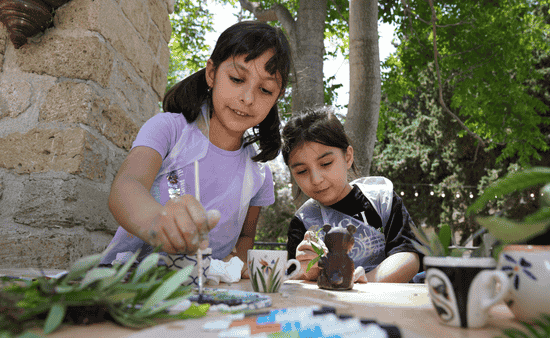
Allowing kids to spend their afternoons productively yields significant short-term and long-term rewards. These benefits extend far beyond simply keeping them occupied until dinnertime.
Academic advantages
When children engage in intellectually stimulating activities at home, their academic performance naturally improves. This does not necessarily mean doing extra math worksheets. Productive hours spent reading, solving puzzles, or experimenting with science kits help solidify the concepts they learn during the day.
Over time, this consistent engagement builds critical thinking skills and can lead to improved grades and a stronger grasp of complex subjects.
Social-emotional benefits
Productivity outside of school heavily influences a child’s emotional well-being. Keeping kids active and engaged helps reduce excessive screen time, which is frequently linked to irritability and poor sleep.
When children complete a project, practice a new instrument, or finish a book, they experience a sense of accomplishment. This boosts their confidence, improves their overall mood, and aids in vital social-emotional skill development.
Preventing boredom and fostering positive habits
“I’m bored” is a phrase parents hear all too often. By establishing a culture of productivity at home, you help children learn how to entertain themselves constructively. They begin to view free time not as a void to be filled with mindless scrolling, but as an opportunity to pursue passions.
These positive habits established in childhood often translate into strong time-management skills in adulthood.
Strategies for Encouraging Productivity

Setting the stage for a productive afternoon requires a bit of planning. You can help your children succeed by creating an environment that naturally encourages focus and creativity.
Create a dedicated workspace
Children need a physical boundary that signals it is time to focus. Setting up a specific area for homework, reading, or arts and crafts can make a huge difference. This space should be comfortable, well-lit, and stocked with the necessary supplies. When they sit at this designated spot, their brains will recognize that it is time to get to work.
Establish a routine and schedule
Predictability provides a sense of security for children. Work with your child to create a flexible, yet consistent, after-school schedule. For example, the routine might include a healthy snack immediately after school, followed by 30 minutes of homework, and then an hour of creative play. Having a clear roadmap prevents arguments and helps kids transition smoothly from one activity to the next.
Limit distractions
Televisions, tablets, and smartphones easily derail productive intentions. Establish clear rules regarding technology use during designated productive hours. You might implement a “no screens until homework is done” policy, or keep digital devices in a separate room while your child is working on a specific project.
Engaging Activities for Different Age Groups

Productivity looks different at every stage of development. Tailoring activities to your child’s age ensures they remain engaged and challenged appropriately.
Early Elementary (Ages 5-8)
Children in this age group possess boundless energy and curiosity. For working parents, enrolling kids in high-quality after-school programs in Eastside Tucson can provide a great mix of socialization and guided activity. If they are at home, focus on activities that feel like play.
- Creative play and arts & crafts: Provide clay, paint, and building blocks to let their imaginations run wild.
- Educational games and puzzles: Board games and age-appropriate puzzles develop spatial awareness and basic math skills.
- Reading time and storytelling: Read together or have them invent their own stories to build literacy skills.
Upper Elementary (Ages 9-12)
As children grow older, they can handle more complex tasks and begin to develop specific personal interests.
- STEM activities and experiments: Kitchen science experiments or basic robotics kits are highly engaging for this age group.
- Hobbies: Encourage them to pick up an instrument, start a garden, or learn the basics of coding.
- Community involvement and volunteering: Participating in a neighborhood cleanup or helping out at a local animal shelter teaches responsibility and empathy.
Middle School (Ages 13-14)
Teenagers crave independence. Guide them toward activities that allow them to take ownership of their learning and personal growth.
- Independent study and project-based learning: Encourage them to research a topic they are passionate about and create a presentation or blog post about it.
- Physical activities and sports: Organized sports or solo activities like running and skateboarding help manage teenage stress and build physical health.
- Skill-building: Support their efforts to learn a new language, take an advanced coding course, or practice creative writing.
Parental Involvement and Support
Your attitude toward productivity sets the tone for your household. Children look to their parents for cues on how to behave and manage their time.
Be a role model
If you spend your evenings glued to a smartphone, your children will likely do the same. Demonstrate productive habits by reading a book, working on a household project, or engaging in a hobby while your kids are doing their activities. Show them what lifelong learning looks like in practice.
Offer encouragement and positive reinforcement
Acknowledge your child’s efforts, not just their achievements. Praise them for staying focused on a difficult math problem or for cleaning up their craft supplies without being asked. Positive reinforcement builds internal motivation and makes them want to continue engaging in productive tasks.
Balance structure with flexibility
While routines are important, rigidity can lead to burnout. Some days, your child will be too exhausted for a science experiment, and they just need to rest. Listen to their cues and be willing to adjust the schedule when necessary. The goal is to encourage healthy habits, not to enforce a punishing regime.
Conclusion
Helping your kids stay productive outside of school hours is an investment in their future. By providing the right environment, minimizing distractions, and offering age-appropriate activities, you equip them with skills they will use for the rest of their lives.