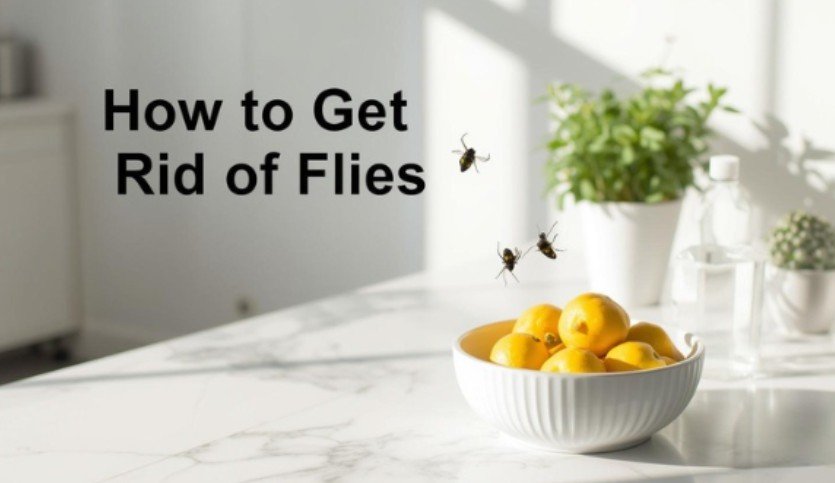
I still remember the morning a single housefly turned my kitchen into a battlefield. I stood there, half awake, watching it zip past my coffee like it paid rent.
That annoying buzz threw off my entire routine. I tried a quick swat, missed, and immediately muttered the words every frustrated homeowner has whispered at least once: I need to figure out how to get rid of flies.
That day changed everything because I stopped reacting and started understanding what attracts them in the first place. Since then, I’ve become the person friends text when they spot a fly circling their fruit bowl. I know exactly what works, what fails, and what keeps them away for good.
Why Do Flies Keep Showing Up in My House?
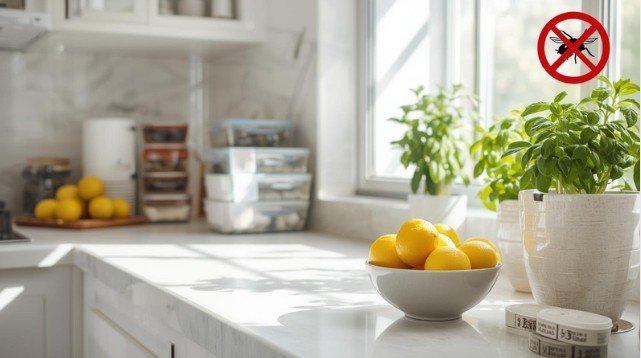
I asked myself this question when I first dealt with recurring flies. I cleaned what I thought mattered, but the flies always returned. Once I paid attention to what they actually want—decaying organic matter, warmth, moisture, and easy access—everything finally clicked.
Flies love any space that lets them feed and breed without effort. If I leave food scraps on the counter, they show up. If I slack on taking out the trash, they multiply. When drains smell funky, they decide to stay longer. Every little thing becomes an opportunity for them. Once you understand that flies always follow resources, you start seeing your home differently.
You also notice how quickly flies breed. A single female lays hundreds of eggs. That means sanitation matters just as much as swatting. If I don’t remove what attracts them, traps and sprays only work temporarily. Once I tackled both the adult flies and the breeding sources, the entire problem changed.
What Should I Fix First When Figuring Out How to Get Rid of Flies?
The first step always involves prevention, even if you already see flies buzzing around. When I committed to tightening my cleaning habits, I saw results faster than any trap or repellent could deliver.
I start with the kitchen because that area attracts the most flies. I wipe down counters, put leftovers away, and keep all produce inside sealed containers or in the fridge. If a banana sits out a little too long, fruit flies treat it like a party invitation. I also learned that pet food acts like a buffet for them, so I avoid leaving bowls filled for hours.
Managing trash makes a huge difference. I only buy bins with tight-fitting lids, and I wash them regularly so old spills don’t create hidden breeding spots. Outdoor bins matter too. If they sit in sunlight, they heat up and smell stronger. I now keep mine in a shaded corner away from doors.
I also treat moisture seriously. A fly sees a damp rag, a leaky faucet, or a wet sponge as a perfect hangout. So I fix leaks quickly and avoid leaving soaked items around. Once I reduced moisture, I noticed fewer flies lingering near sinks and drains.
How Do I Stop Flies from Entering My Home at All?
Blocking their entry gave me some of the fastest improvements. I started with window screens because even a tiny tear becomes a doorway for flies. Once I repaired mine, I stopped seeing stray flies in the living room.
I also sealed gaps around doors and windows using weather stripping and caulk. The difference stunned me. Areas near utility pipes, dryer vents, and outdoor faucets often hide small cracks that flies use without hesitation. After sealing everything, my home felt tighter and calmer.
I also changed how I use my doors. I never leave them open while bringing groceries in. When I need fresh air, I use magnetic mesh screens that close automatically. Small changes like these keep flies from treating your home as their personal highway.
What Are the Best Traps When You Want Fast Results?

Once sanitation and exclusion feel solid, traps become incredibly effective. I rely on a mix of commercial and DIY options depending on the type of flies I’m dealing with.
Sticky traps catch flies quietly and constantly. I hang them near windows where flies naturally gather. They fill up quickly in summer, which always reminds me how many flies try to sneak in daily.
UV light traps work beautifully indoors, especially in kitchens. The light attracts flies instantly, and the glue board traps them without noise. I love using these at night because I wake up to fewer pests buzzing around cereal boxes.
Bait traps with pheromones work well for outdoor spaces or garages. These traps lure and lock flies inside so they can’t escape. They help reduce large populations around patios and entry points.
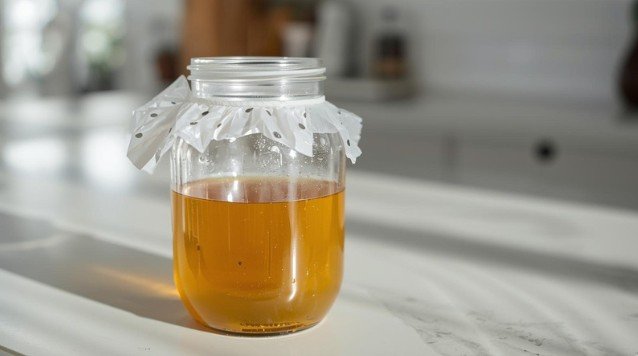
DIY traps work just as well. My go-to is the apple cider vinegar trap. Flies can’t resist the scent, and the dish soap makes them sink. Another option is the paper cone trap with overripe fruit. It costs almost nothing and works every single time.
How-To: My Step-by-Step Routine for How to Get Rid of Flies Fast
Step 1: Remove everything the flies want.
When a fresh wave of flies shows up, I jump straight into cleanup mode. I clear food scraps, wash dirty dishes, put away fruit bowls, and close any open bins. I never start traps until the kitchen feels clean and sealed because flies always return to whatever they find first.
Step 2: Clean the trash cans inside and out.
I pull out the liners, scrub the can with soap or disinfectant, and rinse it well. Then I step outside and check the outdoor bin. If the outdoor bin smells bad or holds old spills, I clean that too because the odor travels and attracts more flies.
Step 3: Treat the drains so flies lose their favorite hiding spots.
I pour an enzyme-based cleaner into each drain to break down the organic buildup. Drain flies love that gunk, so I make sure the product reaches deep enough to dissolve it. After the cleaner finishes working, I run hot water for a few minutes to flush everything out.
Step 4: Set traps where they work best.
Once cleaning feels complete, I place traps in different parts of the room. I always set the apple cider vinegar trap near the sink because fruit flies gather there. I hang a sticky trap next to the window where houseflies hover. Then I plug in a UV trap across the room so it covers the wider space. I like spreading them out because flies don’t move in predictable ways.
Step 5: Knock down the stubborn flies with soapy water.
If I still see flies after a full day, I grab a spray bottle filled with soapy water. A quick mist makes them drop instantly because the soap coats their wings. I do this sparingly, but it helps when a few stubborn ones refuse to land in traps.
Step 6: Maintain the space daily so the problem doesn’t return.
Once the population drops, I focus on small daily habits. I wipe counters, empty trash before it smells, keep produce sealed, and check drains weekly. These tiny steps stop flies from taking over again and make the whole routine easier the next time they show up.
FAQs: Real Questions People Always Ask Me
Why do I suddenly have so many flies in my kitchen?
Most sudden fly explosions come from a forgotten food source. It could be an overripe banana, a sticky trash can lid, or a drain with organic buildup. Once flies find it, they lay eggs, and you notice the adults soon after. When I remove the source, clean thoroughly, and place traps, the number drops quickly.
Do essential oils really help with flies?
Yes, essential oils work when you use them consistently. Flies dislike peppermint, lavender, eucalyptus, and basil. I use diffusers in common areas and spray a mix of water and peppermint oil near windows. The scent doesn’t kill them, but it discourages them from entering or hanging around.
Are insecticides safe for indoor fly control?
Indoor fly sprays work well for quick knockdown, and I use them sparingly. I always choose products labeled for indoor use because outdoor insecticides release harsh chemicals that don’t belong inside a home. I spray only when necessary and ventilate afterward to keep the space safe.
When should I call a professional?
If the flies keep returning after thorough cleaning, sealing, and trapping, I call a professional. A hidden breeding source—like a dead rodent or deep pipe issue—can keep the cycle going. Experts know how to locate and treat these hidden spots faster than DIY methods.
My Final Buzz-Off Moment: The Only Way Flies Lose
If you want lasting results, treat fly control like a routine instead of a reaction. Once you understand how to get rid of flies using sanitation, sealing, and smart traps, everything becomes easier.
You also stop stressing about every tiny buzz. Stay consistent, trust the process, and enjoy a quieter, cleaner home.
Tiny tip to end on: Keep a vinegar trap ready during summer. It works every time, and your future self will thank you.