

When expanding your business operations or enhancing your property, one of the first and most critical decisions you’ll face is whether to build a permanent facility or opt for a temporary solution. It’s a choice that impacts everything from your immediate budget and timeline to your long-term flexibility and property value.
Defining Temporary Structures: Characteristics & Uses
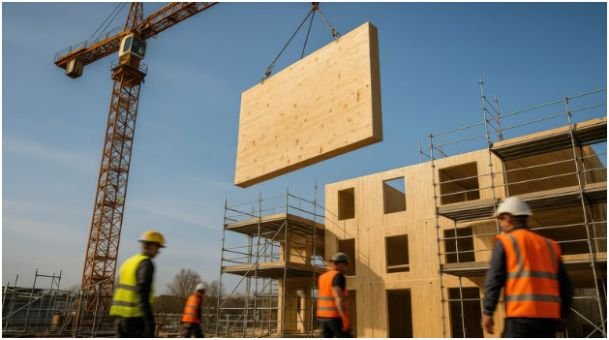
Temporary structures are designed for short-to-medium-term use and are typically demountable, meaning they can be disassembled and relocated. Unlike traditional buildings, they generally do not rely on a permanent concrete foundation.
Instead, they often use anchoring systems that allow them to be installed on existing surfaces like asphalt, concrete, or even compacted soil.
Common examples include:
- Fabric structures: Heavy-duty PVC fabric tensioned over an aluminum or steel frame, often used for event tents, temporary warehouses, or sports facilities.
- Modular buildings: Prefabricated units that can be stacked or joined, frequently used for classrooms, job site offices, or medical clinics.
- Inflatable structures: Air-supported domes used for sports or bulk storage.
The primary appeal here is speed. These structures can often be erected in days or weeks rather than months, allowing businesses to react quickly to market changes or operational needs.
Exploring Permanent Structures: Characteristics & Uses
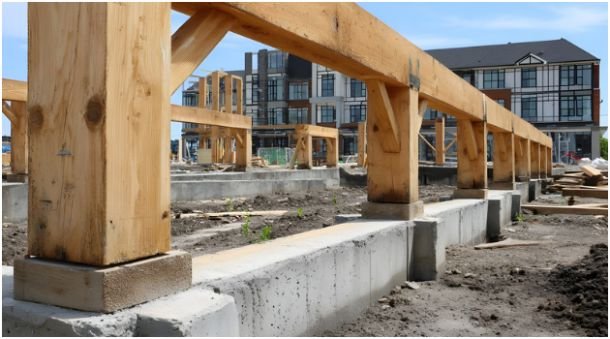
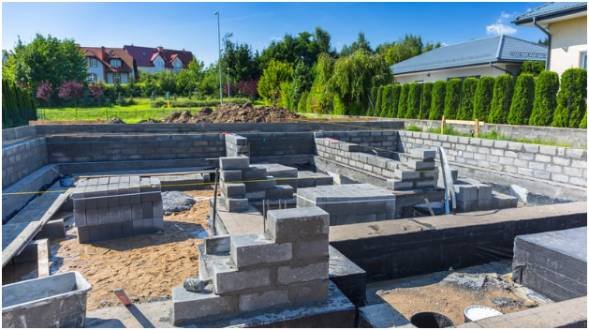
Permanent structures are built to last indefinitely. They are constructed using traditional materials like concrete, steel, brick, and wood, and they are anchored to a specifically engineered foundation. These buildings are designed to withstand local environmental loads (wind, snow, seismic activity) for decades.
Examples include:
- Steel-framed warehouses: Durable industrial spaces designed for heavy manufacturing or logistics.
- Brick-and-mortar offices: Traditional commercial buildings.
- Retail centers: Custom-built spaces designed for long-term tenant occupancy.
Permanent structures are integrated into the real estate. They become a fixed asset on the property, contributing to its valuation and offering maximum durability and customization.
Key Considerations for Property Owners
Choosing between temporary and permanent isn’t just about the building itself; it’s about how that building fits into your business strategy.
Speed of Deployment
If you have an immediate need—such as an overflow of inventory or a disaster relief requirement—temporary structures are the clear winner. The permitting process is often faster (though still required), and construction happens rapidly. Permanent structures require extensive site prep, foundation work, and longer construction timelines.
Duration of Need
How long do you need the space? If the timeline is less than three years, a temporary solution is usually more cost-effective. If you anticipate using the facility for five, ten, or twenty years, the maintenance costs of a temporary structure might eventually outweigh the initial savings, making a permanent build the better investment.
Budget and Cash Flow
Temporary structures typically have lower upfront costs and can often be leased, which moves the expense from Capital Expenditure (CapEx) to Operational Expenditure (OpEx). This can be advantageous for tax purposes and cash flow management. Permanent structures require significant capital investment but add long-term equity to your property.
Factors Influencing the Decision
Beyond the basics of time and money, several other factors should influence your choice.
- Site Conditions: Is the ground level? Do you own the land or are you leasing? You might not be allowed to pour a permanent foundation on leased land, making a temporary structure the only viable option.
- Aesthetics: While temporary structures have come a long way, they still look distinct. If brand image and architectural permanence are crucial—for example, a corporate headquarters—a permanent building offers superior design control.
- Climate Control: Permanent buildings generally offer better inherent insulation and energy efficiency. While temporary structures can be insulated and HVAC-equipped, maintaining temperature in extreme climates can be more energy-intensive and costly over time.
Benefits and Drawbacks of Temporary Structures
Pros:
- Flexibility: They can be expanded, reduced, relocated, or removed completely as business needs change.
- Speed: Rapid installation minimizes business disruption.
- Cost-Efficiency: Lower initial costs and potential tax advantages through accelerated depreciation.
Cons:
- Durability: While strong, they generally have a shorter lifespan than permanent buildings and may require more frequent maintenance (e.g., fabric replacement).
- Perception: They may not convey the same sense of stability or prestige to clients as a permanent edifice.
If you are looking for a middle ground—something that offers durability but remains relocatable—you might look into portable metal buildings for sale in Lake Charles, LA. These offer the strength of steel with the flexibility of a temporary asset, bridging the gap between a fabric tent and a permanent warehouse.
Benefits and Drawbacks of Permanent Structures
Pros:
- Longevity: Built to last 50+ years with minimal structural maintenance.
- Asset Value: Increases the appraisal value of the real estate.
- Customization: Infinite possibilities for layout, finishes, and systems integration.
Cons:
- Inflexibility: Once it’s built, it’s there. Relocating is impossible, and renovating is costly.
- Time Commitment: The process from design to occupancy is lengthy.
- Upfront Cost: Requires substantial initial capital and creates a higher property tax burden and common landscaping mistakes that can cost your money.
Regulations and Permits
A common misconception is that temporary structures do not require permits. In most jurisdictions, this is false.
If a structure is going to stand for more than a few days (the exact duration varies by municipality), you will likely need a permit. However, the requirements for temporary structures are often less stringent regarding foundations and long-term utility connections compared to permanent buildings.
Permanent structures face rigorous zoning laws, building codes, environmental impact assessments, and fire safety regulations. Navigating this red tape is part of why the timeline for permanent construction is so extended. Always consult with local planning authorities early in the process, regardless of which path you choose.
Conclusion
Choosing between temporary and permanent structures depends on your needs. Temporary structures offer flexibility for growing businesses, seasonal changes, or leased land.
Permanent construction is ideal for established companies seeking durability, asset value, and specialized spaces. Balance costs, flexibility, and long-term goals to find the right fit for your business.