

People today need dependable internet access because they use it for their work activities and their educational needs and their communication requirements and their entertainment purposes. The service interruptions that occur when households need constant internet access create both annoyance and reduced work efficiency. Modern fiber technology uses advanced infrastructure development and intelligent network management to solve existing problems. Higher reliability supports smoother communication and better daily efficiency. Understanding how these systems achieve near continuous uptime helps users make informed connectivity choices.
Network Reliability
Reliable connectivity depends on advanced infrastructure and careful system design. Many providers improving services such as fibre internet markham focus on stronger cables, better routing, and continuous monitoring. These upgrades reduce outages caused by congestion or signal loss. Fiber lines also resist interference more effectively than older technologies. Consistent maintenance ensures stable performance for long term connectivity.
Redundancy Systems
Strong backup design helps networks remain active even when unexpected faults occur. These protective systems maintain stable connections.
- Secondary cable routes allow traffic redirection when primary network pathways face temporary disruption
- Automated switching systems restore service quickly without noticeable user interruption during faults
- Continuous monitoring tools detect early issues before they affect normal connection stability
- Distributed infrastructure spreads network load evenly to reduce localized service interruptions
Smart Monitoring
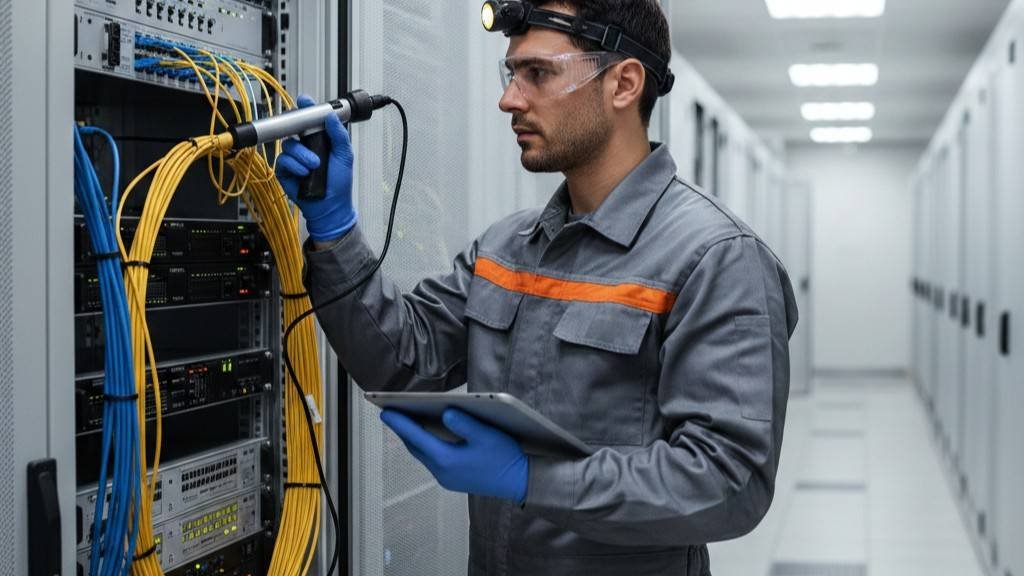
Continuous supervision enables providers to identify problems at their first appearance. The system utilizes sensors and software to monitor traffic patterns and equipment health conditions throughout the day.
Early detection enables organizations to stop minor faults from developing into major system failures. The system achieves better reliability through fast responses which maintain user connectivity. These systems also help optimize network performance during peak usage periods.
Speed Stability
Performance consistency remains important for dependable fiber connections. Stable speed improves productivity and reduces frustration during online tasks.
- Balanced bandwidth allocation supports smoother browsing and consistent video communication without interruptions
- Signal optimization techniques maintain connection strength even during heavy network usage periods
- Updated hardware reduces latency which improves real time communication efficiency
- Intelligent traffic management prevents congestion that could otherwise affect service stability
Infrastructure Quality

Fiber cables use advanced materials designed for durability and efficiency. These cables transmit data as light signals, reducing interference risks. Fibre cables use durable materials supporting sustainable sourcing strategies.
Strong physical design helps prevent weather or environmental damage. Routine inspections ensure networks remain dependable. Reliable infrastructure forms the foundation for high uptime levels.
User Awareness
User habits also influence connection stability. Understanding basic maintenance practices helps maintain consistent performance.
- Secure router placement improves signal strength and reduces unnecessary connection fluctuations
- Regular software updates protect devices and improve compatibility with network technology
- Checking cables periodically prevents unnoticed wear that may affect connection quality
- Responsible bandwidth usage supports stable performance for all connected household devices
Future Networks
Modern fiber systems continue evolving through better monitoring, improved infrastructure, and efficient data routing. Service providers analyzing trends such as fibre internet markham often refine their strategies to maintain consistent uptime and reliable connectivity.
Careful planning, strong equipment, and informed user habits together support dependable service. Choosing well maintained fiber networks helps households reduce disruptions. Consistent reliability ultimately supports smoother communication and productive daily routines.
Frequently Asked Questions
1. What makes fiber internet highly reliable?
Fiber cables resist interference and allow faster fault detection compared with older technologies.
2. How close is 99.9 percent reliability?
It means minimal downtime, usually only short interruptions during maintenance or unexpected issues.
3. Does monitoring improve network performance?
Yes, early detection helps providers resolve issues before they impact users.
4. Can home setup affect connection stability?
Proper router placement and updates help maintain consistent network performance.
5. Is fiber suitable for heavy usage households?
Yes, fiber networks handle multiple devices efficiently with stable speed and reliability.