
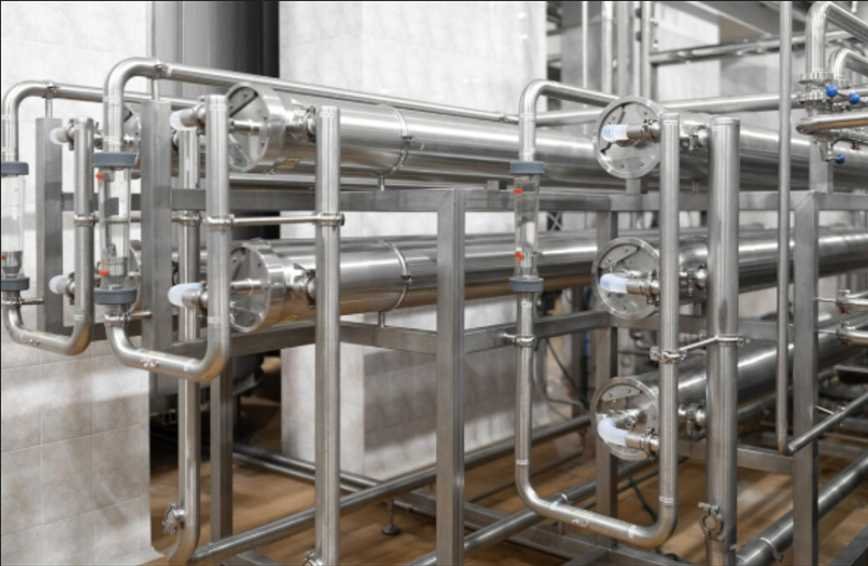
Food safety stands as the absolute priority in any processing facility. From dairy plants to commercial bakeries, the risk of contamination is a constant concern that manufacturers must manage vigilantly. The materials used in production lines play a critical role in maintaining hygiene standards.
Among these materials, stainless steel tubing has emerged as the industry standard for transporting liquids, gases, and semi-solids. Its unique properties make it indispensable for ensuring that the food on our tables is safe and of high quality.
This article explores why stainless steel tubing is the preferred choice for food manufacturing, focusing on its hygiene benefits, corrosion resistance, and durability.
The Critical Role of Hygiene in Production Lines
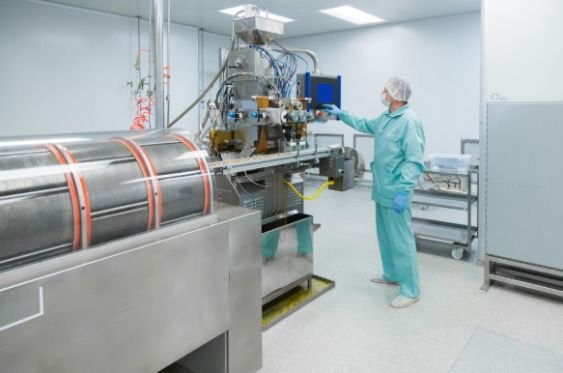
Hygiene in food manufacturing is not just about cleaning surfaces. It involves preventing the buildup of bacteria and other pathogens within the systems that move products from one stage to another. Tubing systems are particularly vulnerable because they are enclosed.
You cannot easily see inside a pipe to check for residue. This is where material selection becomes vital. Stainless steel offers a non-porous surface that is incredibly smooth. Unlike plastics or other metals that may have microscopic pits or cracks, high-quality stainless steel provides nowhere for bacteria to hide.
This smoothness allows for effective Clean-in-Place (CIP) procedures. Manufacturers can flush cleaning solutions through the system at high temperatures and velocities, confident that the smooth interior walls will release any product buildup. This capability drastically reduces the risk of cross-contamination between batches.
Resistance to Corrosion and Chemical Reactions
Food products can be surprisingly aggressive. Many acidic foods, such as tomato sauces, citrus juices, and carbonated beverages, can corrode lesser metals over time. Corrosion leads to two major problems: it weakens the structural integrity of the tubing, and it introduces metal contaminants into the food product.
Stainless steel, particularly grades like 304 and 316, contains chromium and nickel. These elements create a passive layer on the surface of the metal that repairs itself in the presence of oxygen. This layer acts as a shield against acidic and alkaline substances.
Furthermore, stainless steel is inert. It does not react chemically with food products. This ensures that the flavor, color, and nutritional value of the food remain unaltered during processing. A consumer expects a consistent taste every time they buy a product, and inert tubing helps manufacturers deliver that consistency without metallic aftertastes or chemical leaching.
Durability Under Extreme Conditions
Food processing environments are harsh. Equipment must withstand extreme temperature fluctuations, from freezing cold refrigeration lines to boiling hot sterilization processes. The thermal shock that occurs when switching rapidly between these extremes can cause other materials to crack or warp.
Stainless steel maintains its structural integrity across a wide temperature range. It does not become brittle in cold environments, nor does it lose strength significantly at high heat. This durability ensures that production lines can operate continuously without frequent downtime for repairs.
Additionally, the physical strength of steel tubing protects against external impacts. In a busy factory floor, accidental bumps and scrapes are common. Robust tubing resists dents and punctures that could otherwise create harbor points for bacteria or lead to leaks.
Compliance with Regulatory Standards
Regulatory bodies worldwide have strict guidelines regarding materials that come into contact with food. Compliance is not optional; it is a legal requirement for operation. Stainless steel is widely recognized and accepted by organizations such as the FDA and the USDA.
Using compliant materials simplifies the audit process and demonstrates a commitment to consumer safety. For facilities located in specific regions, local codes might also dictate specific installation practices or material grades.
For example, a facility needing special piping in Utah would need to adhere to local seismic codes and specific state health department regulations regarding installation and welding standards. Regardless of location, stainless steel remains the universally accepted baseline for compliance.
Sustainability and Long-Term Value

While the initial investment in stainless steel tubing might be higher than alternative materials, the long-term value is undeniable. Its longevity means that facilities replace piping less frequently, reducing waste and material consumption over time.
Moreover, stainless steel is 100% recyclable. At the end of its long service life, the material can be reclaimed and repurposed without degradation of its properties. This aligns with the growing emphasis on sustainability within the food and beverage sector.
Manufacturers can reduce their environmental footprint simply by choosing durable, recyclable infrastructure components.
Conclusion
The safety and quality of processed food depend heavily on the infrastructure used to produce it. Stainless steel tubing offers a combination of hygiene, durability, and chemical resistance that is unmatched by other materials.
By preventing bacterial growth, resisting corrosion, and withstanding harsh processing conditions, it acts as a silent guardian of public health disorders. For food manufacturers, investing in high-quality stainless steel tubing is not just an operational decision; it is a commitment to delivering safe, high-quality products to consumers every single day.