Managing a commercial space is complex. With so many daily tasks, long-term safety planning often gets overlooked. However, a single oversight, like a frayed wire or blocked exit, can lead to costly disasters. Proactive risk management isn’t just about reacting to emergencies, but preventing them. This guide will help you identify vulnerabilities and implement preventive measures to protect your assets and people.
Identifying Potential Risks
Before you can solve a problem, you have to know it exists. Risk identification is the cornerstone of any safety strategy. Commercial spaces face a unique set of challenges compared to residential properties due to higher foot traffic, complex machinery, and valuable inventory.
What are common hazards in commercial buildings?
Common hazards include fire, theft, structural failure, and liability accidents like slips and trips.
Commercial buildings are dynamic environments. The risks change depending on the industry, but several hazards are universal.
- Fire Hazards: Overloaded circuits, improper storage of flammable materials, and kitchen accidents are leading causes of commercial fires.
- Security Breaches: Theft, vandalism, and unauthorized entry threaten not just physical stock but also sensitive data and employee safety.
- Structural and Environmental Issues: Leaking roofs, black mold, or faulty HVAC systems can lead to health code violations and expensive repairs.
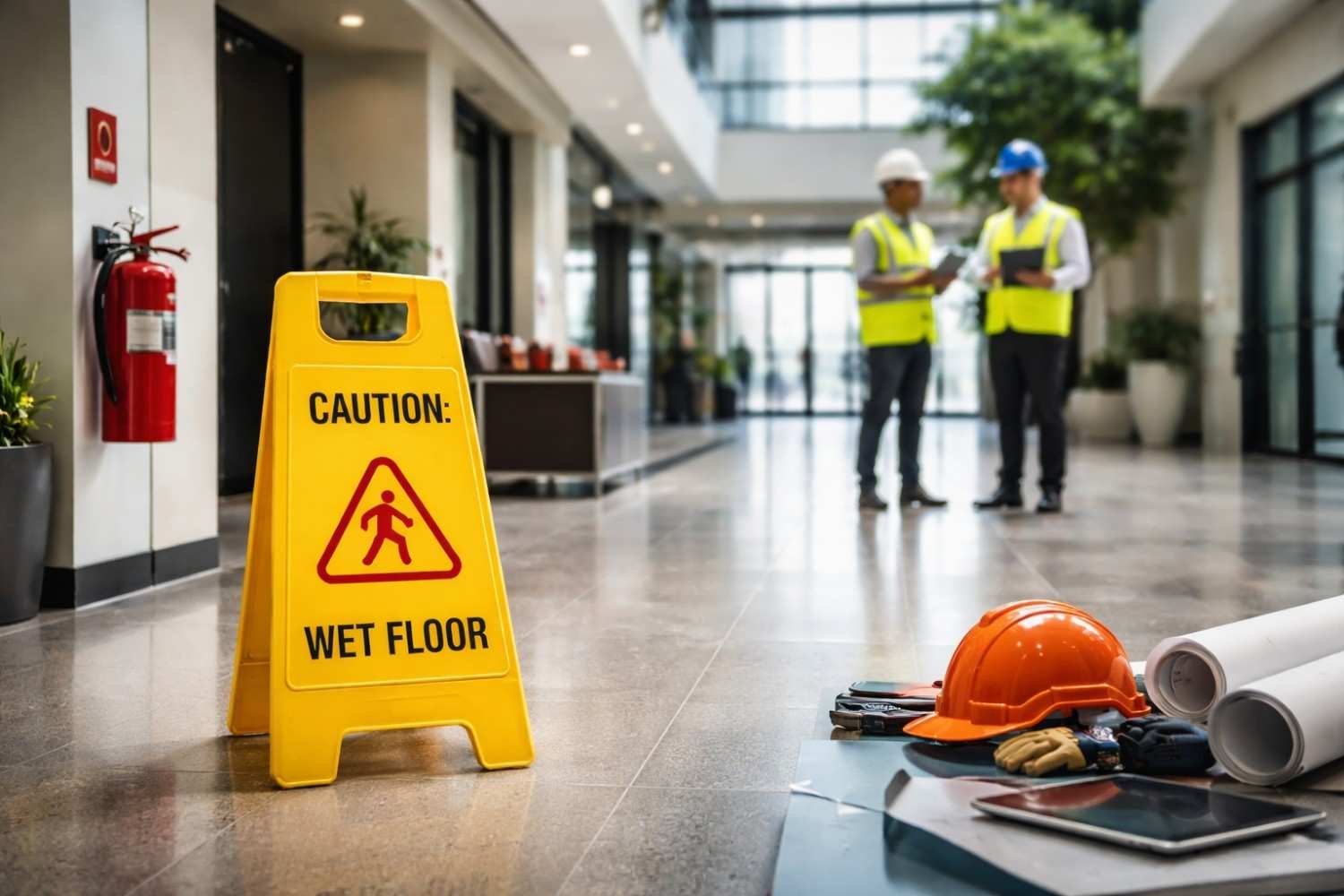
- Liability Accidents: Wet floors, poorly lit parking lots, or uneven walkways often result in “slip and fall” lawsuits, which can be financially devastating.
How to conduct a risk assessment
A risk assessment is a thorough examination of what could cause harm to people or property in your workspace. It isn’t a one-time event but a regular process that evolves with your business.
Start by walking through the premises. Look for the obvious dangers first: blocked fire exits, trailing cables, or loose carpet. Next, talk to your employees. They work in these spaces daily and often notice risks that management might miss, such as a back door that doesn’t latch properly or a piece of equipment that overheats.
Once you have identified the hazards, evaluate the likelihood of them happening and the severity of the consequences. This helps prioritize which issues need immediate attention. Finally, document your findings. A written record is essential for tracking improvements and demonstrating due diligence to inspectors and insurance providers.
Implementing Preventive Measures
Identifying risks is only half the battle. The next step is taking concrete action to mitigate them. Effective prevention relies on a combination of physical upgrades, strict protocols, and consistent maintenance.
How can you implement effective preventive measures?
You can implement preventive measures by installing safety equipment, securing entry points, maintaining critical systems, and training staff.
Fire safety protocols and equipment
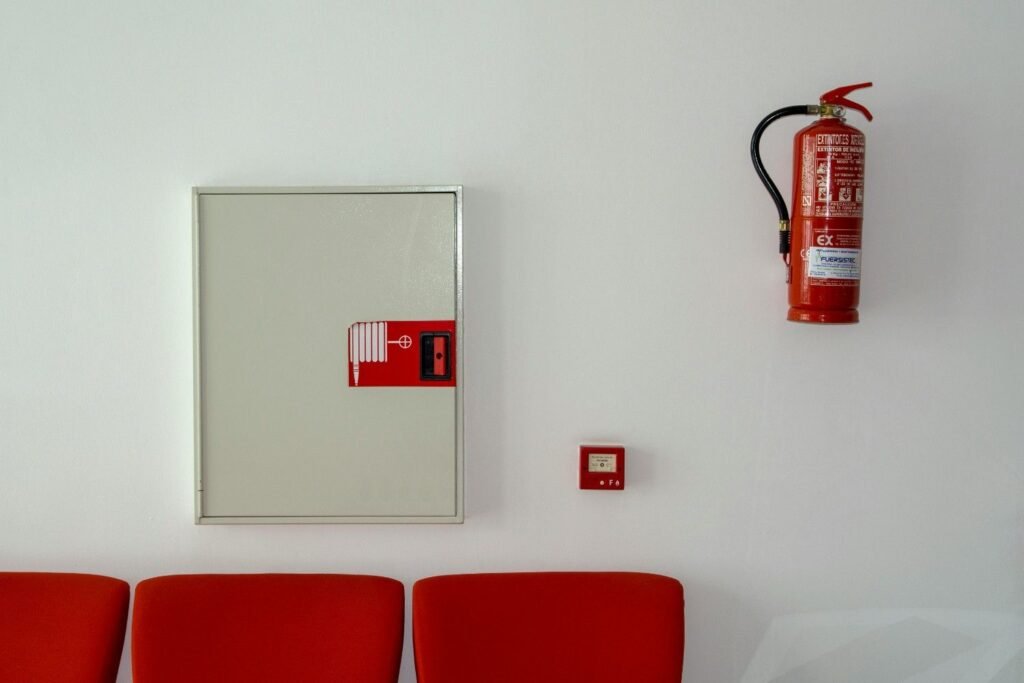
Fire safety is non-negotiable. Compliance with local fire codes is the bare minimum; true safety requires a proactive approach. Ensure that smoke detectors and fire alarms are tested monthly and that fire extinguishers are readily available and within their expiration dates.
Sprinkler systems should be inspected annually by professionals. Beyond equipment, establish clear evacuation routes. Mark these routes with illuminated exit signs and keep them free of clutter. Regular fire drills ensure that in the panic of a real emergency, everyone knows exactly where to go.
Security systems and access control
Modern security goes beyond a lock and key. Integrated security systems provide real-time monitoring and deterrence. High-definition CCTV cameras act as a strong deterrent to theft and can provide crucial evidence if a crime occurs.
Access control systems are equally vital. Instead of traditional keys, which can be lost or copied, consider keycard or biometric entry systems. These allow you to control who enters specific areas of your building and at what times. If an employee leaves the company, their access can be revoked instantly without the need to re-key the entire building.
Maintaining secure electrical systems
Electrical fires are among the most common and damaging disasters in commercial properties. Commercial electrical systems are under constant load, powering servers, HVAC units, lighting, and machinery. Over time, connections loosen, and insulation degrades.
Regular inspections are critical. You should partner with a reliable contract electrician, such as those in South Jordan, who can perform scheduled maintenance and thermal imaging inspections. These professionals can spot “hot spots” in your electrical panel before they spark a fire. They ensure your wiring meets current codes and can handle the load of new equipment, preventing outages and hazardous failures.
Employee training and emergency preparedness
Your best defense against risk is a well-trained team. Safety protocols are useless if no one knows how to follow them. Training should start on day one of onboarding and continue with regular refreshers.
Staff should know how to handle hazardous materials, operate machinery safely, and recognize suspicious activity. Emergency preparedness goes further. Create a comprehensive emergency response plan that covers natural disasters, medical emergencies, and active threats. Assign specific roles to employees, such as “floor wardens” who ensure their designated areas are evacuated. When employees feel confident in their ability to handle a crisis, panic is reduced, and outcomes improve.
Insurance and Liability
Even with the best planning, accidents can happen. This is where the financial safety net of insurance comes into play. Understanding your coverage and legal liabilities is the final piece of the risk management puzzle.
How do insurance and liability fit into risk management?
Insurance transfers the financial burden of risk, while liability management reduces the legal chances of being sued.
Understanding commercial insurance policies
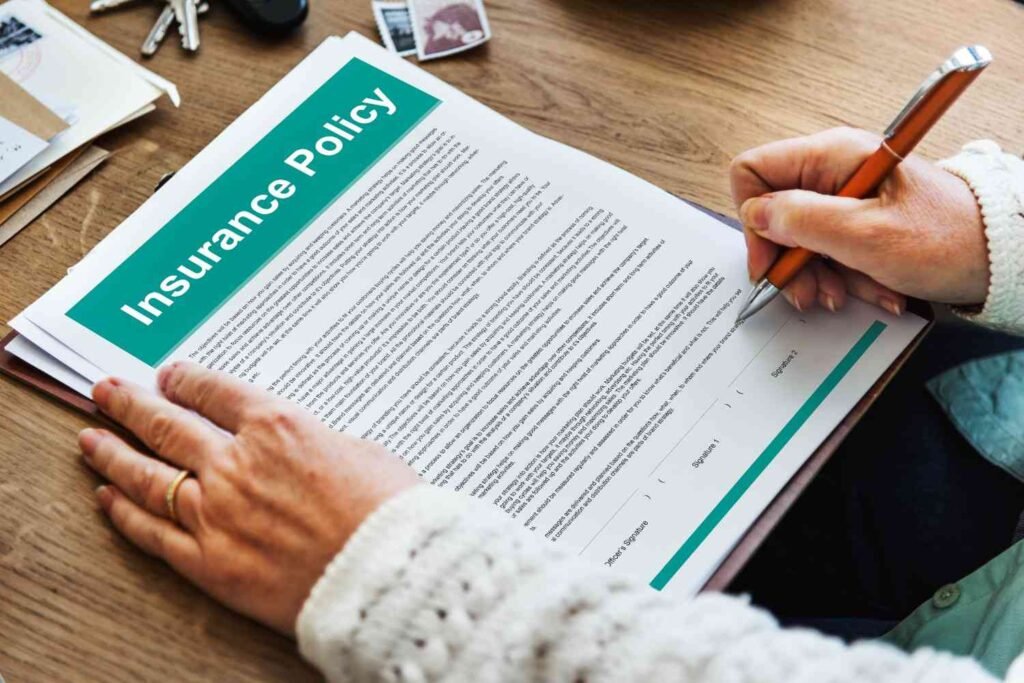
Commercial insurance is not one-size-fits-all. A standard policy might cover property damage and general liability, but it may exclude specific risks relevant to your business, such as flood damage or cyberattacks.
Review your policy annually. As your business grows—perhaps you’ve added a new fleet of vehicles or expanded your warehouse—your coverage needs to expand with it. Business Interruption Insurance is particularly valuable; it covers lost income if your business is forced to close temporarily due to a covered disaster, ensuring you can still pay bills and payroll while you recover.
Minimizing liability through compliance
Liability often stems from negligence. If a court finds that you failed to take reasonable care to prevent an accident, your business could be held responsible for damages.
Compliance with all local, state, and federal regulations is your best defense. This includes building codes, health and safety regulations (OSHA), and accessibility standards (ADA). Keep detailed records of all maintenance, inspections, and training sessions. If an incident occurs, these records serve as proof that you took proactive steps to maintain a safe environment.
Conclusion
Reducing risk in commercial spaces is an ongoing commitment to safety and stability. It requires looking beyond the immediate demands of the day to anticipate the challenges of tomorrow. By identifying hazards early, investing in professional maintenance, and empowering your team with knowledge, you create a workspace that is not only safer but also more efficient.