

Living with rheumatoid arthritis (RA) often feels like a constant negotiation with your own body. Some days are manageable, allowing you to go about your routine with minimal discomfort. Other days, the stiffness and pain can be overwhelming, making even simple tasks feel like hurdles.
1. Prioritize Low-Impact Exercise
When your joints are stiff and painful, the last thing you might want to do is move. However, movement is actually one of the best medicines for arthritis. Exercise helps maintain joint flexibility, strengthens the muscles that support your joints, and combats fatigue.
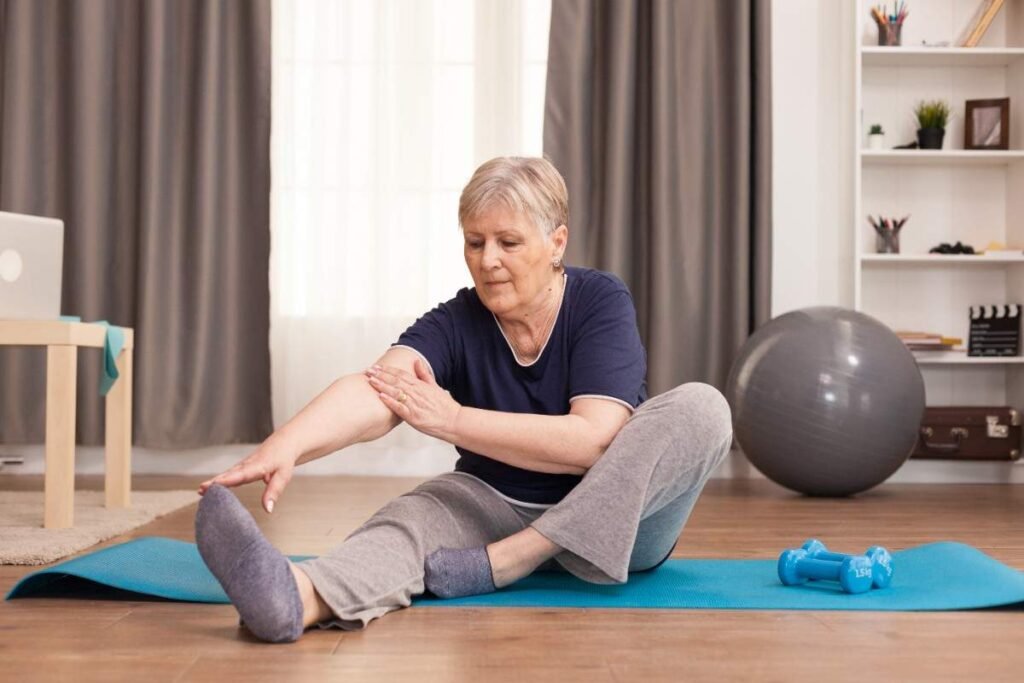
The trick is to choose the right kind of activity. High-impact exercises like running or jumping can put too much stress on vulnerable joints. Instead, focus on low-impact activities that get your heart rate up without the pounding.
What are the best exercises for RA?
- Swimming and Water Aerobics: The buoyancy of water supports your weight, taking the pressure off your joints while providing resistance for muscle strengthening.
- Walking: A simple, free, and effective way to keep joints mobile. Ensure you have supportive footwear.
- Yoga and Tai Chi: These gentle practices focus on slow, controlled movements, balance, and flexibility, which can significantly reduce stiffness.
Always consult with your doctor or physical therapist before starting a new exercise regimen to ensure it is safe for your specific condition.
2. Embrace Anti-Inflammatory Nutrition
What you put on your plate can play a significant role in how you feel. While no specific diet cures RA, certain foods have been shown to fight inflammation, strengthen bones, and boost the immune system.
Adopting an anti-inflammatory diet often involves following the principles of the Mediterranean diet. This approach emphasizes whole, unprocessed foods.
Which foods fight inflammation?
- Fatty Fish: Salmon, mackerel, sardines, and trout are rich in omega-3 fatty acids, which are potent anti-inflammatory agents.
- Fruits and Vegetables: Berries, leafy greens like spinach and kale, and cruciferous vegetables like broccoli are packed with antioxidants that support immune health.
- Whole Grains: Oats, brown rice, and quinoa can lower levels of C-reactive protein (CRP), a marker of inflammation in the blood.
- Healthy Fats: Olive oil and nuts are excellent sources of monounsaturated fats.
Conversely, try to limit processed foods, sugary drinks, and excessive red meat, as these can trigger inflammation and exacerbate symptoms.
3. Utilize Hot and Cold Therapies
Sometimes the simplest remedies are the most effective. Heat and cold therapy are accessible, inexpensive ways to manage pain and stiffness at home.
Heat Therapy: Heat helps relax muscles and lubricate joints. It is particularly useful for morning stiffness.
- Take a warm shower or bath in the morning.
- Use a heating pad or warm towel on stiff joints for 15-20 minutes.
- Dip stiff hands in warm paraffin wax.
Cold Therapy: Cold is best for acute pain and swelling. It constricts blood vessels and numbs the area.
- Apply an ice pack wrapped in a cloth to swollen joints for 10-15 minutes.
- Use a bag of frozen peas for a flexible ice pack that molds to the joint.
Alternating between heat and cold can also be effective. Listen to your body to see which method provides the most relief for your specific symptoms.
4. Manage Stress and Mental Health
Chronic pain and stress often go hand in hand. Pain can cause stress, and stress can tense up muscles and increase pain perception. Breaking this cycle is crucial for managing RA.
Incorporating relaxation techniques into your daily routine can help lower stress levels and reduce pain.
How can I reduce stress-induced pain?
- Mindfulness Meditation: Practicing mindfulness can help you focus on the present moment and change how your brain processes pain signals.
- Deep Breathing Exercises: simple breathing techniques can calm the nervous system and relax tense muscles.
- Guided Imagery: Visualizing a peaceful scene can distract the mind from pain and promote relaxation.
If you find that anxiety or depression is affecting your ability to cope, speaking with a mental health professional can provide you with additional tools and support.
5. Seek Professional Physical Therapy
While home remedies and lifestyle changes are powerful, professional guidance is often necessary to develop a targeted plan. A physical therapist can teach you how to move correctly to protect your joints and design a personalized exercise program.

If you are looking for specific help for rheumatoid arthritis pain in Glenview, seeking out a local specialist can make a world of difference. They can offer manual therapy, specialized exercises, and modalities like ultrasound or electrical stimulation to provide deeper relief.
Conclusion
Managing rheumatoid arthritis is a journey, not a destination. What works today might need adjustment tomorrow, and that is okay. By incorporating low-impact exercise, nutrition, hot and cold therapy, stress management, and professional care into your life, you build a toolkit of strategies to combat pain.