

Many people view dental care as a complicated or tedious chore. The thought of daily brushing, flossing, and regular dental visits can feel overwhelming. However, maintaining good oral hygiene doesn’t need to be a difficult part of your routine.
By understanding the fundamentals and adopting simple, consistent habits, you can easily protect your smile for a lifetime. This guide breaks down how to simplify your approach to dental care, making it a manageable and effective part of your daily life.
Building a Simple and Effective Daily Routine
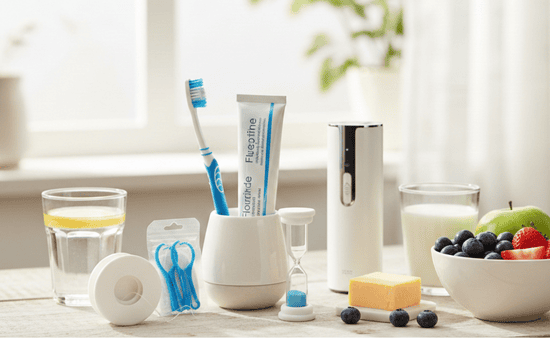
The foundation of good oral health is a consistent daily routine. This doesn’t require a huge time commitment or complex procedures. It is about doing the basics correctly and consistently.
Mastering the Basics: Brushing and Flossing
Brushing your teeth twice a day for two minutes is one of the most effective ways to prevent cavities and gum disease. Use a soft-bristle toothbrush and a fluoride toothpaste. Focus on brushing all surfaces of your teeth: the outer, inner, and chewing surfaces. Gentle, circular motions are more effective and less damaging to your gums than aggressive back-and-forth scrubbing.
Flossing once a day is just as important. It removes plaque and food particles from between your teeth and under the gumline, areas your toothbrush cannot reach. If you find traditional floss challenging, consider using floss picks, interdental brushes, or a water flosser. The key is to find a tool you will use consistently.
The Role of Diet in Oral Health
What you eat and drink has a direct impact on your teeth. Sugary foods and drinks contribute to tooth decay by feeding the harmful bacteria in your mouth. Limiting your intake of soda, candy, and other sweet treats can significantly reduce your risk of cavities.
Instead, opt for a balanced diet rich in fruits, vegetables, and calcium-rich foods, such as milk and cheese, which help strengthen your teeth. Drinking plenty of water, especially after meals, helps rinse away food particles and neutralize acids.
The Importance of Professional Dental Care
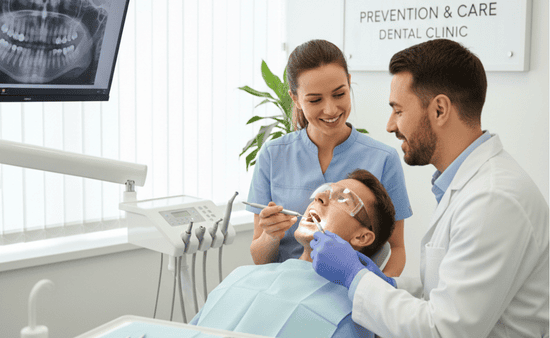
While a solid home-care routine is essential, it is only one part of the equation. Regular visits to a dental professional are necessary for maintaining long-term oral health. These appointments are not just for fixing problems; they are crucial for prevention.
Regular Checkups and Cleanings
It is generally recommended to visit a dentist for a checkup and professional cleaning every six months. During these appointments, a hygienist will remove hardened plaque (tartar) that you cannot remove at home. The dentist will then perform a thorough examination to check for signs of cavities, gum disease, and other potential issues. Catching problems early makes them easier and less expensive to treat.
Addressing Specific Dental Concerns
Your dental team can help you with more than just cleanings. They can provide guidance on specific issues you might be facing, such as tooth sensitivity, bad breath, or dry mouth. They can also offer cosmetic treatments to improve the appearance of your smile, from teeth whitening to orthodontic solutions.
Some practices also offer specialized services for issues such as jaw pain or teeth grinding, utilizing treatments like Botox in Ogden to help relax thejaw muscles. Discussing your concerns with your dentist allows them to create a personalized care plan that meets your unique needs.
Making Dental Care a Lasting Habit
Transforming dental care from a chore into a habit is about mindset and consistency. Find ways to make it convenient. Keep your toothbrush and floss somewhere visible to remind you. Try listening to a two-minute song while you brush to ensure you are doing it for the recommended time.
By focusing on these simple, manageable steps, you can take control of your oral health without feeling overwhelmed. A straightforward daily routine combined with regular professional care is the most effective strategy for maintaining a healthy smile. Dental care doesn’t have to be difficult; it just has to be consistent.