In recent years, the construction industry has seen a significant shift towards sustainability. This movement is in response to growing awareness of the environmental impacts associated with traditional building practices. One area of sustainable innovation that is gaining traction is the use of sustainable roof cladding materials. This approach offers not only an eco-friendly alternative but also long-term cost savings and aesthetic diversity.
The Importance of Sustainable Construction
Sustainable construction is an approach that seeks to minimise the environmental impact of buildings while also contributing to economic efficiency and social development. It encompasses everything from site selection and material sourcing to design and construction methods, ultimately aiming for reduced energy consumption and waste production. As our environmental challenges grow, incorporating sustainability into every aspect of construction becomes increasingly critical.
Understanding Sustainable Roof Cladding
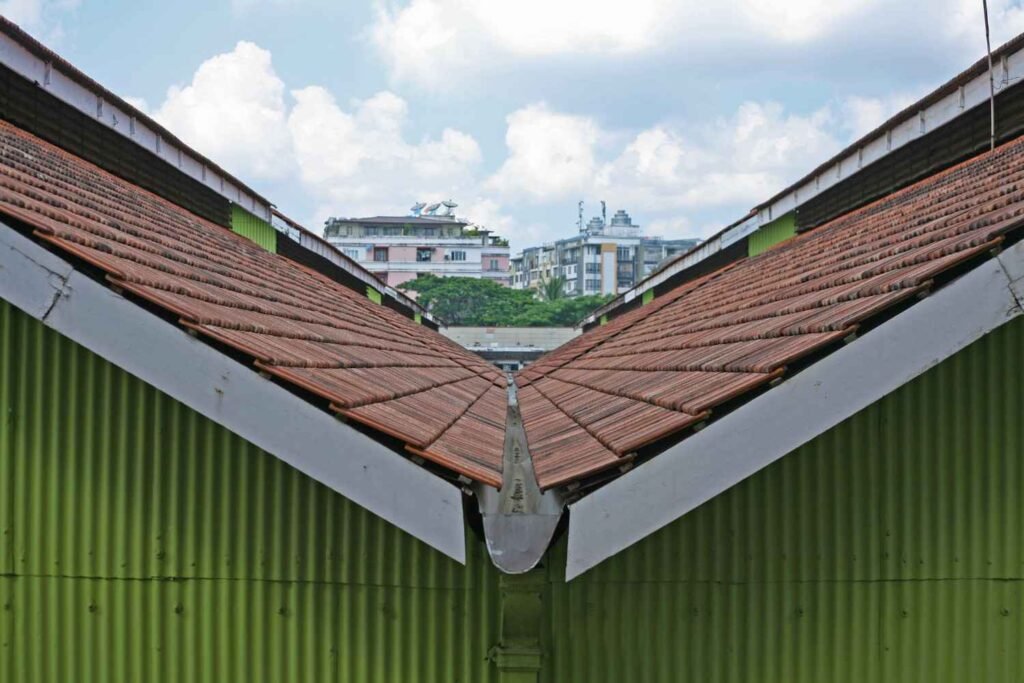
Sustainable roof cladding refers to the outer layer of a roof that is composed of materials selected for their low environmental impact. It includes the use of recycled, recyclable, or renewable materials that offer improved energy efficiency. The focus on sustainability in roofing is crucial because roofs are integral to the overall performance of buildings, influencing thermal regulation, durability, and energy costs.
Advantages of Eco-Friendly Roof Cladding
Adopting sustainable roof cladding provides numerous benefits. Firstly, it reduces the carbon footprint of a building by using materials that are either lower in embodied energy or sourced sustainably. This cladding also tends to have better insulation properties, leading to lower energy consumption for heating and cooling. Furthermore, many eco-friendly cladding options are highly durable, reducing the need for maintenance or replacement and thus lessening waste over the lifespan of the building.
Materials Used in Sustainable Roof Cladding
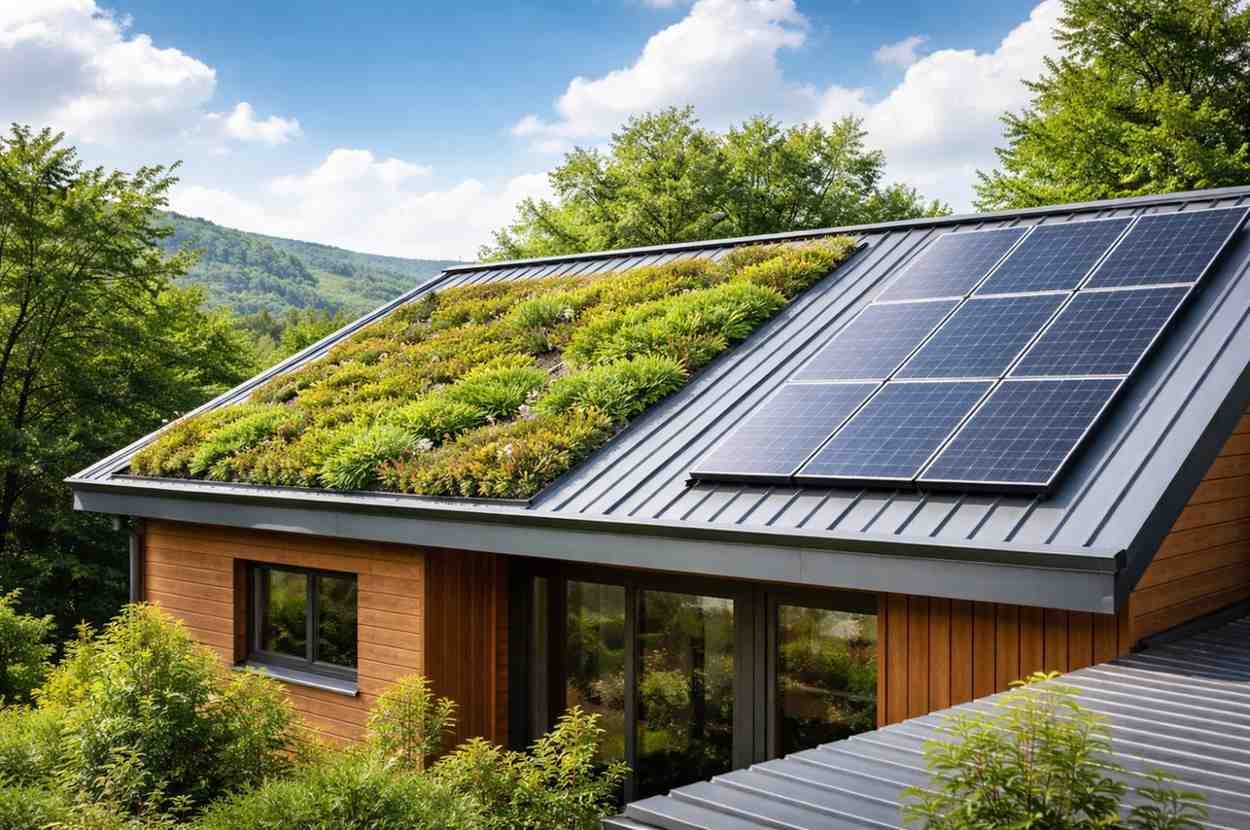
Materials commonly used in sustainable roof cladding include recycled metal panels, green roofs planted with vegetation, sustainable wood, and even rubber tiles made from recycled tyres. These materials are not only environmentally friendly but also versatile, enabling architects and builders to create unique and aesthetically pleasing designs.
Choosing a Sustainable Roof Cladding Company
Selecting a sustainable roof cladding company is a key step towards ensuring that the eco-friendly vision for a building comes to life. A specialised company can provide expert advice on material options, energy savings, and design possibilities. They can also ensure that the cladding is installed properly, maximising its sustainable benefits and performance.
When choosing a company for your sustainable cladding needs, it’s essential to look at their track record, expertise in sustainable practices, and their range of material options. A reputable company will understand the importance of sustainable sourcing and offer solutions that are environmentally responsible as well as economically viable.
The Role of Innovation in Sustainable Cladding
Innovation plays a crucial role in the advancement of sustainable roof cladding. New technologies and manufacturing processes continue to evolve, producing materials that are even more efficient and environmentally friendly. Research into novel materials, like biodegradable composites or solar-integrated cladding, pushes the boundaries of what’s possible in sustainable construction.
Additionally, sustainable innovation often goes hand-in-hand with improvements to the building’s overall resilience. As climate change leads to more extreme weather conditions, materials that can withstand such events become essential. Sustainable cladding materials often offer enhanced resistance to the elements, contributing to the building’s durability.
Regulations and Standards for Sustainable Cladding
As sustainable construction practice grows, so does the body of regulations and standards that oversee it. Many countries have implemented building codes and certification systems, like the Leadership in Energy and Environmental Design (LEED), that promote or even require the use of sustainable materials. Developers and contractors must stay informed about these regulations to ensure compliance and to benefit from potential incentives.
These standards not only help maintain a high bar for sustainability but also give the public and industry professionals confidence in eco-friendly materials. They ensure that sustainable cladding is not just a marketing claim but a measurable, certifiable property.
Impact on the Environment and Future Generations
The impact of choosing sustainable roof cladding extends beyond the immediate benefits of energy savings and material efficiency. It contributes to a larger cultural shift towards environmental stewardship in the construction industry. By prioritising sustainability, developers and builders set an example for future projects and encourage widespread adoption of eco-friendly practices.
For future generations, the choices made today regarding sustainable construction will define the quality of the environment they inherit. Sustainable cladding is a step towards preserving natural resources and promoting a healthier planet for years to come.
Conclusion
The rise of sustainable roof cladding reflects a broader commitment within the construction industry to reduce environmental impact and foster a more sustainable future. From the choice of materials to the selection of a knowledgeable sustainable roof cladding company, every decision contributes to the goal of creating eco-friendly buildings that have a positive effect on the environment and society.
As technologies advance and regulations evolve, the potential for innovative and sustainable roof cladding will continue to grow. It is incumbent upon industry professionals, policy-makers, and consumers to support and drive the demand for sustainable options. The buildings we construct today are the legacy we leave for tomorrow, and through sustainable practices like roof cladding, we can ensure that this legacy is one of environmental responsibility and thoughtful stewardship.