
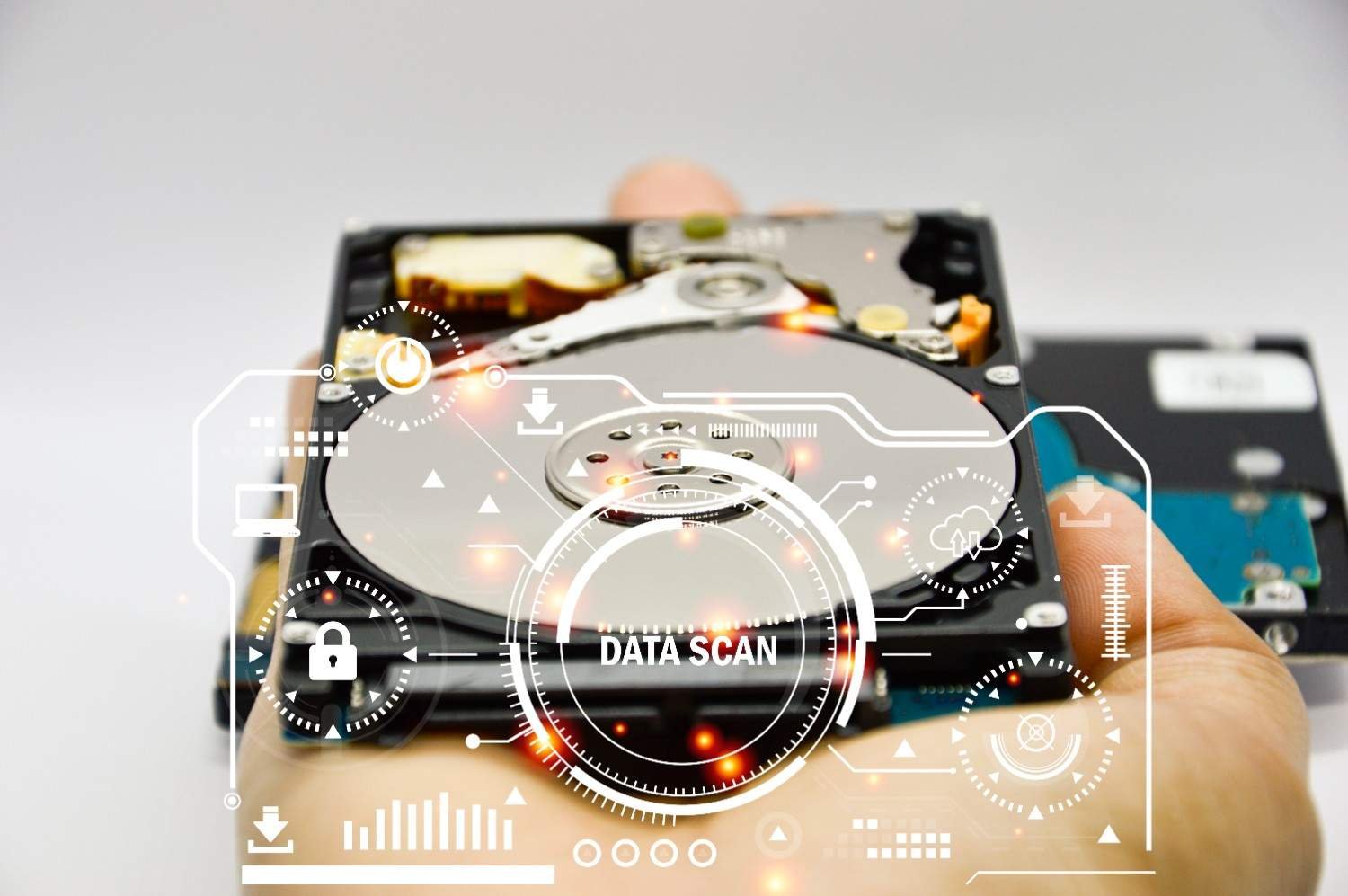
As the digital landscape evolves at an exponential rate, the significance of preserving historical data grows immensely. Organisations with substantial archives often find their valuable data stored on magnetic tape, a medium that was once the bedrock of data storage solutions.
However, the relentless pace of technological advancements has rendered these legacy systems less compatible with modern IT environments. This is where tape data migration plays a pivotal role in securing an organisation’s digital legacy.
In this context, tape migration is the process of transferring data from outdated storage formats to current systems that are more efficient and accessible, thereby protecting and revitalising important historical data.
Understanding the Necessity for Tape Data Migration
The concept of tape data migration is not merely a matter of convenience or modernization. With each passing year, the risk of data loss due to degenerating magnetic tapes increases. Furthermore, finding equipment and specialists capable of reading these outdated formats becomes more challenging and costly. Therefore, migrating data from these tapes ensures that vital information is not irretracably lost due to obsolescence or degradation.
The Process of Migrating Tape Data
The process of tape data migration involves a series of meticulous steps. The initial phase includes the careful handling and cataloging of the physical tapes. This is followed by extracting the data using compatible tape drives and conversion software, which must be well-suited to the legacy tape format.
Advanced software development plays a pivotal role here, enabling the creation of specialized applications that bridge the gap between old and new storage technologies. Once the data has been successfully read, it is then transferred to a modern storage solution such as the cloud, enterprise-grade disk drives, or solid-state storage systems.
Challenges Accompanying Tape Data Migration
While the benefits of migrating data from tape to newer technologies are clear, the process is often fraught with challenges. These can include difficulties in reading old or damaged tapes, incompatibility between legacy and modern systems, and the sheer scale of data that requires migration.
Also, migrating data often involves a good deal of planning to ensure that data integrity is maintained throughout the process and that regulatory compliance is met, particularly with sensitive or personal information.
Mitigating Risks in the Migration Process

Organisations must approach tape data migration with a strategy designed to mitigate potential risks. This typically involves selecting a service provider with a robust track record of successful migrations.
An essential part of the strategy includes a comprehensive audit trail, data encryption during transfer, and thorough testing post-migration to confirm that the data remains intact and fully operational within its new environment.
The Importance of Expertise in Tape Data Migration
Given these complexities, it becomes evident that tape data migration is not a DIY task for organisations. Rather, it is an intricate technical endeavour that requires a high level of expertise.
Companies such as Tape Ark are specialists in this field, offering services that include not only the migration itself but also long-term data management and preservation strategies. Such expertise ensures that organisations can rely on their historical data being accessible and usable well into the future.
Securing Your Legacy with Professional Tape Data Migration
Securing an organisation’s digital legacy through professional tape data migration services is not just about transferring data. It is about conserving the data’s intrinsic value,ensuring compliance with data protection regulations, and enhancing accessibility for analytics and future technology integrations.
By doing so, organisations not only protect their historical data but also unlock the potential to leverage this data as a competitive advantage.
Future-Proofing with Advanced Data Migration Techniques
Future-proofing an organisation’s data assets through advanced migration techniques is rapidly becoming a standard practice. As the business landscape becomes more data-driven, the ability to tap into historical data and analytics quickly can yield invaluable insights and drive innovation. This propels tape data migration from being a mere operational necessity to becoming a strategic business move.
Recognising the Value of Historical Data
Often, historical data contains insights into past business operations, customer behaviour, and market trends that remain relevant. Through effective tape data migration, this data can be revitalised and incorporated into modern data analysis tools to inform better decision-making processes and strategic planning.
The Role of Tape Data Migration in Compliance and Governance
Beyond the technical aspects, tape data migration also plays a crucial role in compliance and governance. As privacy laws and industry regulations evolve, organisations must ensure that their archival data adheres to current legal standards.
Migrating to new formats aids in enforcing contemporary encryption standards, access controls, and audit capabilities, which are vital for regulatory compliance.
The Cost-Benefit Analysis of Tape Data Migration
For many organisations, the decision to undertake tape data migration involves a cost-benefit analysis. Although the upfront investment can be significant, the long-term savings in storage costs, the avoidance of potential fines for non-compliance, and the benefits gained from data utilisation are compelling reasons to allocate resources to such projects.
Tape Data Migration as a Catalyst for Innovation

Considering the broader impacts of tape data migration, it can act as a catalyst for innovation within an organisation. By transitioning from outdated storage media to agile and scalable modern solutions, organisations can stimulate new ideas and methodologies, pivot more readily in response to market changes, and maintain a competitive edge.
Conclusion: Embracing the Digital Transformation
In conclusion, tape data migration is an essential component of digital transformation. It is a key factor in securing an organisation’s digital legacy and unlocking the potential within historical data.
As businesses continue to navigate the ever-changing digital terrain, the role of organisations like Tape Ark in assisting with these transitions becomes ever more critical.
Embracing the complexities and opportunities of tape data migration is not just about preserving the past; it’s about seeding the future with a rich tapestry of data that informs and propels organisations forward.