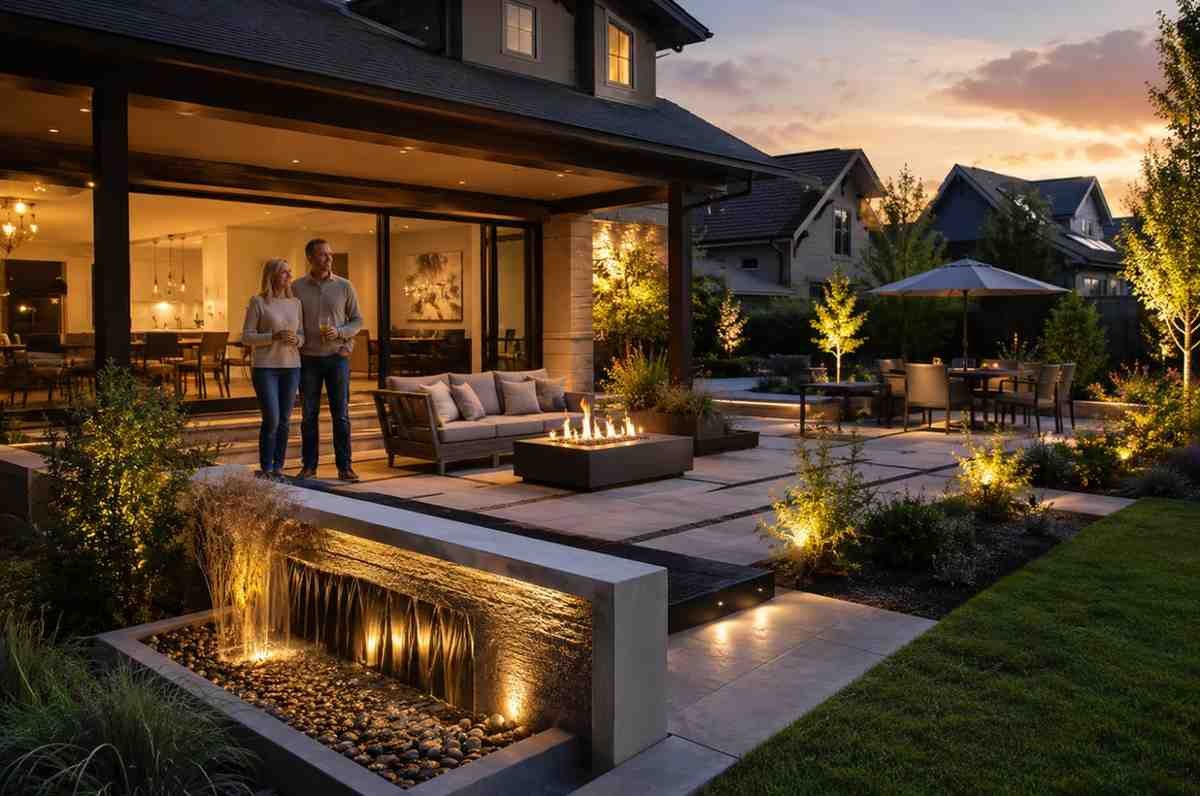
Your outdoor space is more than an extension of your home—it is an opportunity to increase property value, improve functionality, and create an inviting environment for everyday living. Thoughtful outdoor improvements can enhance curb appeal, expand usable living areas, and provide lasting benefits for years to come. By focusing on design, durability, and practical features, homeowners can create a landscape that not only looks attractive but also contributes to the long-term value of their property.
Strategic Landscape Design
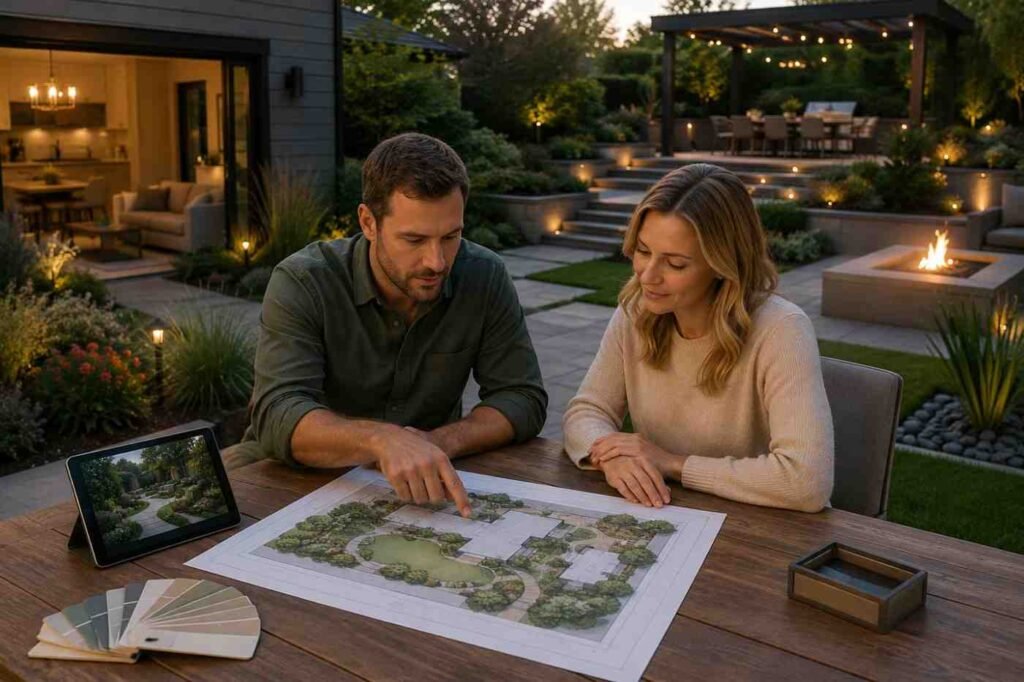
A well-planned landscape serves as the foundation of any valuable outdoor space. The layout should balance aesthetics with functionality, ensuring that every area has a clear purpose while maintaining a cohesive appearance. Careful planning allows homeowners to maximize available space and create an environment that feels both organized and welcoming.
Plant selection plays a significant role in long-term value. Choosing vegetation suited to the local climate can reduce maintenance requirements while promoting healthy growth. Trees, shrubs, and decorative plants add visual interest and can help create natural boundaries that improve privacy and comfort.
Walkways and defined pathways also contribute to a polished outdoor design. These elements guide movement throughout the property while enhancing accessibility. Durable materials and thoughtful placement ensure that pathways remain attractive and functional over time.
A strategic landscape design creates a strong first impression and establishes the framework for future outdoor improvements. When executed properly, it increases both enjoyment and overall property appeal. Avoiding common landscaping mistakes, such as overcrowding plants, neglecting drainage, or choosing species unsuited to local conditions, can help preserve both the appearance and long-term value of the landscape.
Expanding Functional Living Areas
Outdoor living spaces have become increasingly desirable because they provide additional room for relaxation, entertainment, and family activities. Creating functional areas outdoors can significantly increase the perceived value of a home while enhancing daily living experiences.
Patios and seating areas offer versatile spaces for gatherings and personal enjoyment. Comfortable layouts encourage homeowners and guests to spend more time outdoors while making the property feel larger and more accommodating. Incorporating shade structures can further improve usability throughout different seasons.
Outdoor dining spaces are another valuable addition. Whether designed for casual meals or larger gatherings, these areas create opportunities to enjoy fresh air while extending the functionality of the home beyond its interior walls.
Flexible design is essential when creating outdoor living areas. Spaces that can serve multiple purposes appeal to a wider range of future buyers and provide long-term practical value. The goal is to create areas that remain useful as needs evolve over time.
Water Features And Recreational Enhancements
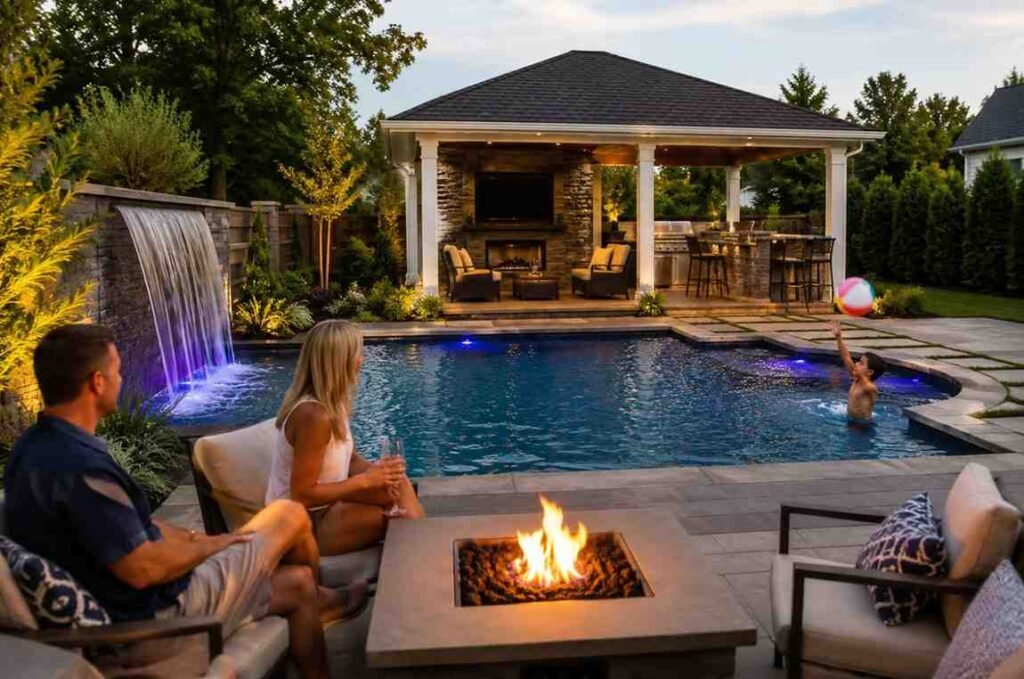
Water features can add both visual appeal and functional value to an outdoor environment. Features such as decorative fountains, ponds, and swimming areas create focal points that elevate the overall atmosphere of a property.
Swimming pools, in particular, can become a major attraction when designed to complement the surrounding landscape. They provide opportunities for recreation, relaxation, and entertainment while contributing to the property’s overall appeal. Homeowners considering this type of enhancement should work with experienced professionals to ensure quality construction and long-term durability.
For example, partnering with a pool builder in Park City can help homeowners develop a design that aligns with both their property’s layout and their long-term goals. Proper planning ensures that the feature integrates seamlessly with the rest of the outdoor environment.
Recreational additions should be selected carefully to maintain balance within the landscape. When thoughtfully incorporated, these features can create a more engaging and desirable outdoor space while supporting long-term property value.
Durable Materials And Low-Maintenance Features
The materials used throughout an outdoor space have a direct impact on longevity and maintenance requirements. Investing in durable materials helps preserve appearance and functionality while reducing future repair costs.
Hardscape elements such as patios, retaining walls, and pathways should be constructed using materials capable of withstanding weather conditions and regular use. Durable surfaces maintain their visual appeal longer and contribute to the overall quality of the property.
Low-maintenance landscaping is equally important. Selecting plants that require minimal watering, pruning, and upkeep allows homeowners to enjoy their outdoor space without significant ongoing effort. This practical approach can also appeal to future buyers seeking convenience.
Efficient irrigation systems further support long-term sustainability by helping maintain healthy landscaping while minimizing water waste. Combining durable construction with practical maintenance strategies creates an outdoor environment that remains attractive and functional for years.
Enhancing Privacy And Comfort
Privacy is a valuable feature in any outdoor setting. Creating secluded areas allows homeowners to relax comfortably while increasing the usability of the space. Thoughtful privacy solutions can make outdoor areas feel more intimate and inviting.
Natural barriers such as hedges, trees, and layered plantings provide privacy while contributing to the overall landscape design. These elements soften the appearance of property boundaries and create a more peaceful atmosphere.
Strategically placed structures can also improve comfort and privacy. Pergolas, screens, and covered seating areas help define outdoor rooms while offering protection from weather conditions. These features enhance functionality and encourage more frequent use of outdoor spaces.
Lighting is another important consideration. Well-designed outdoor lighting improves visibility, highlights landscape features, and creates a welcoming atmosphere during evening hours. A comfortable and secure environment increases the overall appeal of the property and enhances long-term value.
Sustainable Outdoor Improvements
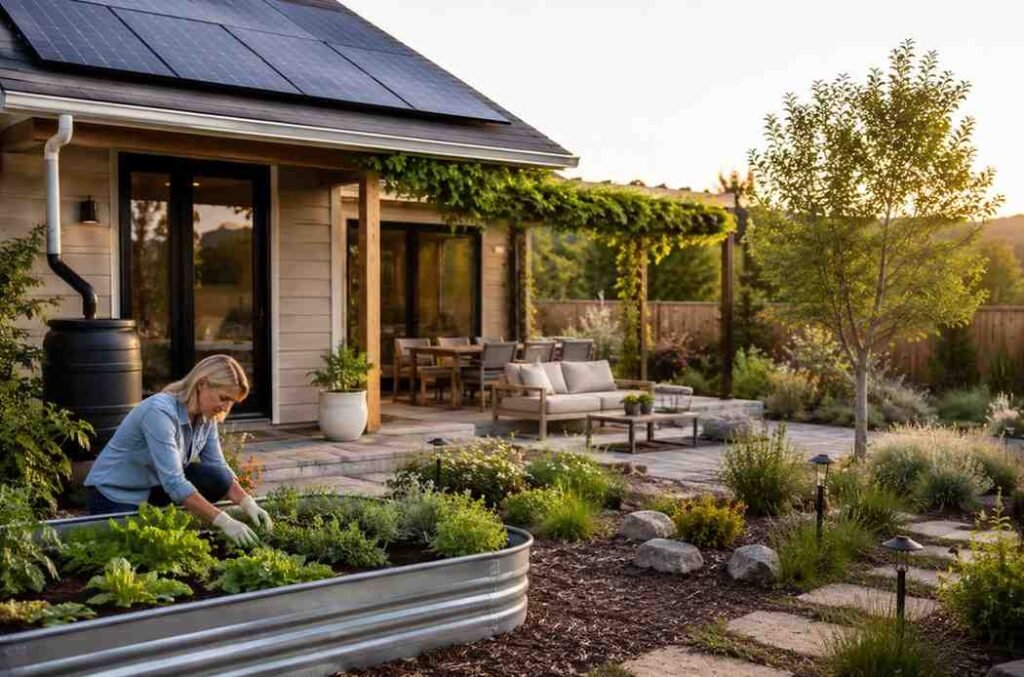
Sustainability has become an increasingly important factor in home improvement projects. Environmentally conscious outdoor upgrades can reduce operating costs while appealing to buyers who value efficiency and responsible resource management.
Native plants are often an excellent choice because they adapt well to local conditions and require fewer resources to thrive. Their resilience reduces maintenance demands while supporting a healthy outdoor ecosystem.
Water-efficient landscaping techniques can further enhance sustainability. Proper drainage systems, efficient irrigation, and thoughtful plant placement help conserve resources while maintaining an attractive appearance.
Energy-conscious outdoor lighting solutions also contribute to sustainability goals. By selecting efficient lighting options and placing them strategically, homeowners can improve safety and ambiance without excessive energy consumption.
Sustainable improvements offer practical benefits that extend beyond environmental considerations. They contribute to lower maintenance costs and help create an outdoor space designed for long-term success.
Conclusion
Creating an outdoor space that adds long-term value to your home requires a thoughtful combination of beauty, functionality, and durability. Strategic landscaping, versatile living areas, recreational features, and sustainable improvements all work together to enhance both daily enjoyment and property appeal. By focusing on quality design and practical solutions, homeowners can develop an outdoor environment that remains attractive and useful for years to come.