
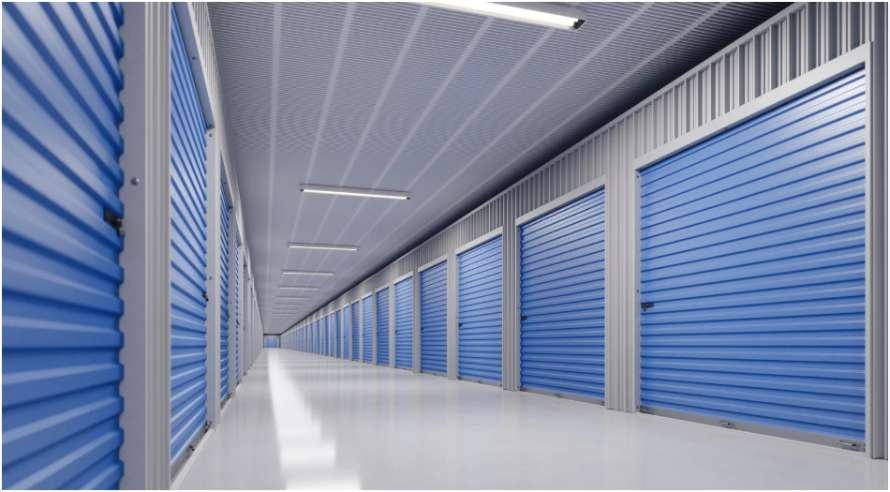
The self-storage industry has experienced remarkable, steady growth over recent years. Driven by shifting lifestyles, urban density, downsizing families, and businesses requiring overflow space, the demand for reliable storage solutions remains consistently high and highly profitable.
However, launching a truly successful facility requires much more than just acquiring a plot of land and setting up basic units. It demands strategic planning, smart financial management, and robust operational tactics. If you are looking to enter this lucrative market, here are the top tips to guide your venture from concept to execution.
1. Conduct In-Depth Market Research
Before committing any capital, you must thoroughly evaluate local market conditions to determine whether to start self storage or to start a cold storage facility. A successful self-storage business hinges on understanding immediate local demand, as most customers prefer facilities close to home or work.
During your market analysis, aim to identify:
- Target Demographics: Are you primarily serving college students, expanding suburban families, or local commercial businesses?
- Competitor Landscape: How many existing facilities operate within a three- to five-mile radius? What are their occupancy rates, strengths, and weaknesses?
- Pricing and Feature Trends: What are the current standard rental rates, and which specific features—like climate control—command a premium?
For instance, high-density urban areas often exhibit strong demand for smaller, climate-controlled spaces, whereas suburban zones may lean toward larger units capable of housing vehicles, boats, and large household items.
2. Prioritize Location and Accessibility

In the self-storage industry, convenience is a primary driver of customer decision-making. Your chosen location can ultimately make or break your business. Ideally, your site should feature high visibility from major roads or highways, making it easy for prospective tenants to notice and access the property.
Beyond visibility, ensure the location is situated within a safe, low-crime neighborhood to reinforce the sense of security your clients will expect. Finally, investigate local zoning laws and land-use restrictions early in the process. Ensuring your property is correctly zoned for a commercial storage facility will prevent costly legal delays later on.
3. Choose Durable, High-Quality Construction
The layout and structural integrity of your facility directly impact its long-term functionality, maintenance costs, and customer satisfaction. Modern facilities must offer a diverse mix of unit sizes, ranging from small lockers to expansive vehicle enclosures.
When designing your site, building with high-grade materials is paramount for security and weather resistance. If you are planning a facility in the Southeast, investing in a custom metal building in Huntsville provides an incredibly durable, cost-effective, and scalable solution tailored specifically to self-storage needs.
Partnering with experienced contractors ensures your buildings feature wide driveways for easy vehicle maneuvering, optimized space utilization, and proper insulation for climate-controlled zones.
4. Implement Robust Security Measures

Security is one of the single greatest concerns for self-storage consumers. If tenants do not trust that their property is safe, they will quickly take their business to a competitor. Building peace of mind requires a multi-layered security strategy.
Essential security investments include:
- Continuous, high-definition 24/7 video surveillance covering all access points.
- Secure perimeter fencing combined with electronic, keypad-controlled access gates.
- Bright, energy-efficient LED lighting across all walkways, corridors, and parking areas.
- Individual unit alarms or modern smart-lock systems that track user entry.
5. Build an Online Presence and Focus on Service
Today’s consumers begin their search for storage solutions online. To capture this audience, you need a professional, mobile-responsive website. Your platform should clearly display location maps, transparent pricing, real-time unit availability, and seamless online reservation and payment portals. Complement your website with local search engine optimization (SEO) and targeted digital advertising to reach nearby residents who are actively searching for space.
Once the customers arrive, outstanding service will keep them long-term. Train your staff to provide responsive support, clear communication, and smooth problem resolution. Satisfied clients translate directly into positive online reviews, word-of-mouth referrals, and consistent, recurring revenue.