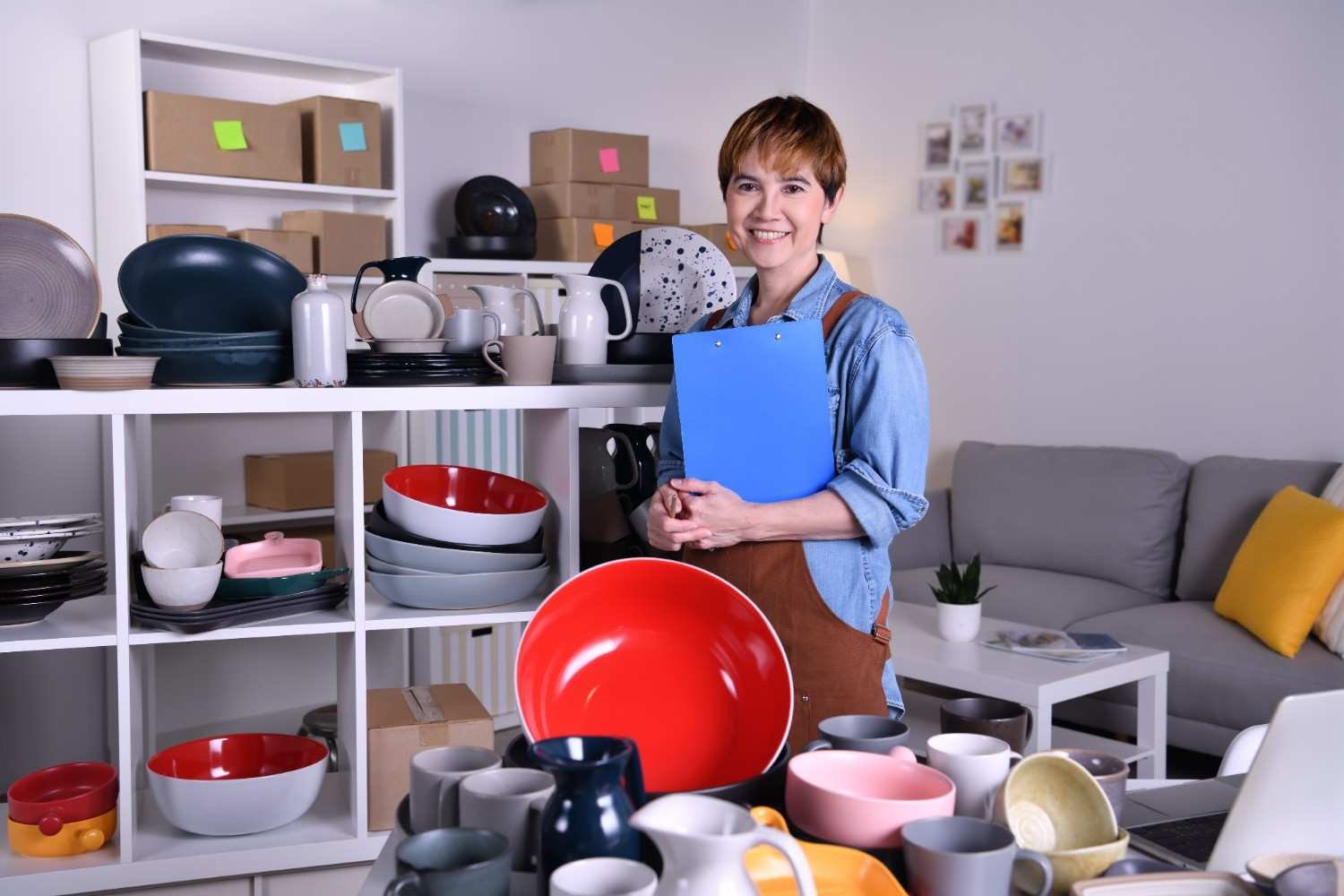
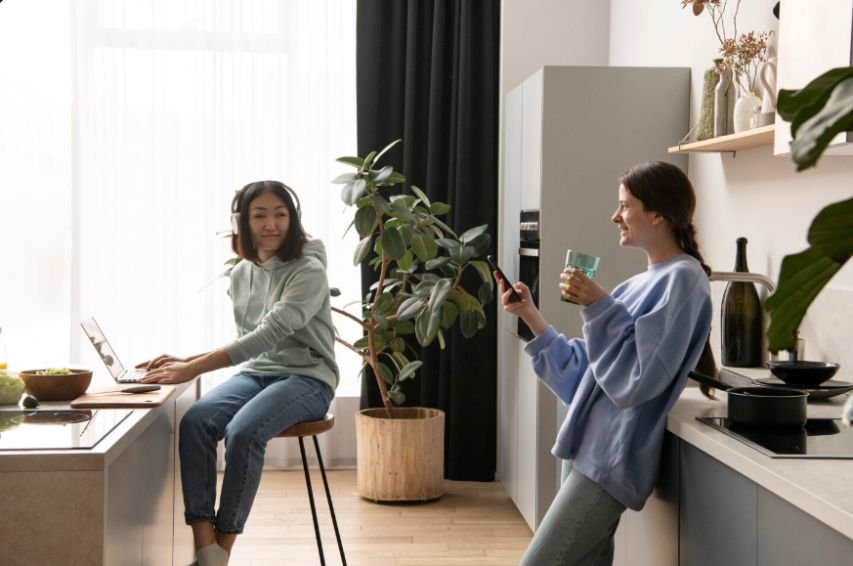
The minimalist philosophy is frequently misunderstood as a lifestyle centered entirely on lack, restriction, or living in empty, stark spaces.
In practice, modern minimalism focuses less on owning nothing and much more on owning things intentionally. It is a deliberate curation of one’s physical environment, filtering out superficial noise to make space for items that offer genuine, uncompromised utility.
When a minimalist evaluates their daily essentials—the objects used every morning, carried in pockets, or relied upon for personal wellness—the selection process is highly analytical.
Because each item must justify the physical and cognitive space it occupies, it must meet exceptionally high standards of design and durability. Minimalists look past flashing marketing trends, prioritizing core attributes that ensure an object serves a purpose perfectly without introducing unnecessary clutter.
1. Intentional Multi-Functionality
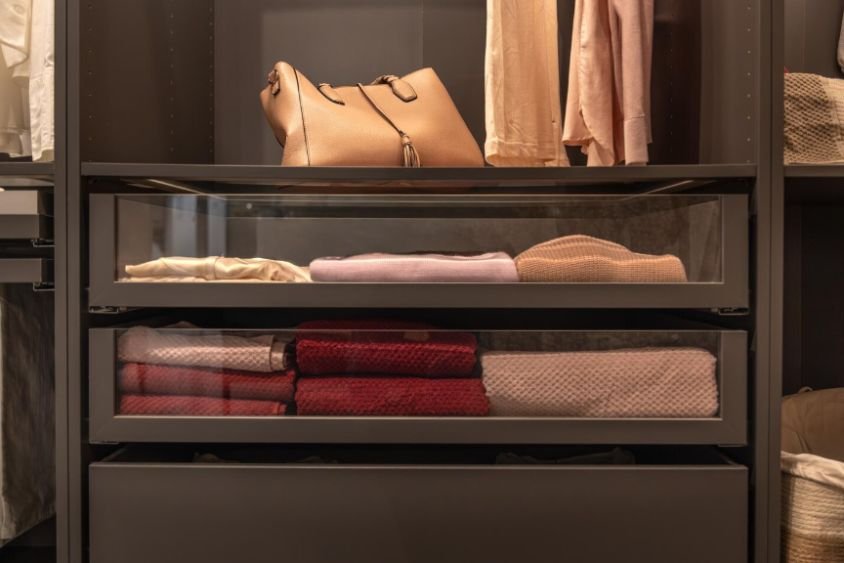
At the heart of the minimalist evaluation process is the concept of versatility. If a single object can successfully perform the duties of three separate items, it immediately earns its place in a daily routine. This eliminates the chaotic accumulation of single-use gadgets that clog drawers and counter space.
Consider the classic example of a modular capsule wardrobe or a high-quality pocket multi-tool. The exact same standard applies to digital devices and travel gear.
A minimalist looks for a wallet that also functions as a phone stand, or an outer jacket designed to adapt seamlessly across changing climates and formal settings. Multi-functionality reduces the sheer volume of possessions required to navigate daily life, streamlining routines and lightening cognitive loads.
2. Longevity and Material Integrity
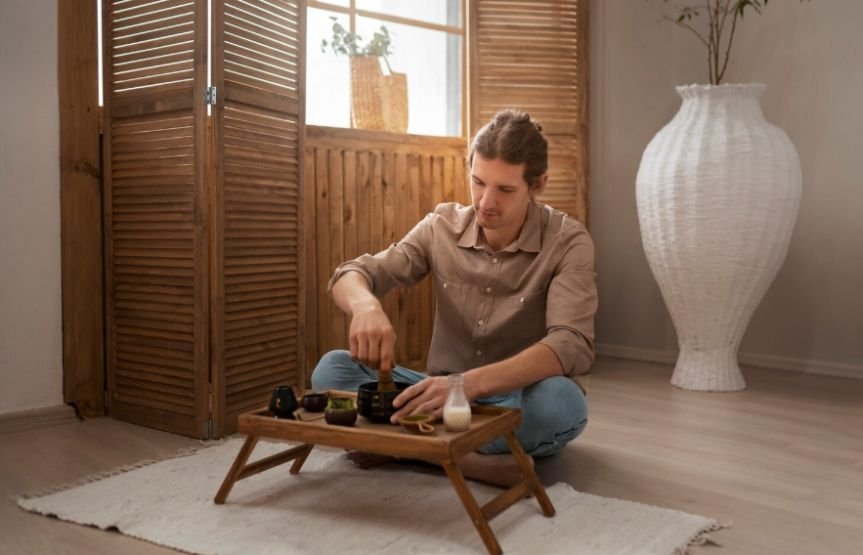
Minimalists firmly reject the modern culture of disposable consumer goods and planned obsolescence. Instead of buying inexpensive, poorly made items that require frequent replacement, they adhere to the principle of “buy less, buy better.”
When assessing a daily essential, a minimalist examines the raw materials and build quality. They seek out rugged, age-resistant components like full-grain leather, solid brass, aircraft-grade aluminum, or dense, sustainable woods.
These materials do not degrade rapidly with repeated use; instead, they develop a unique patina over time, growing more character-rich with age. Investing in durable, high-integrity products minimizes waste, saves long-term capital, and ensures that a user’s daily gear remains utterly dependable for years to come.
3. Streamlined, Subtractive Aesthetics
The visual appearance of a daily essential matters just as much as its mechanical function. Minimalist design is rooted in the principle of subtraction—removing excess ornamentation, loud branding, and unnecessary buttons until only the essential form remains.
Loud logos, neon colors, and intricate decorative patterns create visual noise that disrupts the tranquility of a curated space. Minimalists seek out clean lines, neutral or earth-toned color palettes, and matte textures that blend harmoniously into any environment.
This same design mindset applies to larger home choices too, like choosing the right cabinets for your kitchen to reduce visual clutter and create a more organized daily routine.
A beautifully designed essential does not shout for attention; it performs its duties quietly and elegantly, bringing a sense of order and calm to the user’s daily life.
4. Uncompromising Performance in Personal Wellness

The minimalist mindset extends far beyond physical objects like key organizers and backpacks; it fundamentally shapes how individuals approach their health, hygiene, and wellness routines.
In the personal care space, minimalism translates to a preference for clean, highly effective formulations with zero filler ingredients.
Instead of filling a bathroom cabinet with dozens of specialized, synthetically heavily scented products, a minimalist looks for streamlined essentials that protect health safely and efficiently.
For instance, when curating an oral hygiene regimen, a conscious individual looks past artificial dyes and alcohol-laden rinses in favor of advanced, science-backed solutions.
Integrating a premium nanosilver mouthwash into a morning routine fulfills this exact standard. By utilizing microscopic silver particles to neutralize harmful oral bacteria and stabilize pH levels naturally, such a product delivers exceptional health benefits without the need for harsh chemicals, burning agents, or a counter full of redundant dental treatments.
5. Portability and Freedom of Movement
An essential item should never feel like a physical burden to carry. Modern minimalists value their mobility, preferring items engineered specifically for lightweight transport and ease of movement.
Whether designing an everyday carry (EDC) setup or packing a bag for a cross-country flight, the size and weight of each object are strictly scrutinized.
At home, the same minimalist logic applies to wall storage, peg boards offer a stylish solution for clutter-free living by keeping daily essentials visible, organized, and easy to reach. Heavy, bulky items restrict freedom and add physical strain to travel
Heavy, bulky items restrict freedom and add physical strain to travel. Minimalists favor items that feature slim profiles, collapsible frames, or micro-engineered components.
Ensuring that daily tools fit comfortably into pockets or small compartments allows a person to navigate the world unencumbered, focusing entirely on their experiences rather than managing their luggage.
Conclusion
What minimalists look for in their daily essentials ultimately comes down to a deep respect for quality, utility, and space.
By prioritizing multi-functional design, premium material longevity, clean aesthetics, and effortless portability, they ensure that every object owned serves a direct, meaningful purpose.
This intentional approach to curation removes the friction of excess, transforming daily routines from a chaotic struggle with clutter into a streamlined, peaceful experience.
Choosing quality over quantity protects mental clarity, honors craftsmanship, and allows individuals to move through life focused entirely on what matters most.