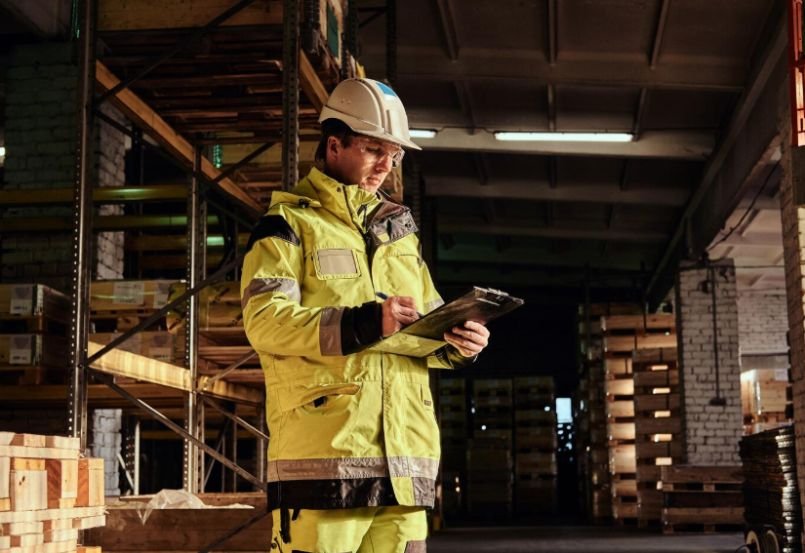
Ensuring workplace safety is a fundamental responsibility for every business. Protecting employees from potential hazards requires more than just policies; it necessitates the provision of reliable safety equipment. The selection of dependable safety equipment suppliers is essential to guarantee that the protective gear meets regulatory standards and effectively reduces risks.
The Importance of Quality Safety Equipment
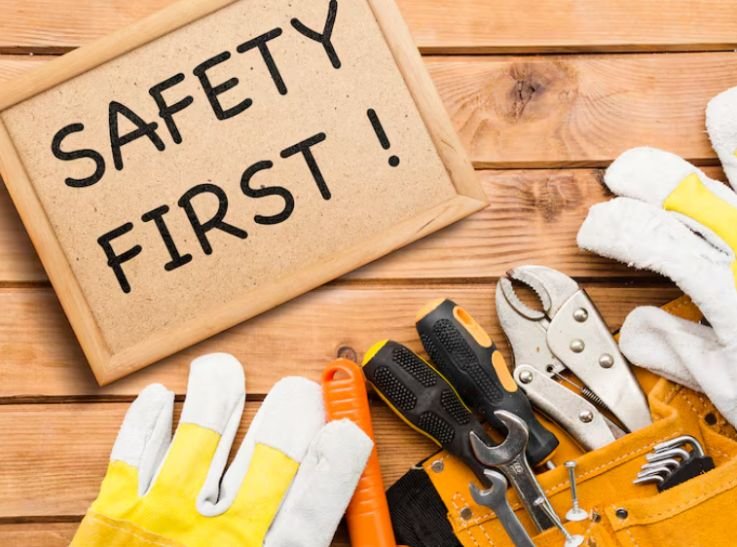
Quality safety equipment acts as the first line of defence against injuries and accidents in the workplace. Faulty or substandard equipment can lead to a false sense of security and increase the likelihood of harm. Therefore, businesses must prioritise sourcing equipment from reputable suppliers who offer certified and thoroughly tested products.
Compliance with Safety Standards
Workplace safety is governed by stringent regulations and standards, often varying by industry and region. Reliable suppliers ensure that their products comply with these requirements, such as the Personal Protective Equipment (PPE) Regulation or the relevant British Standards. Compliance not only helps avoid legal penalties but also protects the business’s reputation.
Wide Range of Safety Equipment Options
Workplace hazards can differ significantly depending on the environment and tasks performed. Consequently, a trustworthy supplier provides a comprehensive selection of safety equipment, including helmets, gloves, eye protection, hearing protection, respiratory gear, and high-visibility clothing. The availability of diverse options enables organisations to choose the most suitable gear for their specific risks.
Evaluating Safety Equipment Suppliers
Choosing the right safety equipment suppliers involves an evaluation of various factors. These include the supplier’s industry experience, product range, certification standards, distribution capability, and customer service quality. Additionally, businesses should assess the supplier’s responsiveness and after-sales support to ensure ongoing assistance.
Industry Experience and Reputation
Suppliers with a longstanding presence in the safety equipment sector typically possess a deeper understanding of workplace safety requirements. A positive reputation, reflected through customer testimonials and industry recognition, can signify reliability and professionalism.
Product Certification and Quality Assurance
It is crucial to verify if suppliers provide products with valid certifications from recognised bodies. This confirmation ensures that the safety equipment adheres to performance and durability benchmarks, thereby offering effective protection. Regular quality audits and product testing are indicators of a supplier’s commitment to excellence.
Range of Products and Customisation
Businesses often require safety equipment tailored to specific applications or industries. Suppliers capable of offering customised solutions, alongside standard items, present significant advantages. These suppliers also tend to keep abreast of technological advancements, integrating innovations into their product range.
Availability and Delivery Efficiency
Timely procurement of safety equipment is critical in maintaining uninterrupted protection at the workplace.
This is particularly important when following tips for opening a successful self-storage facility, where employees may handle heavy items, operate machinery, and work in areas with specific safety risks.
Reliable suppliers maintain adequate stock levels and efficient logistics to ensure prompt delivery. This reliability minimizes downtime and supports continuous safety compliance.
Partnering with Safety Equipment Suppliers
Engaging with established safety equipment suppliers can significantly streamline a company’s safety management processes. These suppliers often provide expert advice on selecting the appropriate gear, facilitating better risk assessment and hazard mitigation strategies.
Cost Considerations and Budget Management
While cost is a critical factor in procurement decisions, it should not supersede safety and quality. Investing in high-quality safety equipment from reliable suppliers offers long-term benefits, reducing workplace injuries, downtime, and associated costs. Suppliers that offer competitive pricing without compromising standards provide the best value.
Training and Support Services
Some suppliers extend their services to include training programmes for proper equipment usage and maintenance. This added support enhances the protective effectiveness of safety gear and promotes a safer workplace culture. Collaborating with suppliers offering such value-added services can bolster an organisation’s overall safety framework.
Environmental and Sustainability Factors
Modern safety equipment suppliers increasingly adopt sustainable practices by sourcing eco-friendly materials and minimising waste.
Businesses researching how to start a cold storage facility must also consider protective clothing, insulated gloves, slip-resistant footwear, and other equipment suited to low-temperature environments.
Businesses aiming to promote environmental responsibility should consider suppliers with clear sustainability policies. This approach aligns workplace safety initiatives with broader corporate social responsibility goals.
The Role of Technology in Safety Equipment
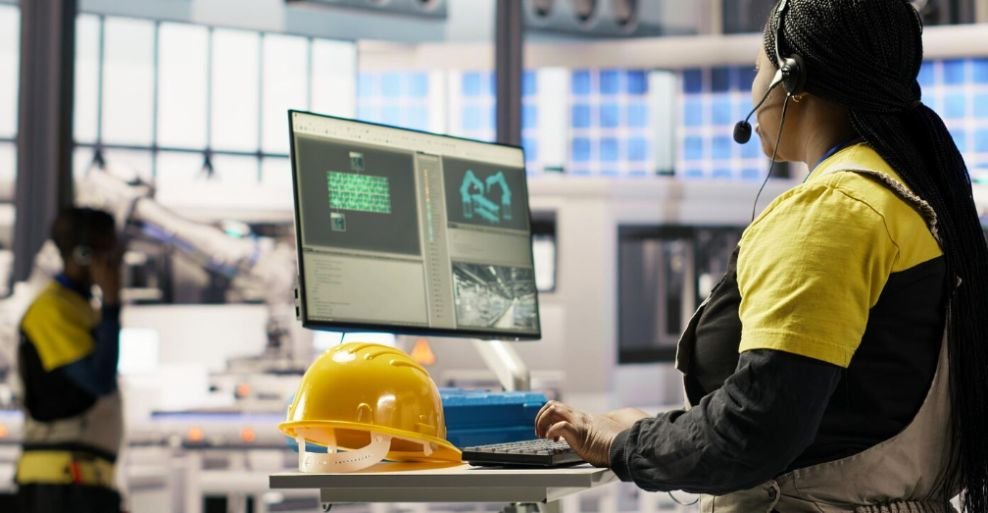
Advancements in materials science and technology have led to the development of smarter and more efficient safety equipment. Suppliers that incorporate these innovations—such as lightweight composites, improved ergonomics, and integrated sensors—offer enhanced protection and user comfort. Staying updated with technological trends is a hallmark of reliable suppliers.
Monitoring and Reviewing Safety Equipment Suppliers
Ongoing evaluation of suppliers is vital to maintaining the quality and reliability of safety equipment. Regular reviews can identify issues such as changes in product quality, delivery delays, or customer service problems. Establishing clear communication channels with suppliers supports continuous improvement and swift resolution of concerns.
Case Study: Implementing Reliable Safety Equipment Solutions
Organisations that have partnered with reputed safety equipment suppliers report higher compliance rates and lower incident occurrences. For example, by systematically upgrading to certified protective gear and incorporating supplier training resources, businesses have enhanced their workplace safety measures effectively.
Conclusion
Selecting reliable safety equipment suppliers is a critical step in safeguarding the workforce and meeting legal obligations. By focusing on quality, compliance, product range, supplier reputation, and after-sales support, organisations can secure the necessary tools to mitigate workplace hazards. Trusted safety equipment suppliers play an indispensable role in achieving these objectives and fostering a culture of safety.