
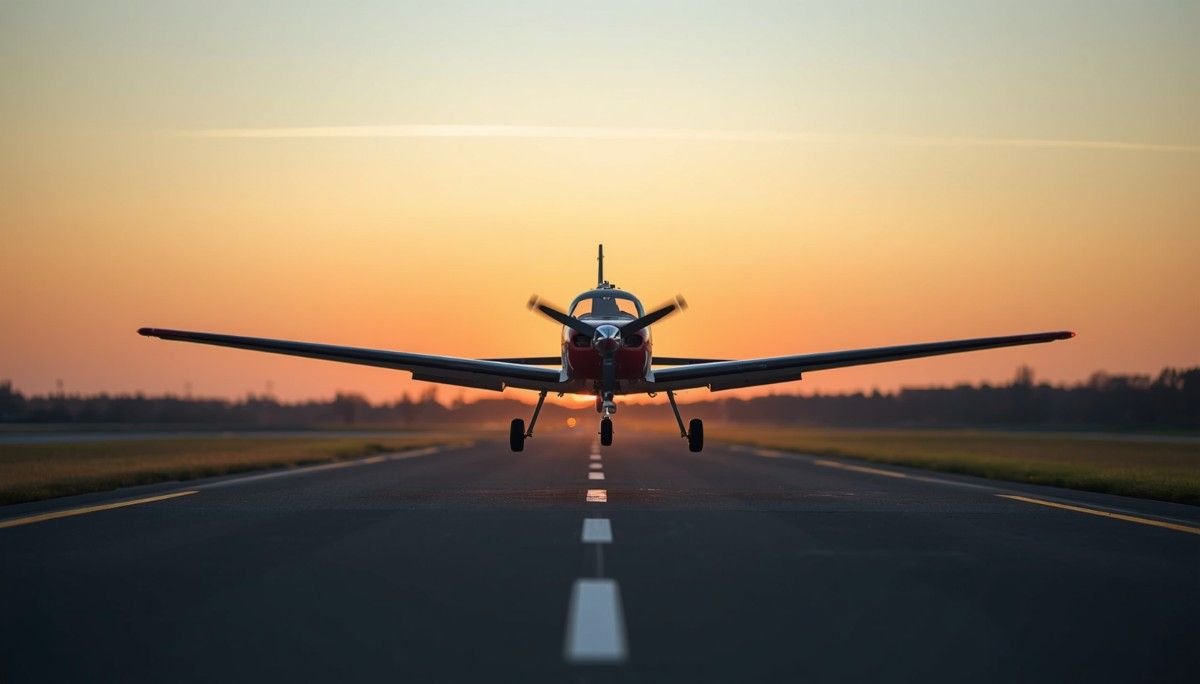
Flying is a pursuit that demands dedication, sharp focus, and a willingness to learn. Many individuals look at the sky and see a goal rather than just a view. The path from a novice to a licensed pilot is structured, challenging, and profoundly rewarding. It involves a systematic approach to mastering both the theoretical and practical aspects of aviation.
Ground School: Building the Knowledge Base
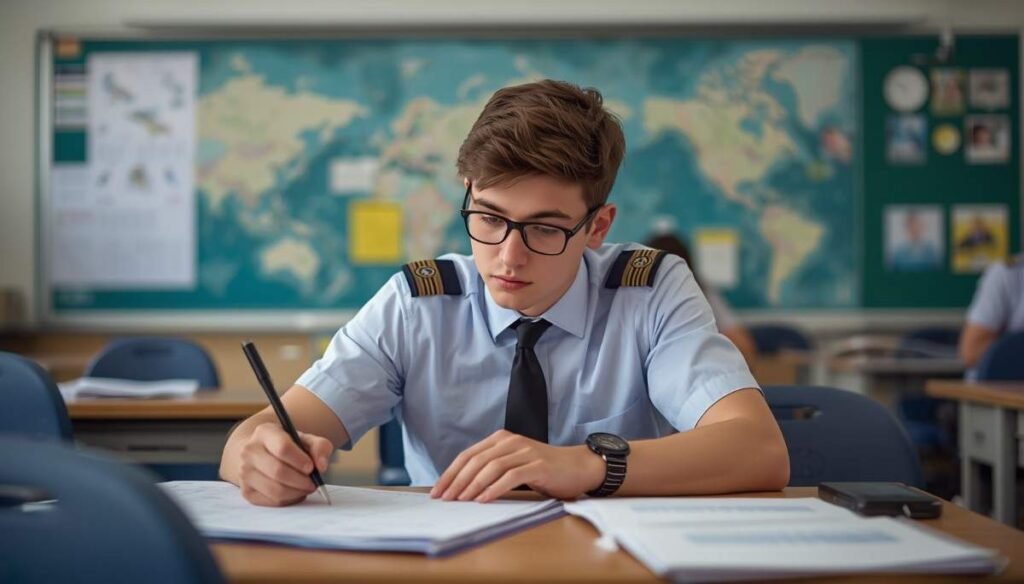
The process begins in the classroom. Ground school is where students acquire the necessary theoretical knowledge to understand the physics and regulations of aviation. You will study aerodynamics to grasp how aircraft generate lift and maintain stability. Meteorology is another critical subject, as understanding weather patterns is essential for safe operations.
Additionally, students spend hours learning navigation, airspace classifications, and federal regulations. This phase is not merely about memorization. It is about developing the decision-making skills that will later be used in the cockpit. Every rule and procedure serves as a layer of safety that protects you and your future passengers.
The Transition to Practical Training
Once the foundation is set, training shifts to the flight line. This is where you apply what you learned in the classroom to the physical act of flying. Initially, the focus is on basic maneuvers such as taxiing, takeoff, and landing. These tasks require precise coordination, build confidence in learners and situational awareness.
Your instructor will guide you through radio communications, helping you translate the complex language of air traffic control into clear, actionable exchanges. As you gain hours, the lessons become more complex. You will start to handle navigation, emergency procedures, and instrument operations.
Developing Consistency and Discipline
Aviation training is rarely a sprint. Progress depends on frequency. Those who fly inconsistently often struggle to build the muscle memory required for safe piloting. A training schedule that includes two or three sessions per week is generally recommended. This level of activity allows students to retain knowledge and physical skills from one flight to the next, reducing the need to repeat lessons.
Selecting Your Training Environment
The environment where you train influences the pace of your learning. Factors such as local weather patterns, traffic density, and the quality of the aircraft fleet are significant. Many students prioritize geographic locations that offer clear weather year round to minimize cancellations.
For example, opting for flight lessons in Dallas TX can provide access to varied airspace and consistent weather conditions that enhance the training experience. Finding a location that matches your schedule and learning goals is a crucial step in ensuring you reach certification without unnecessary delays.
The Final Assessment: The Check Ride
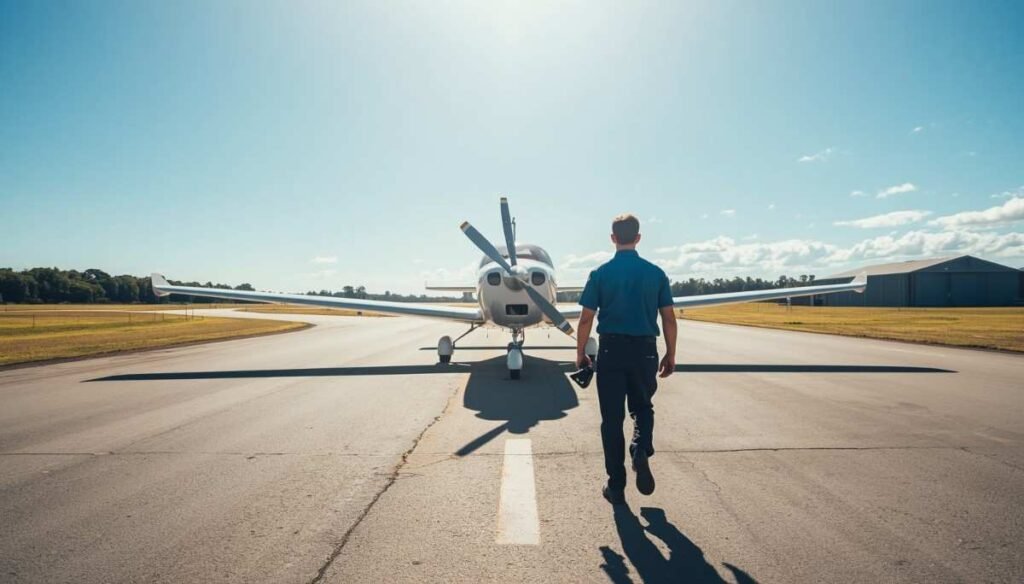
Every training program culminates in a practical test known as the check ride. This is an evaluation conducted by an examiner to verify that you possess the skills and knowledge required for a pilot license. You will be asked to perform various maneuvers and demonstrate proficiency in handling simulated emergencies.
It is a rigorous test, designed to ensure that you meet the standards necessary to operate an aircraft safely. While it is natural to feel pressure during this assessment, making smart decisions protect your future, with proper preparation makes the process manageable.
The Continuing Journey
Obtaining your pilot license is not the end of the journey but rather the beginning. Aviation is a field of constant learning. Technology evolves, regulations change, and aircraft systems improve. Professional pilots maintain their edge through ongoing training and practice. The discipline you cultivate during your initial training serves as the foundation for a lifetime of safe and enjoyable flying.
Whether you pursue this for a career or personal fulfillment, displaying detailed aircraft replicas, mastering the controls, and navigating the skies are accomplishments that stay with you forever.