Your home is likely your most significant investment, representing safety, comfort, and peace of mind. However, water damage remains one of the most common yet overlooked threats to homeowners, capable of compromising both the safety and value of a property.
Whether the cause is a leaking pipe, roof failure, or poor drainage, the consequences—ranging from mold growth to severe structural damage—can be both costly and stressful. Proactive prevention is the most effective strategy to maintain the strength and longevity of your building.
Identifying Vulnerable Areas
The first step in a proactive defense is identifying the areas of your home most at risk. Basements, attics, bathrooms, and kitchens are frequent culprits due to the presence of plumbing and the potential for condensation.
Homeowners who want to spot hidden risks early can also learn from neglected systems that can damage property, especially when small maintenance issues lead to leaks, moisture problems, or costly structural repairs.
Regular inspections for signs of leaks, such as water stains, warped flooring, or musty odors, can help you catch minor issues before they escalate into major repairs.
Beyond the interior, the building’s exterior serves as the primary shield against the elements. In regions like Utah, the exterior faces unique challenges, from intense summer sun to harsh winter freeze-thaw cycles that can wreak havoc on surfaces.
The First Line of Defense: Roof and Gutters
Your roof is your home’s first line of defense against water intrusion. Damaged shingles, cracks, or missing tiles can allow water to seep into the structure over time, causing significant damage. Regular inspections, particularly after major weather events, are essential for identifying vulnerabilities.
Equally critical are your gutters and downspouts. Clogged or broken gutters cause water to pool near your foundation, which can lead to basement flooding or structural weakening.
For homeowners in Salt Lake City, professional rain gutter repair ensures proper water flow and prevents costly damage.
Keeping these systems clean and functional is a simple but highly effective preventative measure.
Mastering Exterior Drainage and Landscaping
Effective maintenance begins with the ground around your home. Proper landscaping is a critical component of moisture control, as water should always flow away from the foundation.
You should ensure that the soil around your foundation is graded properly, sloping downward and away from the house. Improper drainage can lead to water pooling, soil erosion, and foundation instability.
In areas prone to heavy runoff or snowmelt, consider installing French drains or sump pumps to manage water effectively.
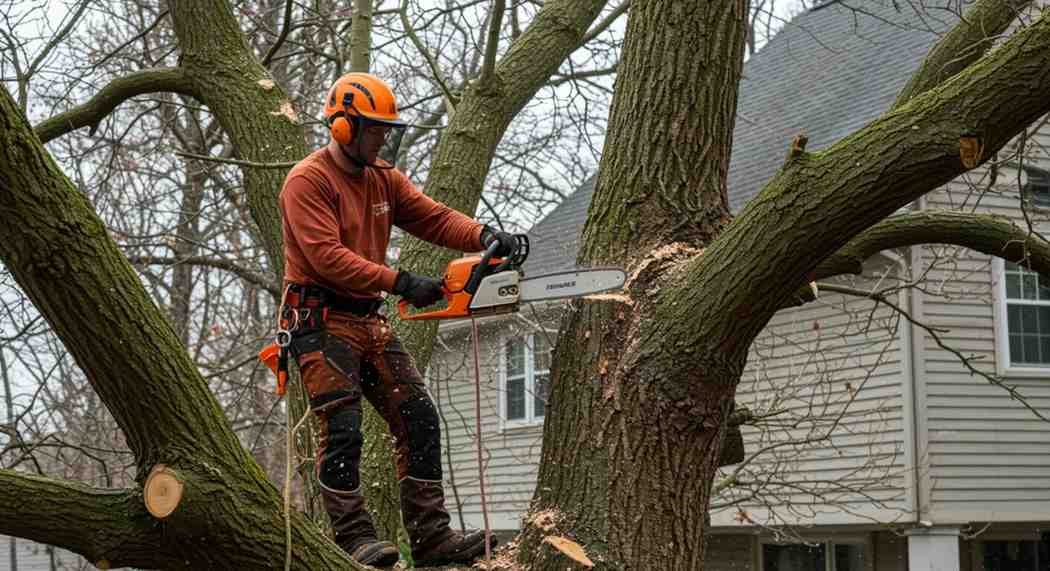
Furthermore, be mindful of vegetation; avoid planting large trees with aggressive roots near your foundation or driveway, as they can cause concrete to lift or interfere with plumbing and drainage systems.
Concrete Health and the Freeze-Thaw Cycle
Concrete surfaces, including driveways and walkways, are often overlooked but are highly susceptible to water damage. In challenging climates, the freeze-thaw cycle is particularly aggressive: water seeps into porous concrete, freezes, and expands, creating pressure that leads to fissures and cracks.
When concrete becomes unlevel or cracked, it transforms from a functional surface into a tripping hazard and a gateway for further water intrusion.
While sealing and resurfacing can extend the life of these surfaces, homeowners may occasionally need professional concrete restoration in Salt Lake City to address existing damage and prevent further infiltration.
Restoration techniques are often more cost-effective than full replacement and provide long-lasting results that withstand extreme temperature shifts.
Monitoring Plumbing, Appliances, and Humidity
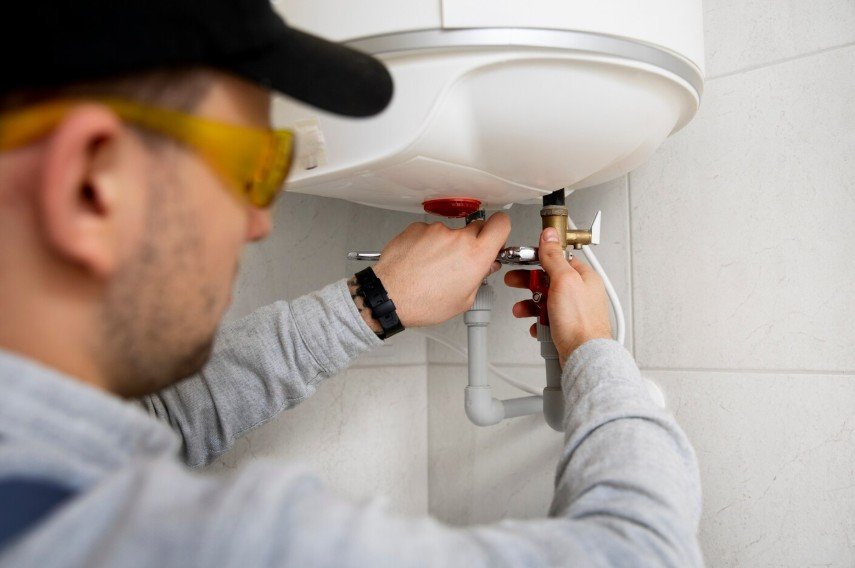
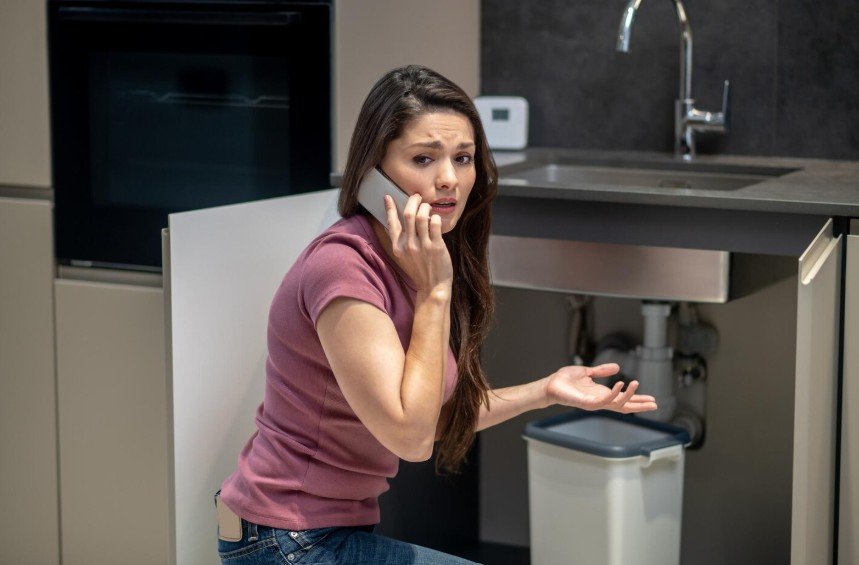
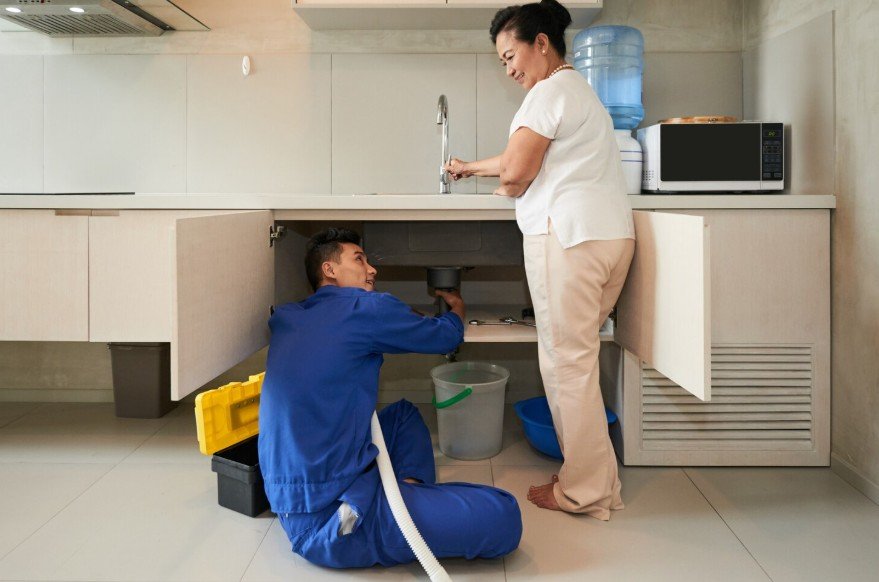
Inside the home, leaking pipes are a major source of damage. It is important to regularly check visible pipes under sinks, behind appliances, and around water heaters for signs of corrosion or leaks.
Small plumbing problems can quickly lead to leaks or overflow, so homeowners may also find practical guidance like how to unclog a sink before a simple blockage turns into water damage.
Appliances with water connections, such as washing machines and dishwashers, should be monitored to ensure hoses and seals are intact.
Additionally, excess humidity can lead to condensation and mold growth. Using dehumidifiers in damp areas like basements and ensuring proper ventilation in bathrooms and kitchens can help maintain optimal indoor humidity levels.
In Conclusion
Preventing water damage requires vigilance and a proactive approach. By focusing on proper drainage, managing vegetation, and conducting regular inspections, you can protect your property from the elements.
Investing in your home’s exterior and maintenance systems today is the best way to prevent the headaches and high costs of major repairs tomorrow.